
SARCO Architects has completed a home in Costa Rica built on steep jungle terrain. The design centres on transparency, so that the line between indoor and outdoor space becomes hard to see.
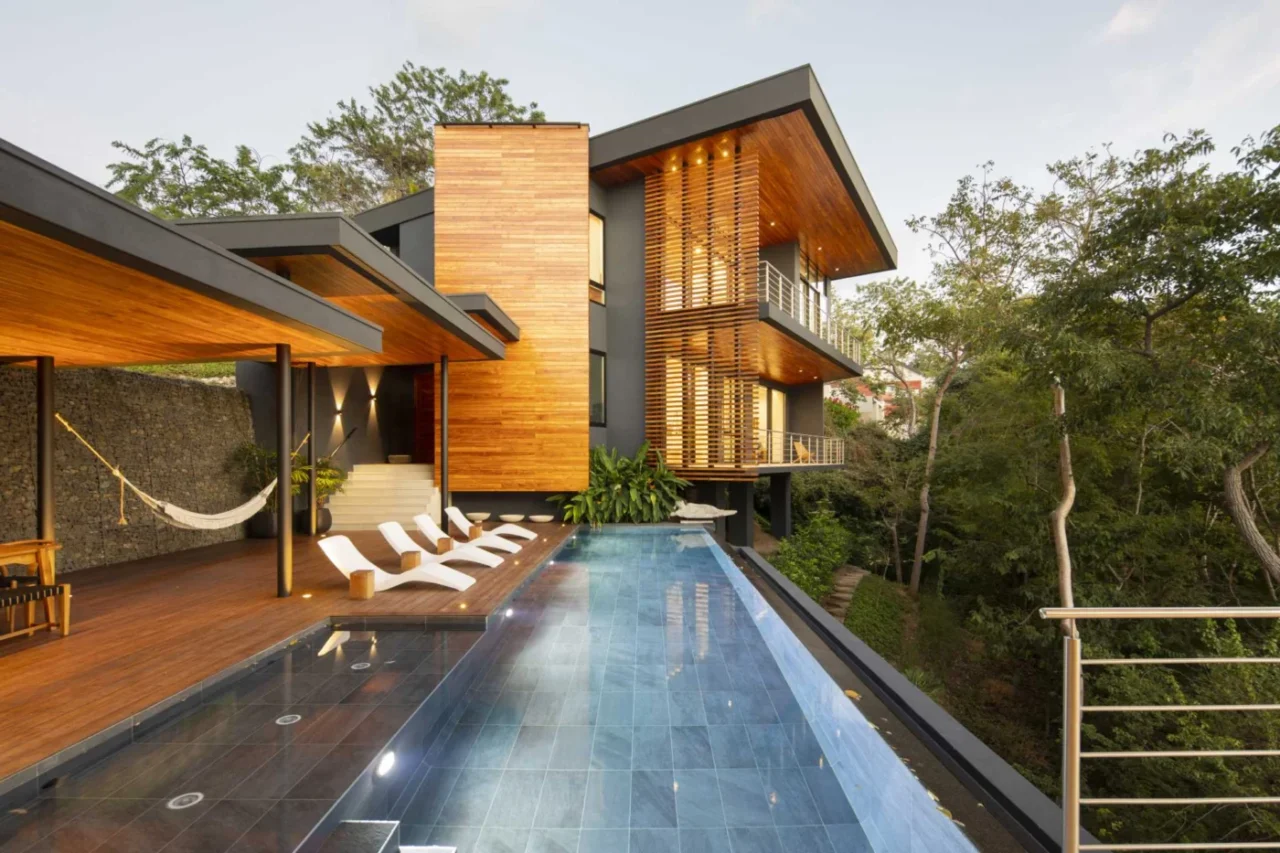
Modules that follow the slope
The steep site was the biggest design challenge. The answer was to split the house into several modules set at different levels, following the shape of the land and its changing elevations rather than levelling it.
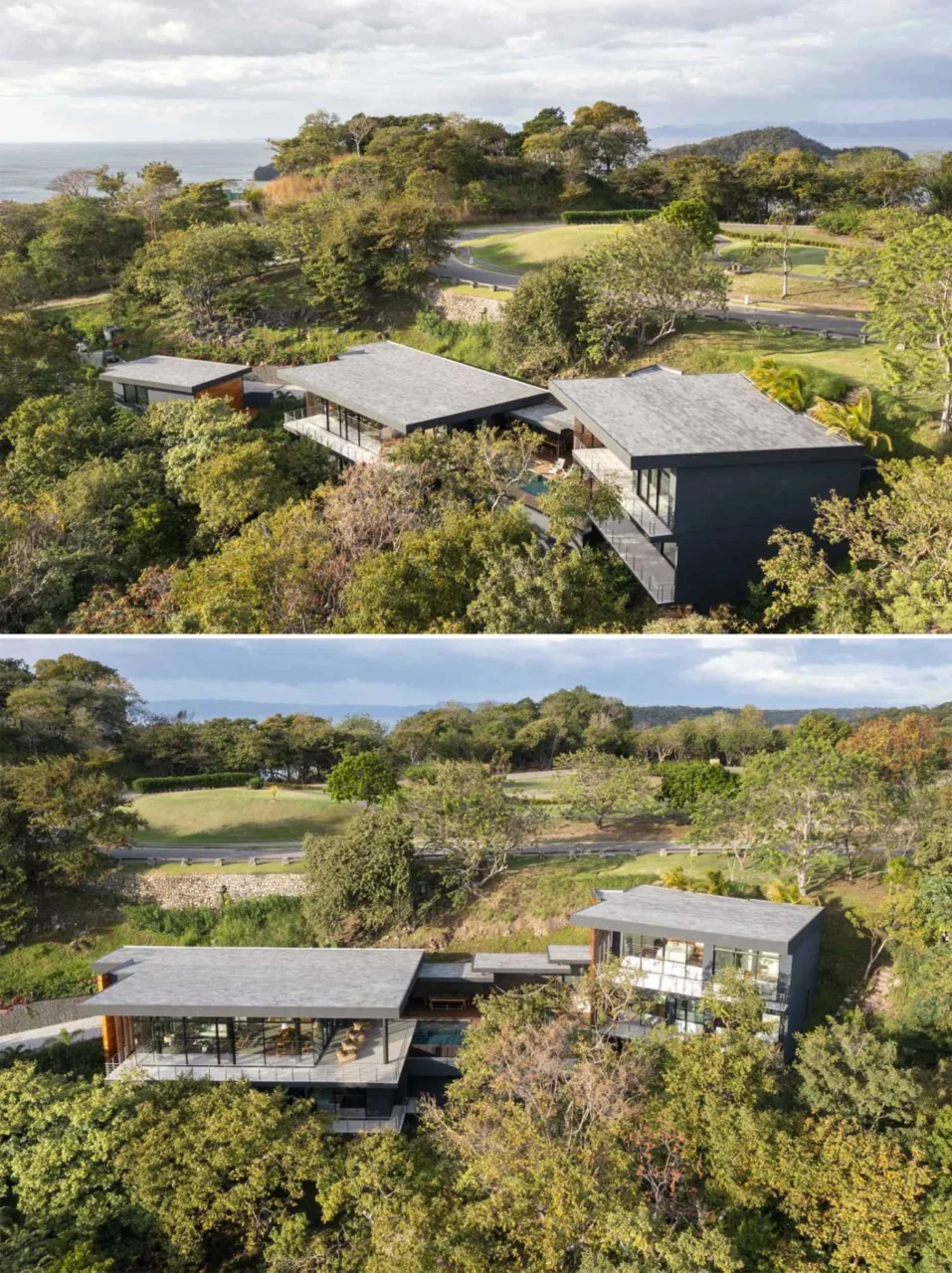
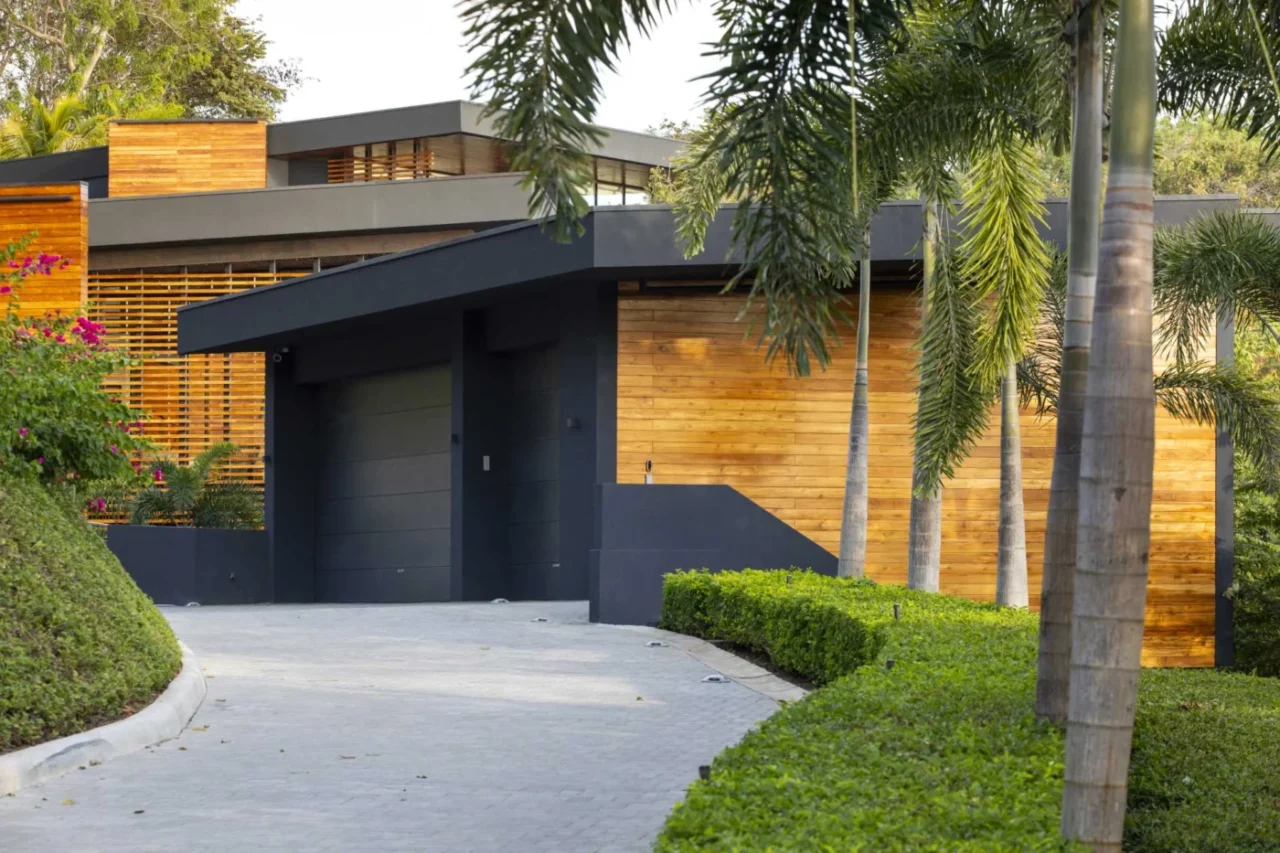
The main module works from the top down: the entrance and the main social areas are on the upper level, with sleeping areas below.
Pool and terraces as connectors
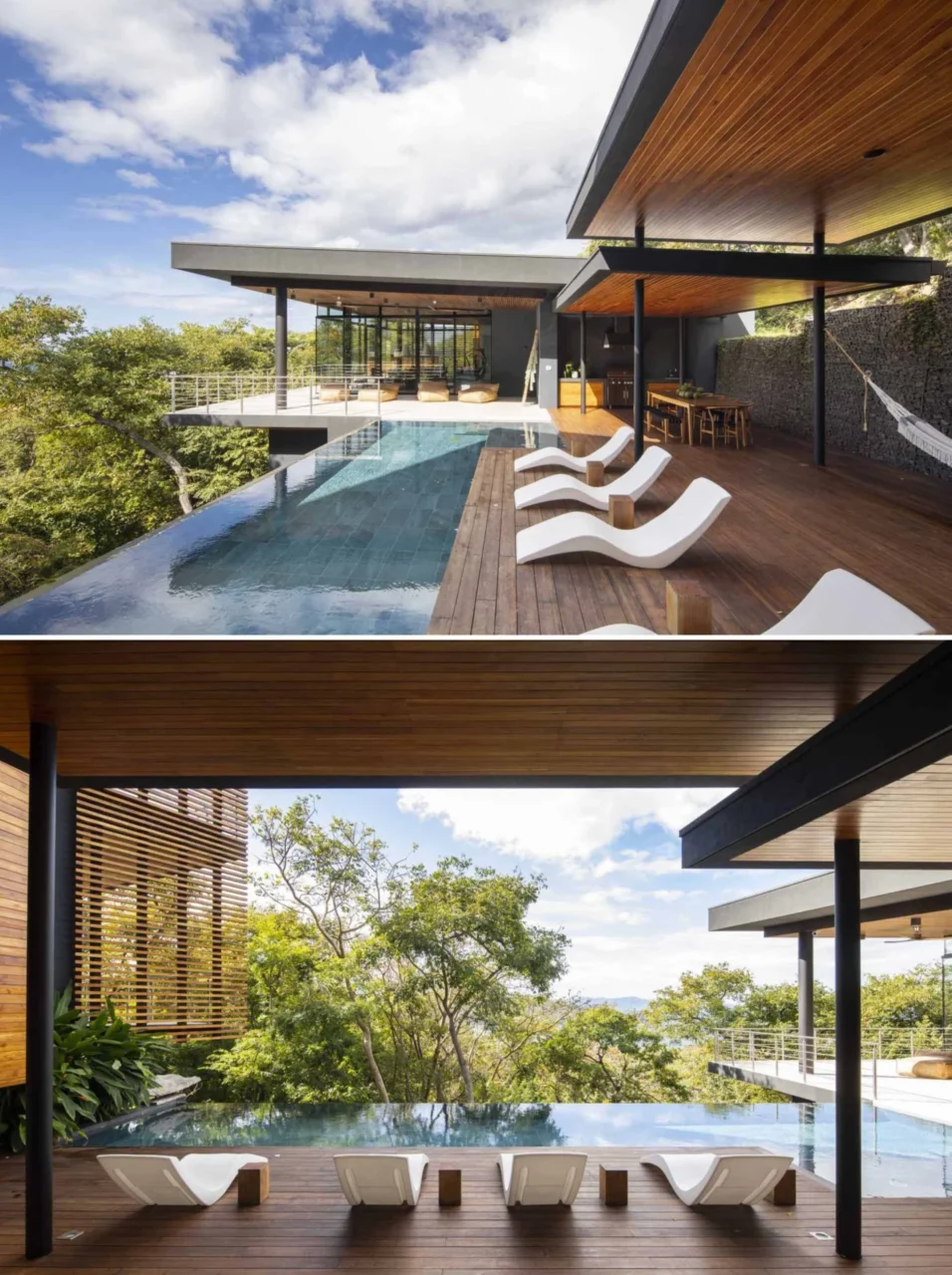
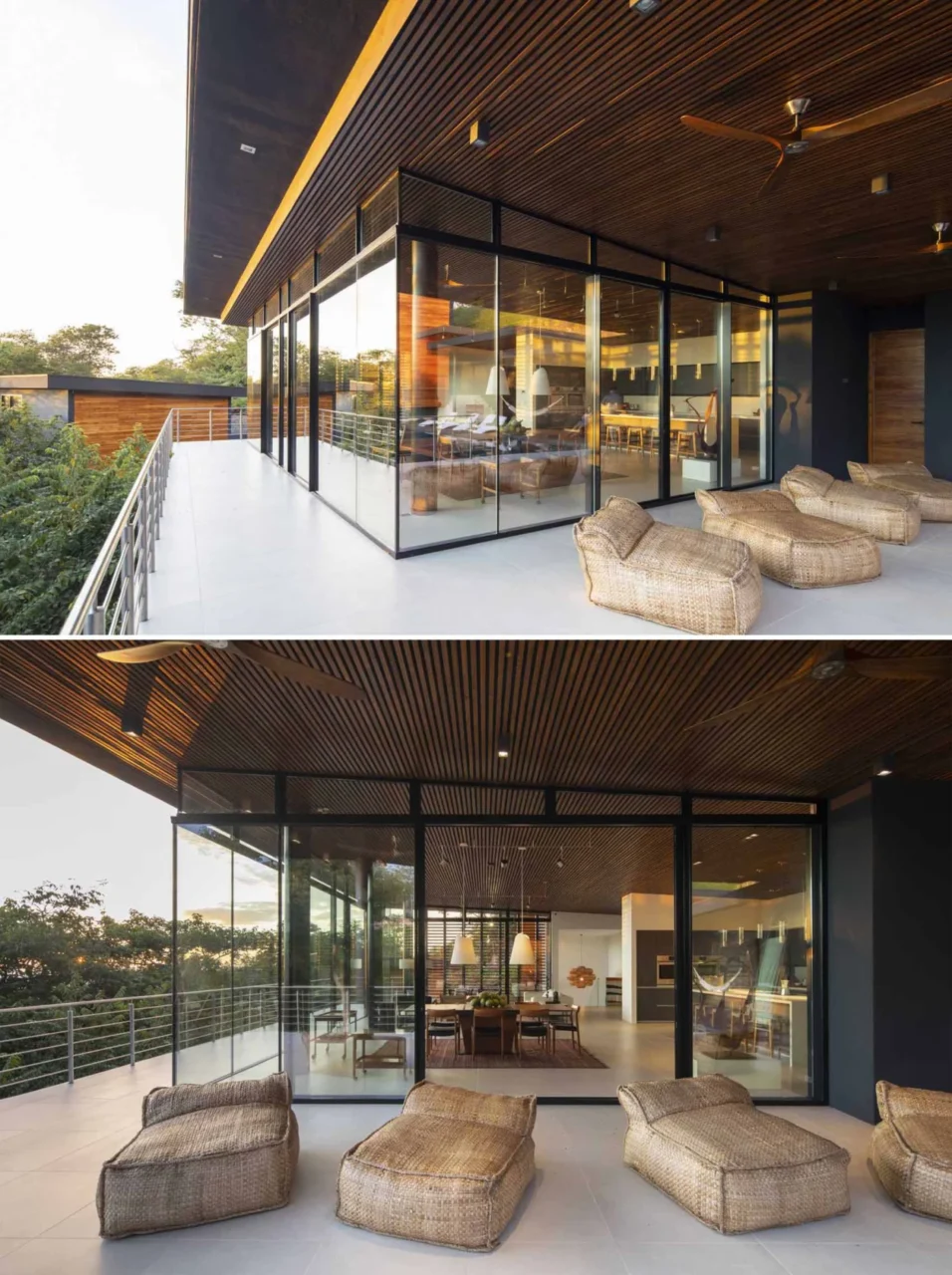
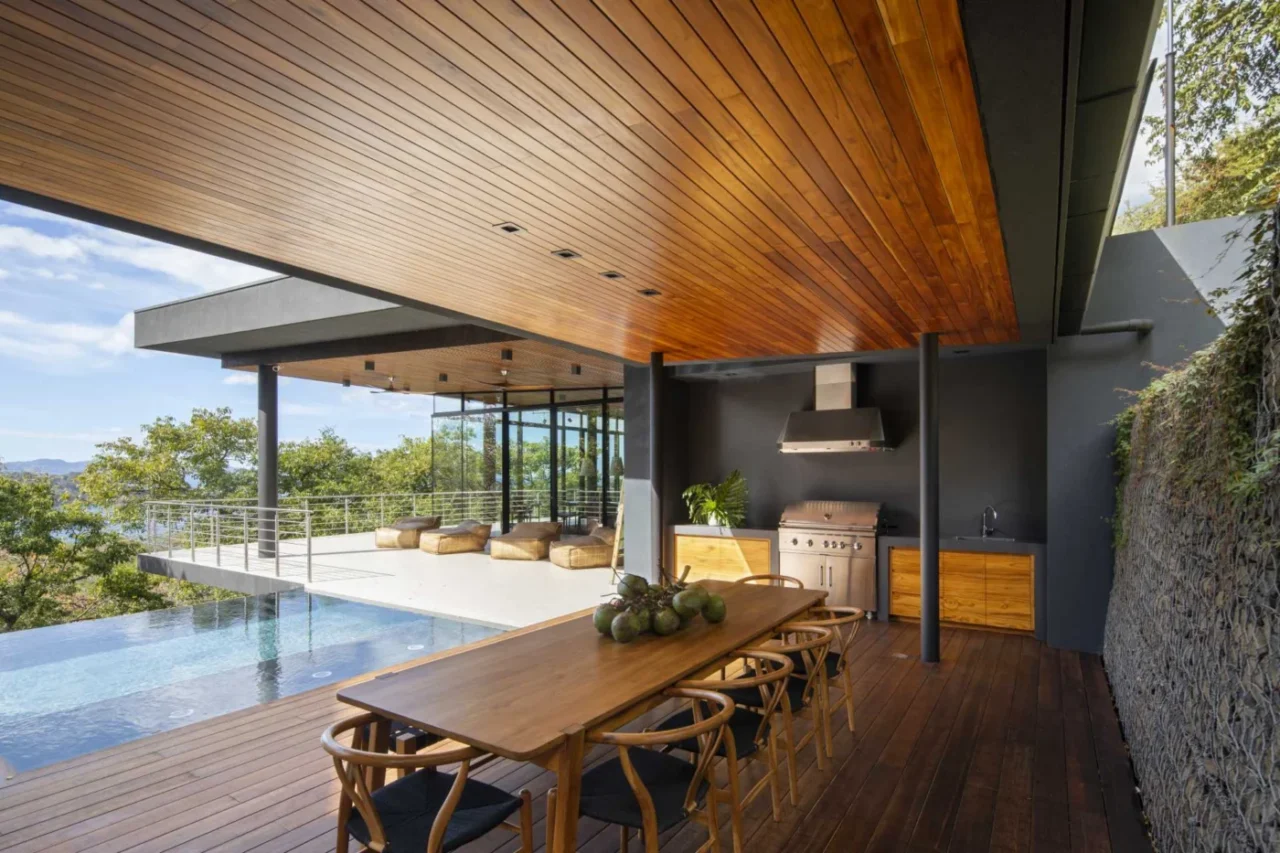
The outdoor areas and the swimming pool form the link to the second module. Decks wrap around the house and add more places to relax, and a covered area holds an outdoor dining space and an outdoor kitchen.
Open living spaces
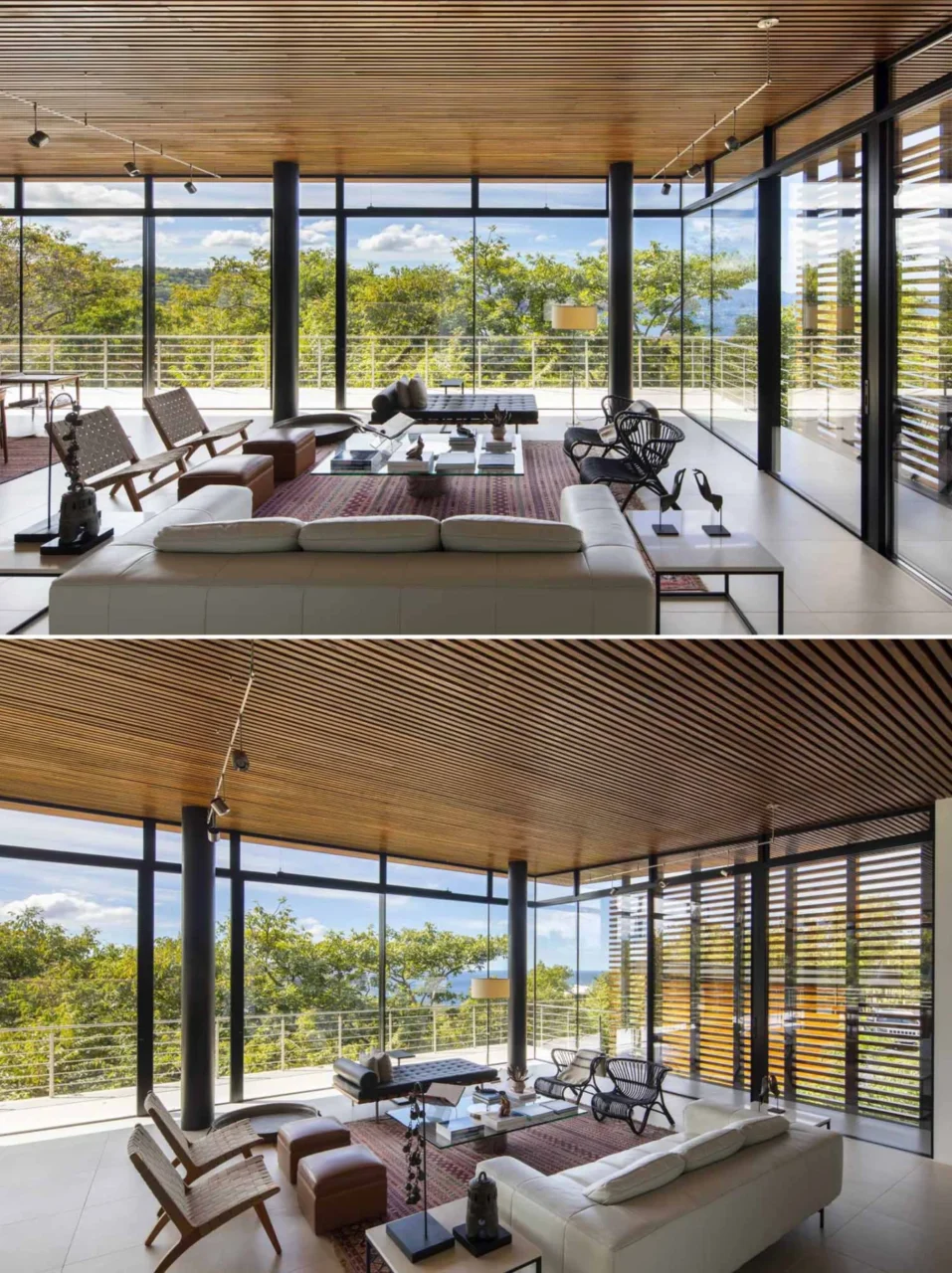
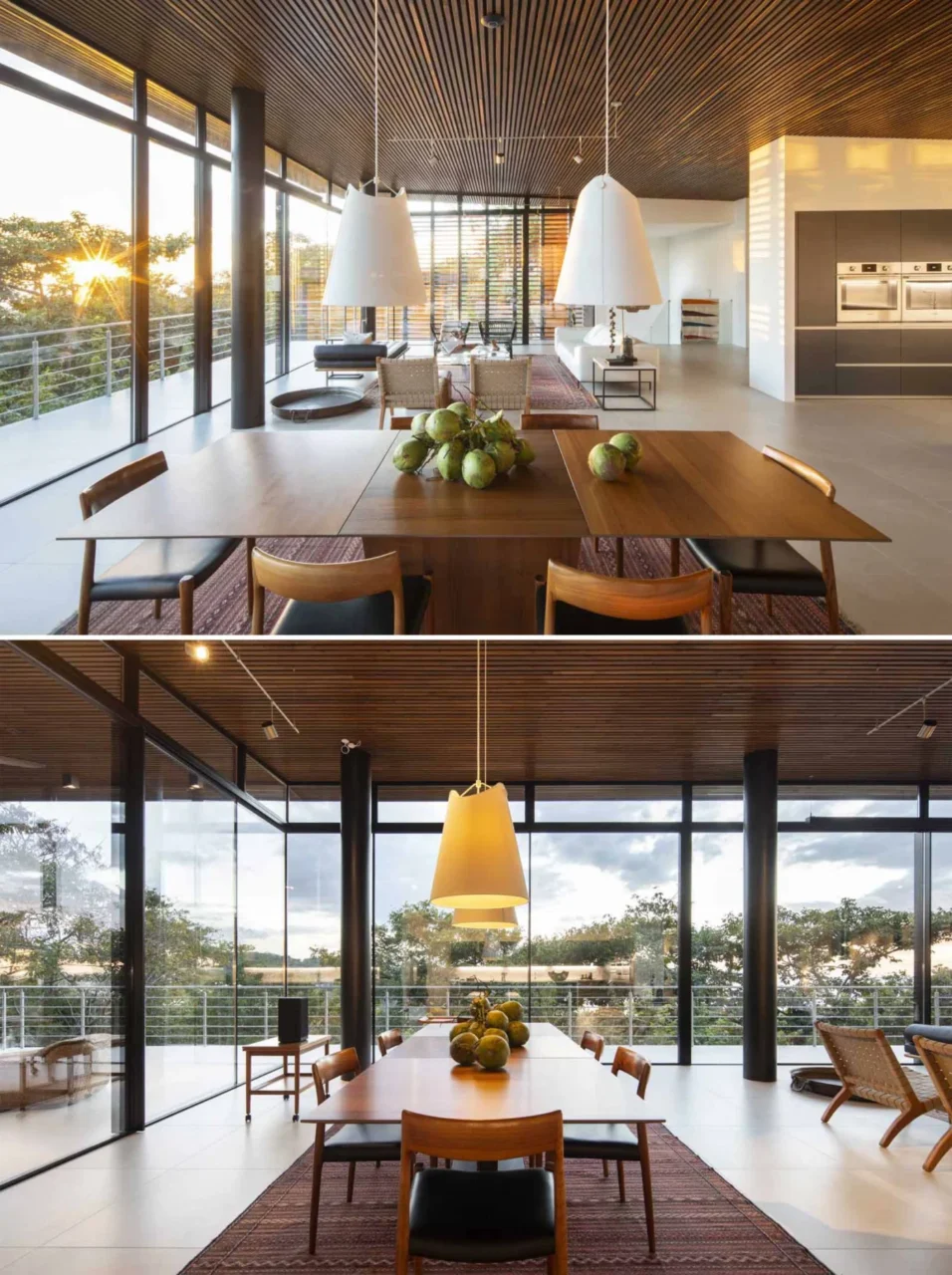
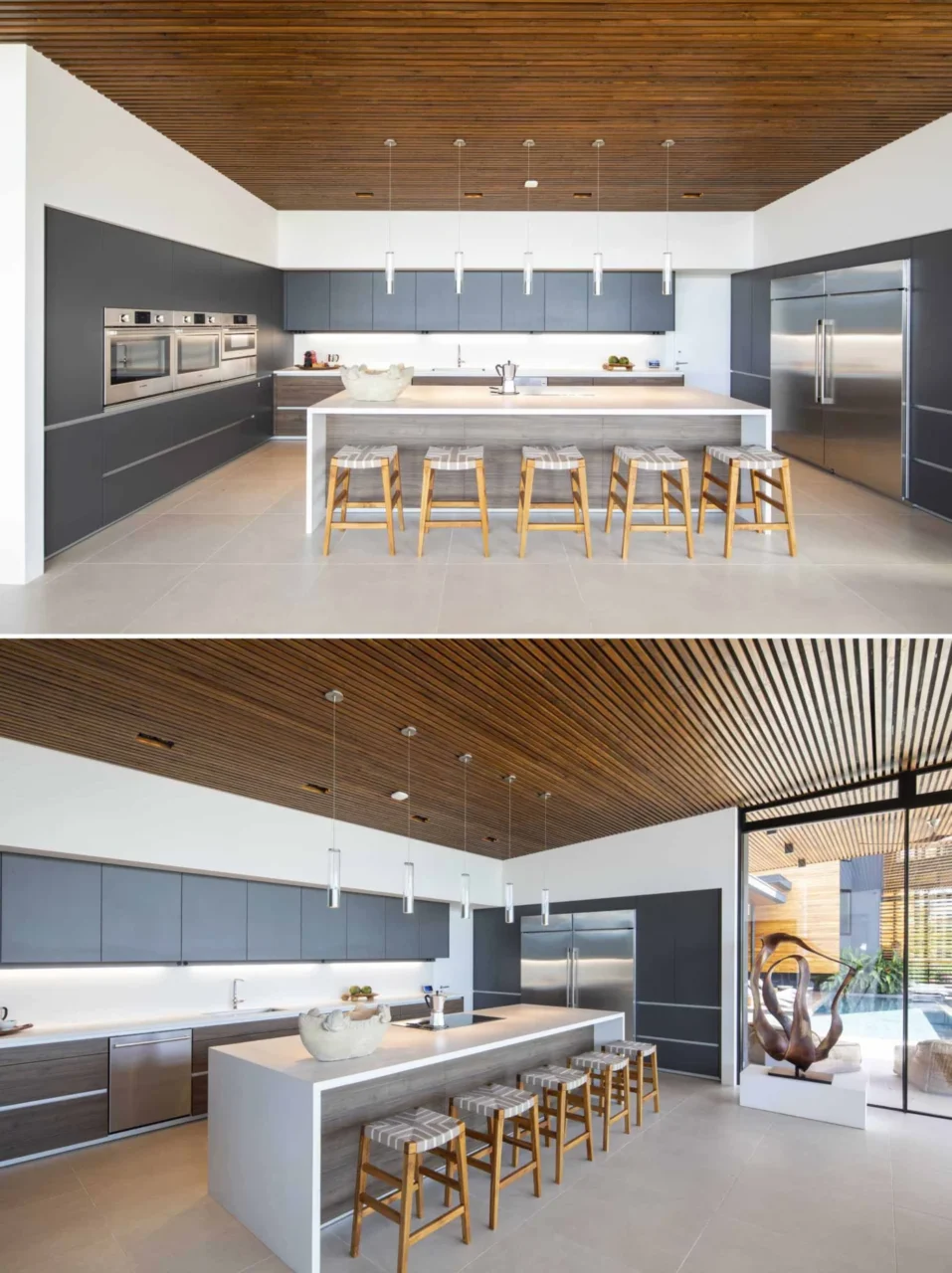
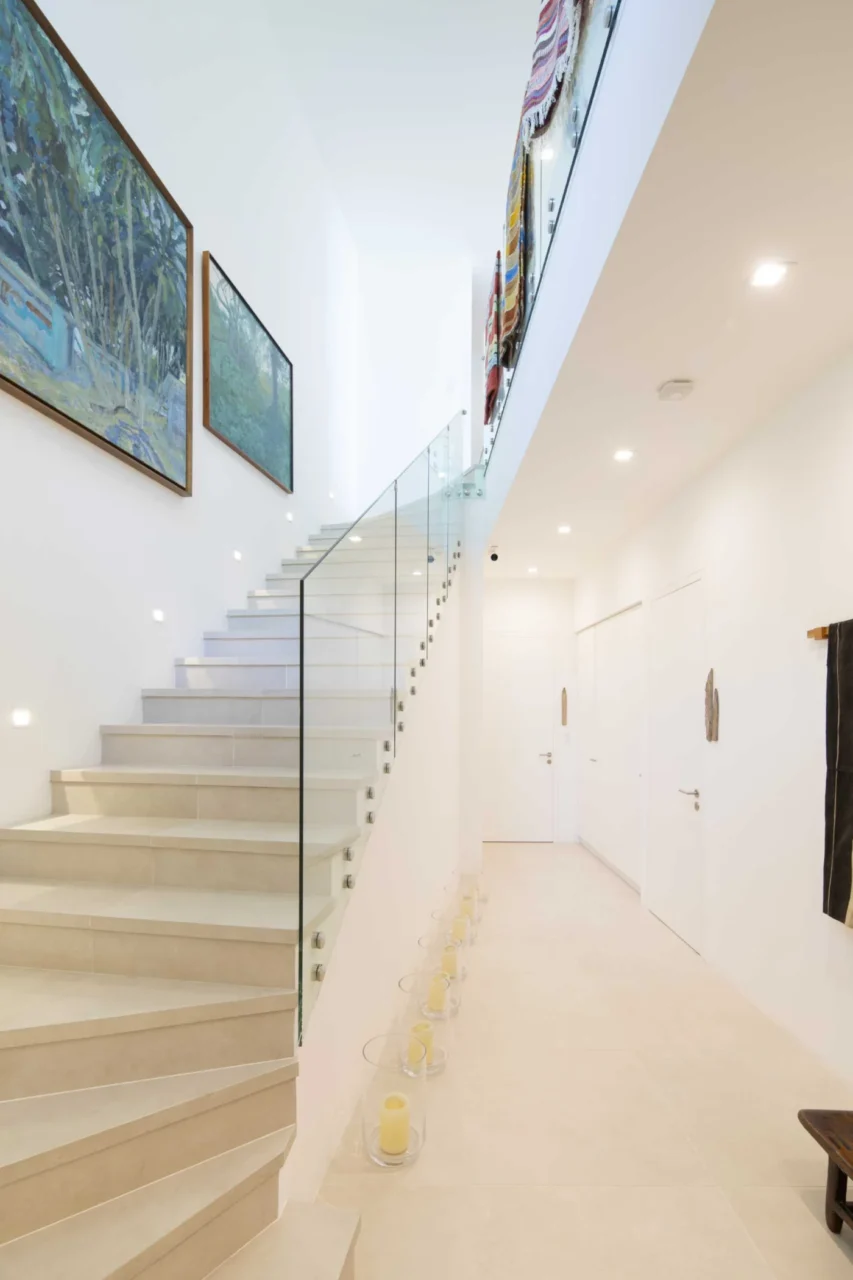
Inside, the living room and dining room share one open plan lined with floor-to-ceiling windows that flood the interior with daylight. Next to them is the kitchen, with grey cabinets, white worktops and a large island. A staircase with a glass railing is dressed with artwork and rugs.
Bedrooms and bathrooms
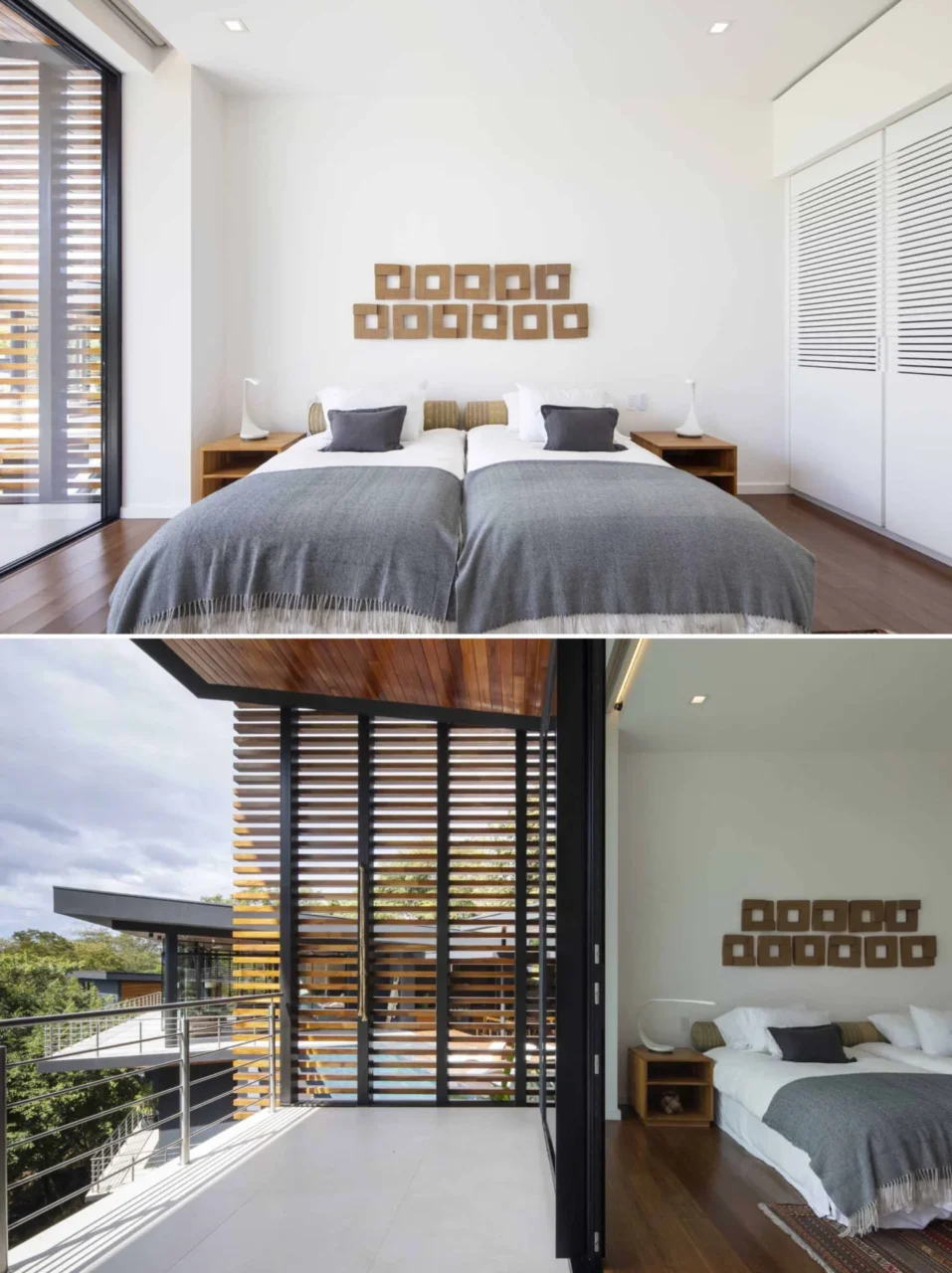
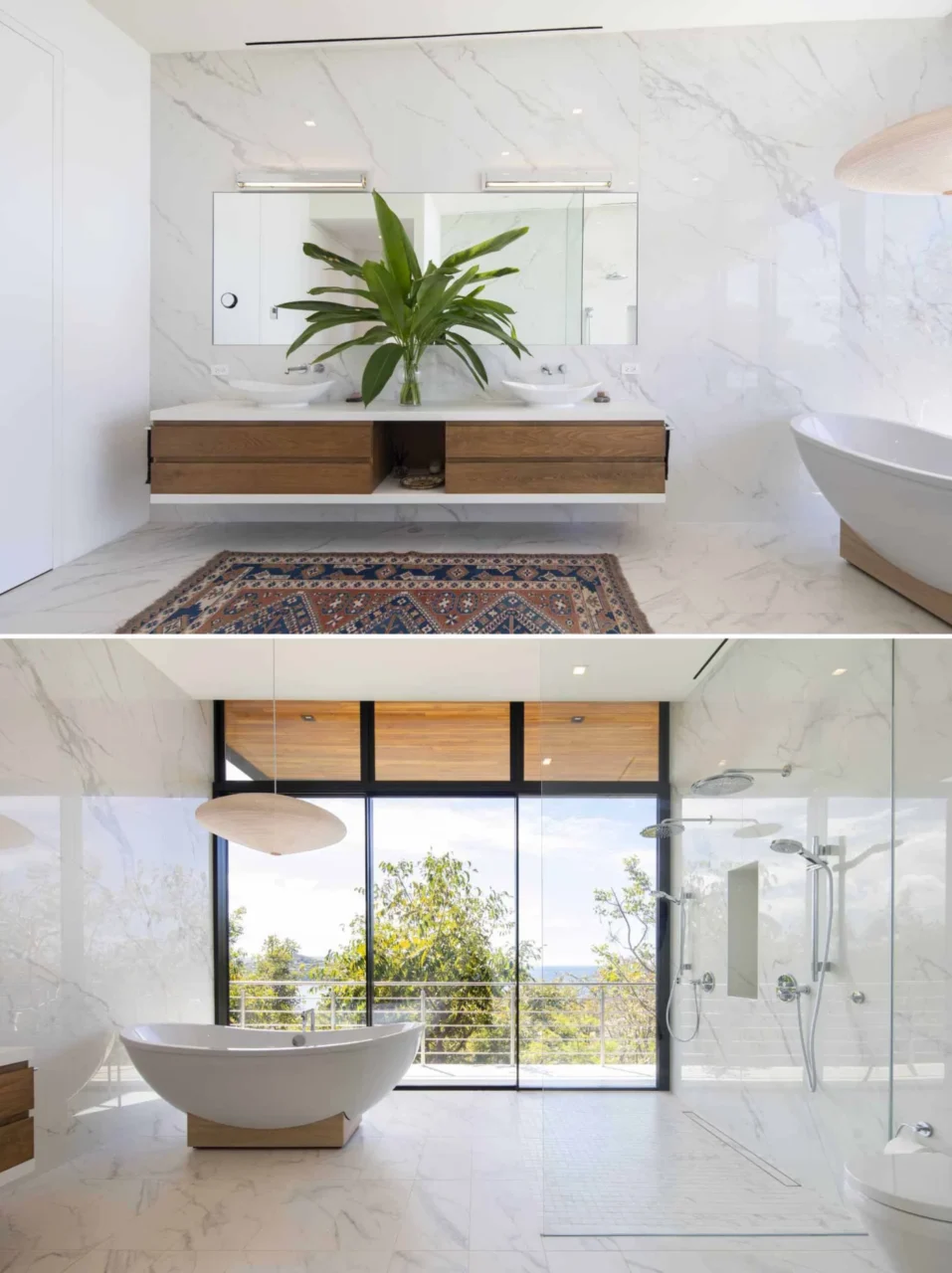
The lower level of the main module holds several bedrooms, while the primary bedroom sits in a separate module at the highest point of the house. All bedrooms have wood floors, white closets and a contemporary look. The bathrooms share one palette of wood, light-coloured tiles, white worktops and glass.
Designing on steep tropical sites
As a general point, breaking a house into smaller volumes is a common way to build on a steep slope: each piece needs less excavation, and the gaps between them become terraces, views and routes for air to move through.
Project credits
- Project: hillside home, Costa Rica
- Architecture: SARCO Architects
- Photography: Andres Garcia Lachner
- Source: Contemporist