 International Architecture & Design Awards (IADA) 2027
The International Architecture & Design Awards (IADA) include a dedicated discipline for AI-assisted and AI-generated work: AI-Powered Design. It covers architecture, interiors, urban and landscape projects, products, visualisation and digital experiences in which artificial intelligence plays a real part in the design process. Entries are evaluated by an independent international jury. This page explains the 30 AI-Powered nominations, what the jury expects to see, the IADA 2027 fees and deadlines and recent winners.
Why enter the AI-assisted architecture and design category of IADA?
AI tools are now part of everyday practice in many studios, from early form-finding and generative studies to rendering, simulation and fabrication. What is still rare is independent recognition for work where AI is used well: where it expands what designers can explore while the design decisions remain clearly human. An award in this IADA category gives that work documented, third-party recognition that you can cite in proposals and communication with clients.
Each IADA winner receives a published winner page with the project description, images, design team and credits. Certificates, winner logos and graphic materials are available in the participant account, and a physical trophy can be ordered separately; it is optional. IADA is organised by Architecture & Design Community (ADC) and has run since 2019; IADA 2027 lists 19 disciplines and 640 nominations in total.
AI-Powered Design nominations at IADA 2027
The AI-Powered Design discipline includes 30 nominations. Some follow the type of project (architecture, interiors, urban and landscape, products, furniture); others follow the way AI is used (generative design, parametric systems, performance-driven design, digital twins, fabrication and robotics) or the values behind it (ethical and transparent practice, accessibility, sustainability). Choose the nomination that best describes your project; each additional nomination is paid separately.
| Nominations | |
|---|---|
| Architectural Project – AI-Powered | Interior Project – AI-Powered |
| Urban & Landscape Project – AI-Powered | Retail & Visitor Experience – AI-Powered |
| Furniture Design – AI-Powered | Product Design – AI-Powered |
| Material Innovation – AI-Powered | Structural Solution – AI-Powered |
| Generative Design Project – AI-Powered | Performance-Driven Design – AI-Powered |
| Parametric / Procedural System – AI-Powered | Architectural Visualization & Rendering – AI-Powered |
| Visualization & Storytelling – AI-Powered | Digital Art & Illustration – AI-Powered |
| Video & Motion Design – AI-Powered | Sound & Audio Design – AI-Powered |
| Fashion & Textile Design – AI-Powered | Web & Interface Design – AI-Powered |
| Branding & Communication Design – AI-Powered | Interactive / Responsive Environment – AI-Powered |
| Mixed-Reality Installation – AI-Powered | Heritage Conservation – AI-Powered |
| Accessibility & Inclusive Design – AI-Powered | Human–AI Collaboration – AI-Powered |
| Fabrication & Robotics – AI-Powered | Open-Source Tools – AI-Powered |
| Ethical & Transparent Practice – AI-Powered | Sustainable Design – AI-Powered |
| Speculative Futures – AI-Powered | Digital Twin Simulation – AI-Powered |
Projects that use AI only as a minor production tool may fit better in the regular disciplines. Compare all options on the IADA categories and nominations page, including architecture and interior design.
What the jury needs to see: the role of AI
The discipline description asks entrants to explain three things: the role of AI in the project, the tools or methods used, and the human design decisions behind the submitted work. A strong entry makes that division of labour easy to follow.
- Where AI was used. Ideation, form-finding, optimisation, visualisation, fabrication or interaction; name the stages.
- Which tools and methods. Name the software or models and describe how they were combined with conventional tools.
- What the designers decided. Show the selections, edits and constraints that turned AI output into a coherent design.
- What the result is. A built project, a product, a concept or a visualisation; state the status honestly.
For example, the 2026 Platinum winner Bionic Architecture: Public Landmark Concept describes a workflow in which AI tools supported early ideation, the building was then modelled and rendered with traditional 3D tools, and AI was used again to expand the visual context and create an animation.
IADA 2027 fees and deadlines
The entry fee depends on the registration period. The fee for the first project includes one nomination; each additional nomination for the same project costs less.
| Registration period | Register by | First project | Each additional nomination |
|---|---|---|---|
| Early Bird | 13 November 2026 | $140 | $90 |
| Advance | 18 December 2026 | $170 | $110 |
| Standard | 29 January 2027 | $200 | $130 |
| Extended | 5 February 2027 | $230 | $150 |
| Late | 9 April 2027 | $260 | $170 |
- Project submission deadline: 12 April 2027
- Winners announced: 14 May 2027
- Students: 50% discount on entry fees
Registration and project submission have separate deadlines. Full details are on the entry fees and deadlines pages.
Register your AI-powered project
How AI-powered projects are judged
Each member of the jury evaluates every project in its nomination against three criteria:
- Innovation & Originality: the strength of the idea and how meaningfully AI contributes to it.
- Design & Aesthetic Quality: the quality of the final design, beyond the novelty of the tools.
- Functionality & Spatial Integration: how the result works for its users, site or context.
The jury scores each entry against these published criteria and the scores are averaged. The highest-ranked projects receive Platinum, Gold, Silver or Bronze awards, and Honourable Mentions may also be given. Meet the jury on the IADA jury page.
Recent IADA AI-Powered Design winners
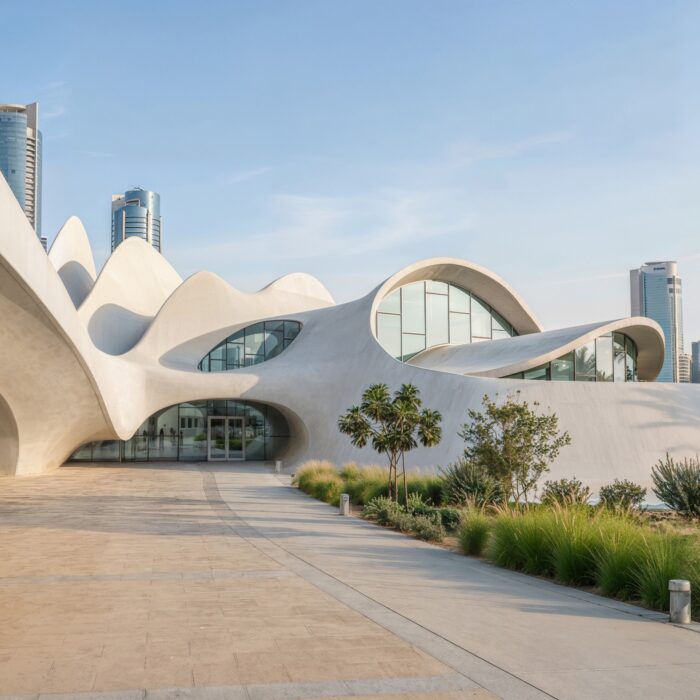
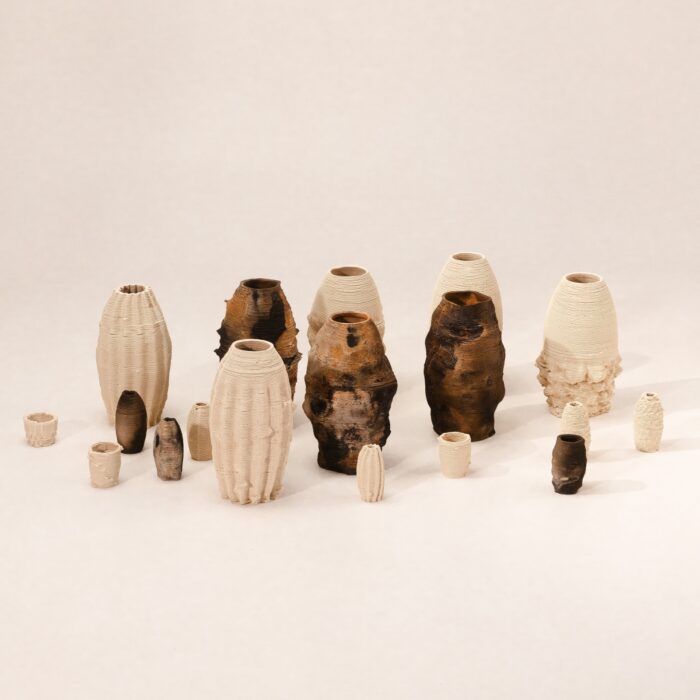
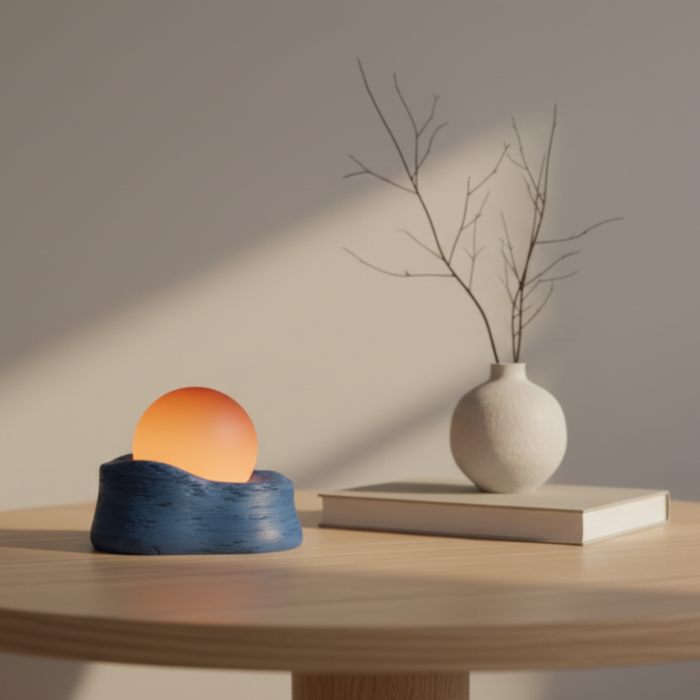
Platinum winners in the AI-Powered Design discipline at IADA 2026, from an architectural visualisation workflow to a built manufacturing project and a product concept.
| Project | Studio | Country | Award | Nomination | Status |
|---|---|---|---|---|---|
| Bionic Architecture: Public Landmark Concept | PIXREADY | United Kingdom | Platinum, IADA 2026 | Architectural Visualization & Rendering – AI-Powered | Concept |
| Internal Manufacturing | ORESNIR | Israel | Platinum, IADA 2026 | Human–AI Collaboration – AI-Powered | Completed / Built |
| SŌLIS Lamp | Kyung-seo Yoo | United States | Platinum, IADA 2026 | Product Design – AI-Powered | Concept |
Browse more projects in the IADA winners archive.
Preparing a strong AI design entry
Juries have seen many striking AI images; what they look for is judgement. Treat your submission as a design argument rather than a gallery of outputs.
- Show a short process sequence: prompt or input, selected outputs, and the refined result.
- Explain what you rejected and why, not only what you kept.
- For architecture and interiors, include plans, sections or diagrams that prove the design works beyond the image.
- Credit the full team and state the project status (built, prototype or concept) accurately.
Our guide How to enter IADA covers the materials you need and the order in which to prepare them.
How to enter IADA 2027 in four steps
- Create your participant account. Registration and submission are managed in your account.
- Register your project and pay the entry fee. Choose your AI-Powered nomination and any additional nominations.
- Prepare your presentation. Project description, images and drawings; our guide How to enter IADA explains what to prepare.
- Submit before 12 April 2027. Winners are announced on 14 May 2027.
IADA AI-assisted architecture and design category FAQ
Does IADA have a separate category for AI design?
Yes. AI-Powered Design is one of the 19 IADA disciplines and includes 30 nominations, covering architecture, interiors, urban and landscape projects, products, visualisation and digital work.
Can I enter AI-generated architecture that is not built?
Yes. IADA accepts concepts as well as built projects. Select the status that accurately describes your project and explain the role of AI and the human design decisions behind it.
Do I need to disclose which AI tools I used?
The discipline asks entrants to explain the role of AI, the tools or methods used and the human design decisions behind the work. Describing your workflow clearly helps the jury evaluate it.
How much does it cost to enter IADA 2027?
In the current Early Bird period, until 13 November 2026, the first project costs $140 and each additional nomination $90. Fees increase with each registration period (see the fee table). Students receive a 50% discount on everything except trophies.
Who judges AI-powered entries?
An independent international jury. Each member scores projects against three published criteria, and the scores are averaged. See the IADA jury.
When are the IADA 2027 winners announced?
On 14 May 2027. The project submission deadline is 12 April 2027.
Ready to enter your AI-powered project?
Early Bird registration for IADA 2027 is open until 13 November 2026: $140 for the first project. Register early: fees increase with each period.