 International Architecture & Design Awards (IADA) 2027
Many of the most interesting architecture projects are never built, or not yet. The International Architecture & Design Awards (IADA) judge conceptual and unbuilt architecture alongside completed buildings: concepts are accepted across the architecture, interior and landscape nominations, and IADA also has a dedicated Conceptual discipline for future-facing ideas. This page explains where unbuilt projects fit, how they are judged, the IADA 2027 fees and deadlines and recent concept winners.
Why enter an award for unbuilt architecture?
Competition entries, speculative studies, projects on hold and designs awaiting funding often represent a studio’s strongest thinking, yet they rarely receive public recognition. An award for concept architecture gives that work documented, third-party recognition that you can cite in proposals, investor presentations and competition applications.
Each IADA winner receives a published winner page with the project description, images, design team and credits, and the project status is shown on the page. Certificates, winner logos and graphic materials are available in the participant account, and a physical trophy can be ordered separately; it is optional. IADA is organised by Architecture & Design Community (ADC) and has run since 2019; IADA 2027 lists 19 disciplines and 640 nominations in total.
Where concept projects fit at IADA 2027
You do not need a special category to enter a concept. Choose the nomination that matches the building type or the main idea, and select Concept as the project status when you register. If a second nomination also fits, you can add it; each additional nomination is paid separately.
| Discipline | Suitable concept projects |
|---|---|
| Architecture (32 nominations) | Unbuilt buildings in any architecture nomination: cultural, civic, residential, commercial, infrastructure, urban design |
| Interior (32 nominations) | Interior concepts for homes, offices, hospitality, retail and public buildings |
| Landscape (24 nominations) | Proposed parks, public spaces, waterfronts and ecological interventions |
| Conceptual (36 nominations) | Future-facing ideas, including Habitat & Urban Planning, Institutional & Public Facilities, Futuristic & Innovative Concepts and Green & Eco-Friendly Design |
| AI-Powered Design (30 nominations) | Concepts developed with AI, including Architectural Project – AI-Powered and Speculative Futures – AI-Powered |
See every nomination on the IADA categories and nominations page. For built and unbuilt buildings in general, see our architecture awards page.
Concept or built: how status works
Every IADA entry carries a project status, and the status is published on the winner page. Concept and built projects are evaluated against the same published criteria, so a concept is not judged as a lesser version of a building: the jury looks at the strength of the idea, the quality of the design and how convincingly the project would work. Participants enter as professionals or as students; students are judged by the same jury against the same criteria and receive a 50% discount on everything except trophies.
IADA 2027 fees and deadlines
The entry fee depends on the registration period. The fee for the first project includes one nomination; each additional nomination for the same project costs less.
| Registration period | Register by | First project | Each additional nomination |
|---|---|---|---|
| Early Bird | 13 November 2026 | $140 | $90 |
| Advance | 18 December 2026 | $170 | $110 |
| Standard | 29 January 2027 | $200 | $130 |
| Extended | 5 February 2027 | $230 | $150 |
| Late | 9 April 2027 | $260 | $170 |
- Project submission deadline: 12 April 2027
- Winners announced: 14 May 2027
- Students: 50% discount on entry fees
Registration and project submission have separate deadlines. Full details are on the entry fees and deadlines pages.
How concept projects are judged
Each member of the jury evaluates every project in its nomination against three criteria:
- Innovation & Originality: the strength and freshness of the architectural idea.
- Design & Aesthetic Quality: composition, materials, detailing and the quality of the presentation.
- Functionality & Spatial Integration: how the proposal would work for its users and relate to its site and context.
The jury scores each entry against these published criteria and the scores are averaged. The highest-ranked projects receive Platinum, Gold, Silver or Bronze awards, and Honourable Mentions may also be given. Meet the jury on the IADA jury page.
Recent IADA concept winners
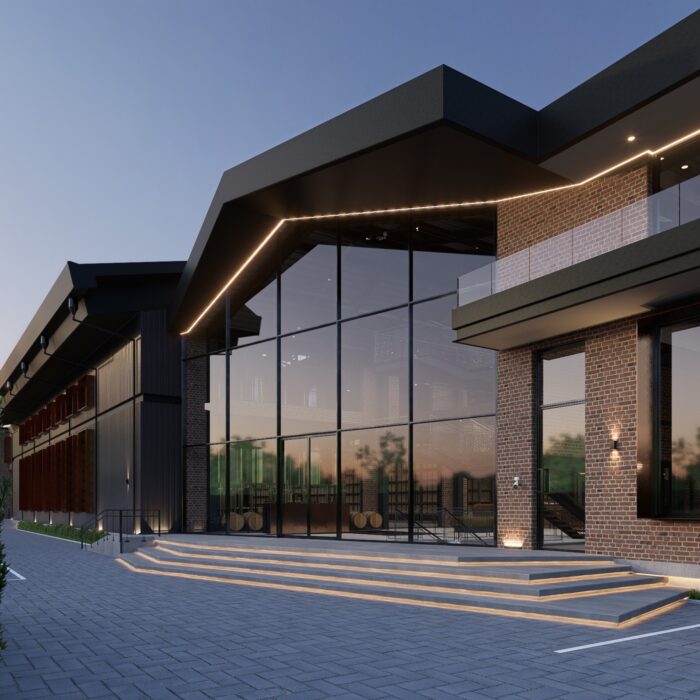
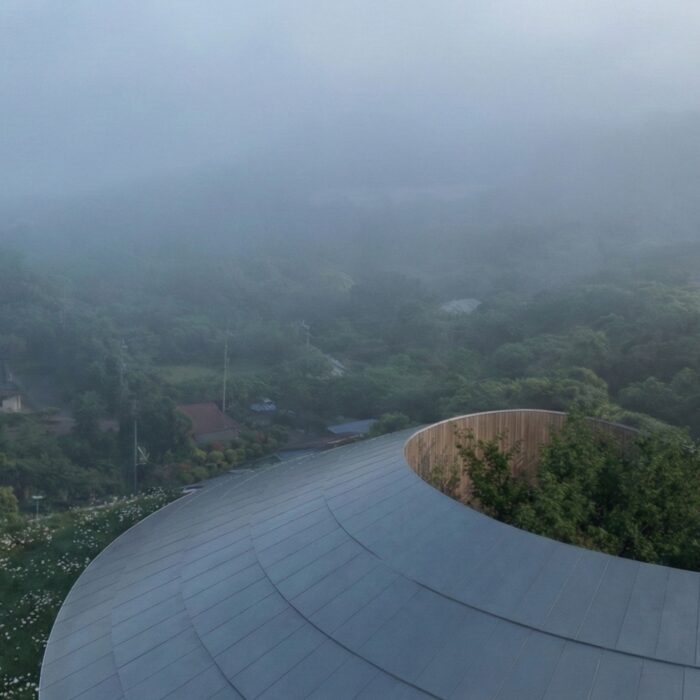
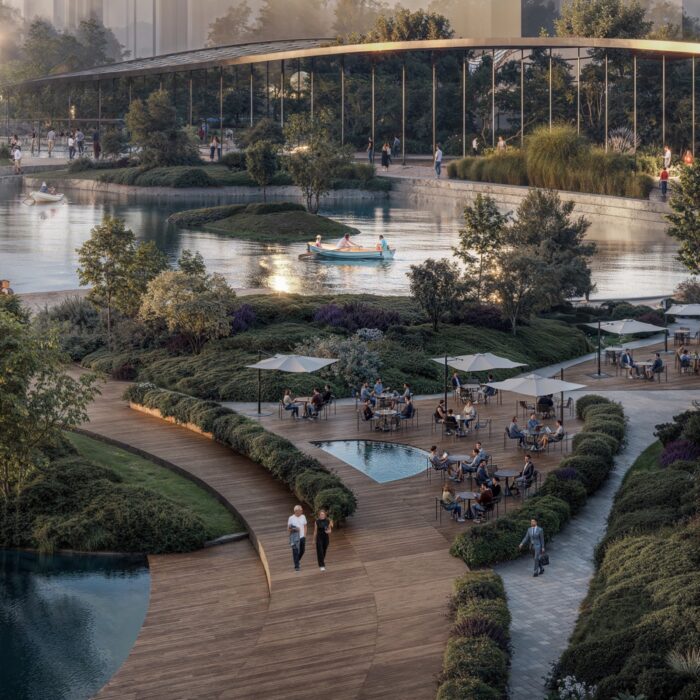
Platinum winners from IADA 2026 whose winner pages list the project status as Concept, from a civic landmark and a hydro-ecological farm to office towers and a public park.
| Project | Studio | Country | Award | Nomination | Status |
|---|---|---|---|---|---|
| Sentinel Ring | CSLab | United States | Platinum, IADA 2026 | Public Building & Civic Architecture | Concept |
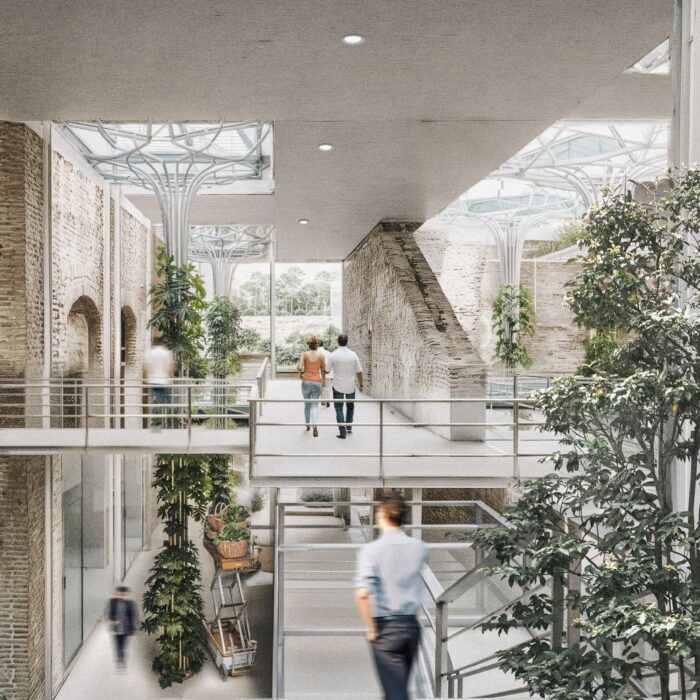
| Future Farm: Architecture as Hydro-Ecological Infrastructure | Q.D Spatial Practice | United Kingdom | Platinum, IADA 2026 | Sustainable & Green Architecture | Concept |
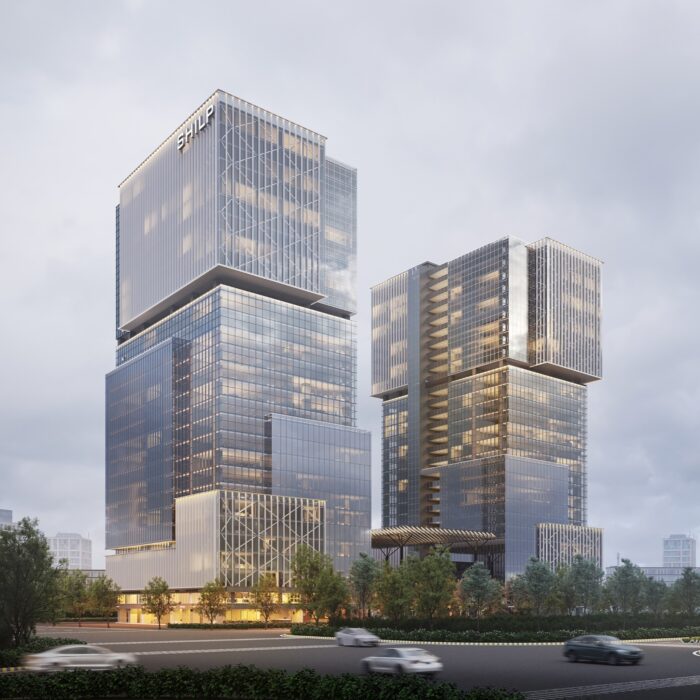
| Shilp Twin Towers, GIFT City, Gandhinagar | INI Design Studio | India | Platinum, IADA 2026 | Corporate & Office Building Design | Concept |
| The Distillery Forge | SK Architects | Cyprus | Platinum, IADA 2026 | Industrial & Manufacturing Facilities | Concept |
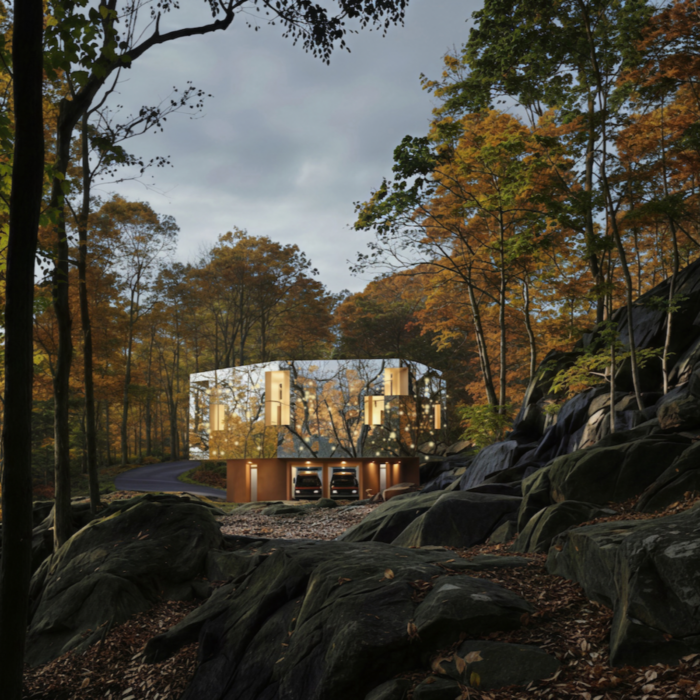
| Kikori Yakushima | Jianing Yang, Zhiao Feng, Zhiyuan Zhang, Yicheng Ren | United States | Platinum, IADA 2026 | Private Residence & Custom Home Design | Concept |
| OASIS PARK | L.BURO | Kazakhstan | Platinum, IADA 2026 | Open Space & Park Design | Concept |
Browse more projects in the IADA winners archive.
Making an unbuilt project convincing
Without photographs of a finished building, the presentation has to prove that the idea would work. The strongest concept entries combine a clear idea with enough technical evidence to make it credible.
- Start with the brief, the site and the problem the proposal responds to.
- Support renderings with plans, sections and diagrams; they show that the project works, not only how it looks.
- Explain structure, materials and environmental strategy where they are part of the idea.
- Say why the project is unbuilt (competition, research, awaiting approval) and credit the full team.
Our guide How to enter IADA covers the materials you need and the order in which to prepare them.
How to enter IADA 2027 in four steps
- Create your participant account. Registration and submission are managed in your account.
- Register your project and pay the entry fee. Choose your nomination, select Concept as the status, and any additional nominations.
- Prepare your presentation. Project description, images and drawings; our guide How to enter IADA explains what to prepare.
- Submit before 12 April 2027. Winners are announced on 14 May 2027.
Conceptual architecture awards FAQ
Can I enter an unbuilt architecture project in IADA?
Yes. IADA accepts concepts as well as completed buildings. Choose the nomination that matches the project and select Concept as the project status when you register.
Are concept projects judged differently from built ones?
Concept and built projects are scored by the jury against the same three published criteria. The project status is shown on the winner page.
Can I enter a competition entry that did not win?
Yes, as long as you have the rights to present the project and credit the full design team.
How much does it cost to enter IADA 2027?
In the current Early Bird period, until 13 November 2026, the first project costs $140 and each additional nomination $90. Fees increase with each registration period (see the fee table). Students receive a 50% discount on everything except trophies.
Who judges the entries?
An independent international jury. Each member scores projects against three published criteria, and the scores are averaged. See the IADA jury.
When are the IADA 2027 winners announced?
On 14 May 2027. The project submission deadline is 12 April 2027.
Ready to enter your concept project?
Early Bird registration for IADA 2027 is open until 13 November 2026: $140 for the first project. Register early: fees increase with each period.