 International Architecture & Design Awards 2026
Double-water Low-carbon Community Center
Xiao-Lab, Ninghai County Architectural Design Institute and Zhejiang University - University of Illinois Institute (ZJUI)
Sustainable & Green Architecture
Double-water Low-carbon Community Center — IADA 2026 award
Double-water Low-carbon Community Center received Bronze Winner recognition at the International Architecture & Design Awards 2026 in Sustainable & Green Architecture. Project status, design team and credits are listed alongside the presentation.
About the project
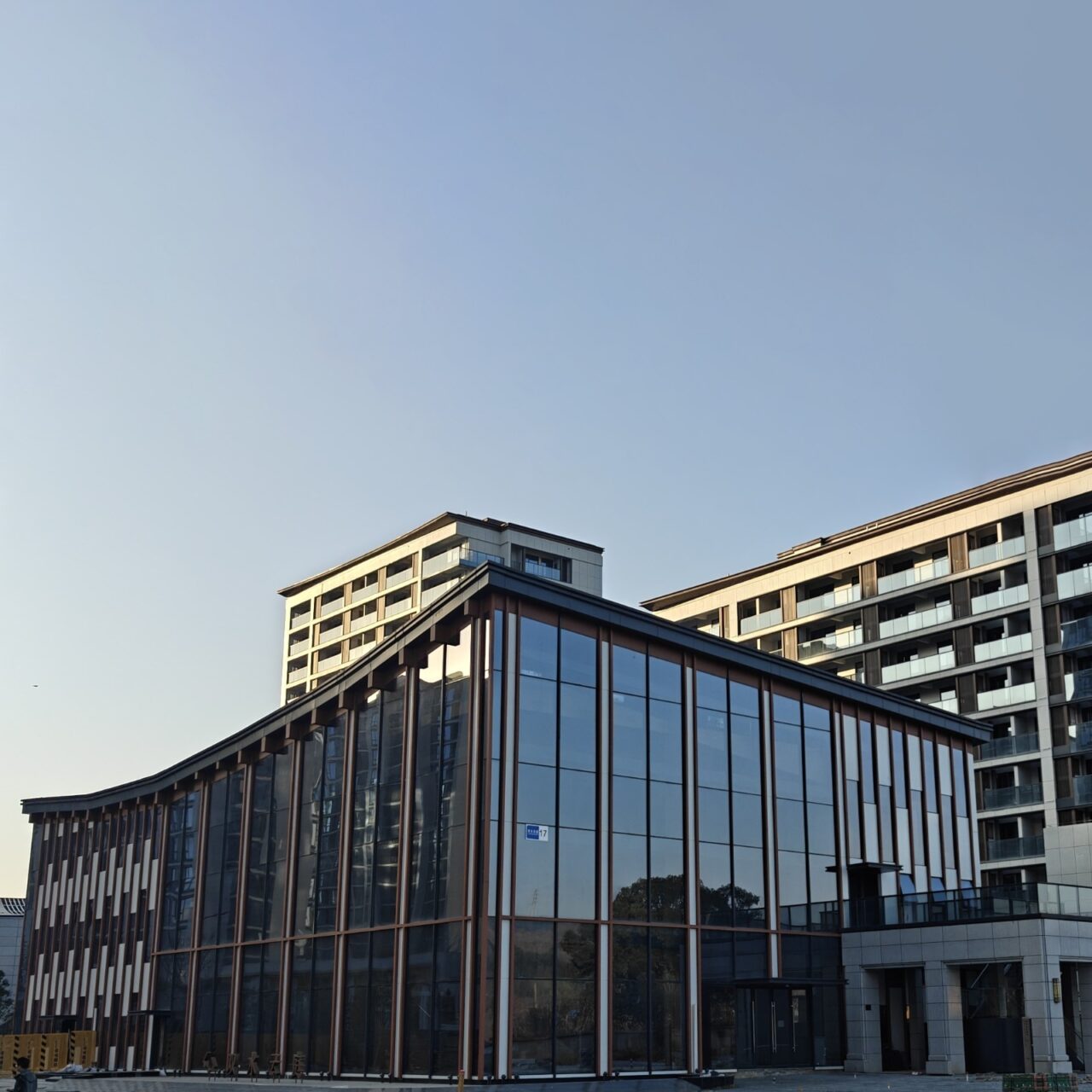
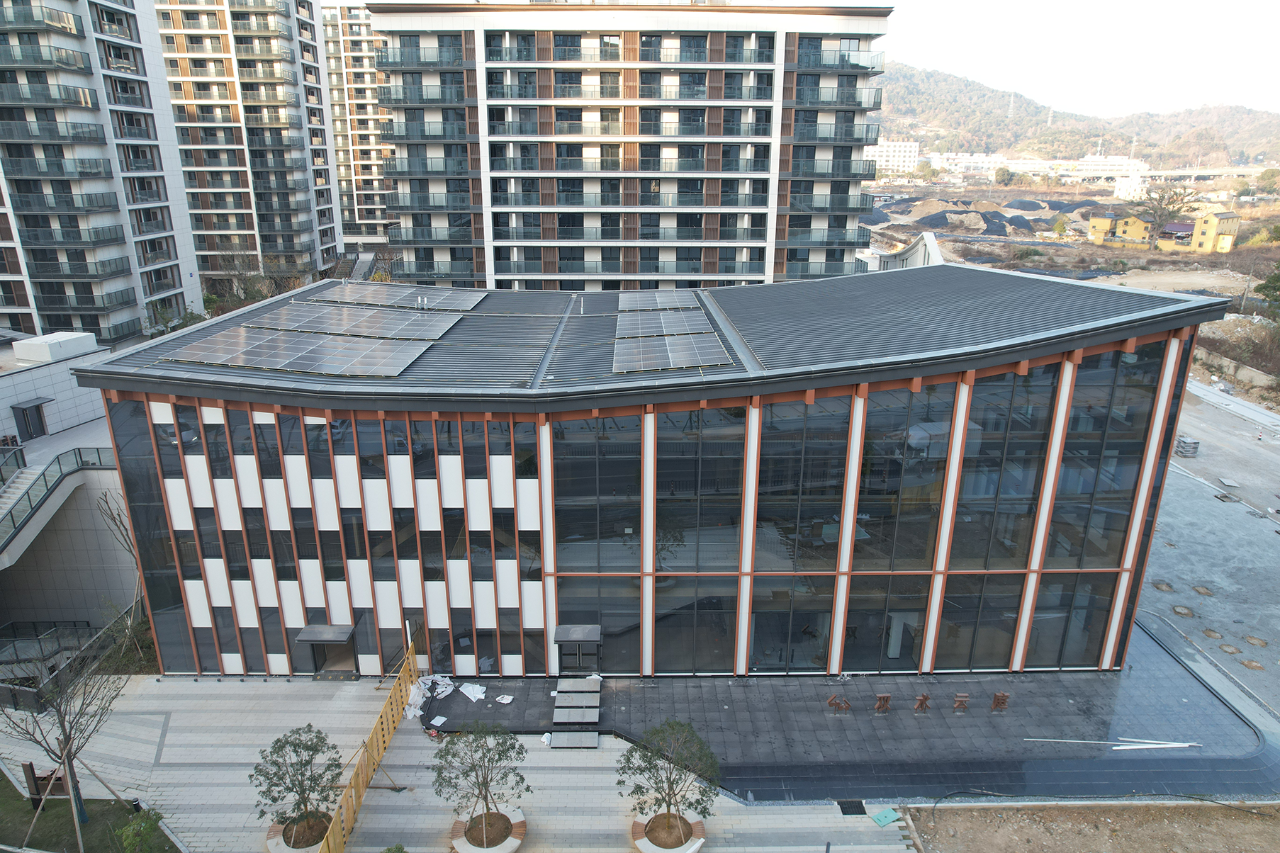
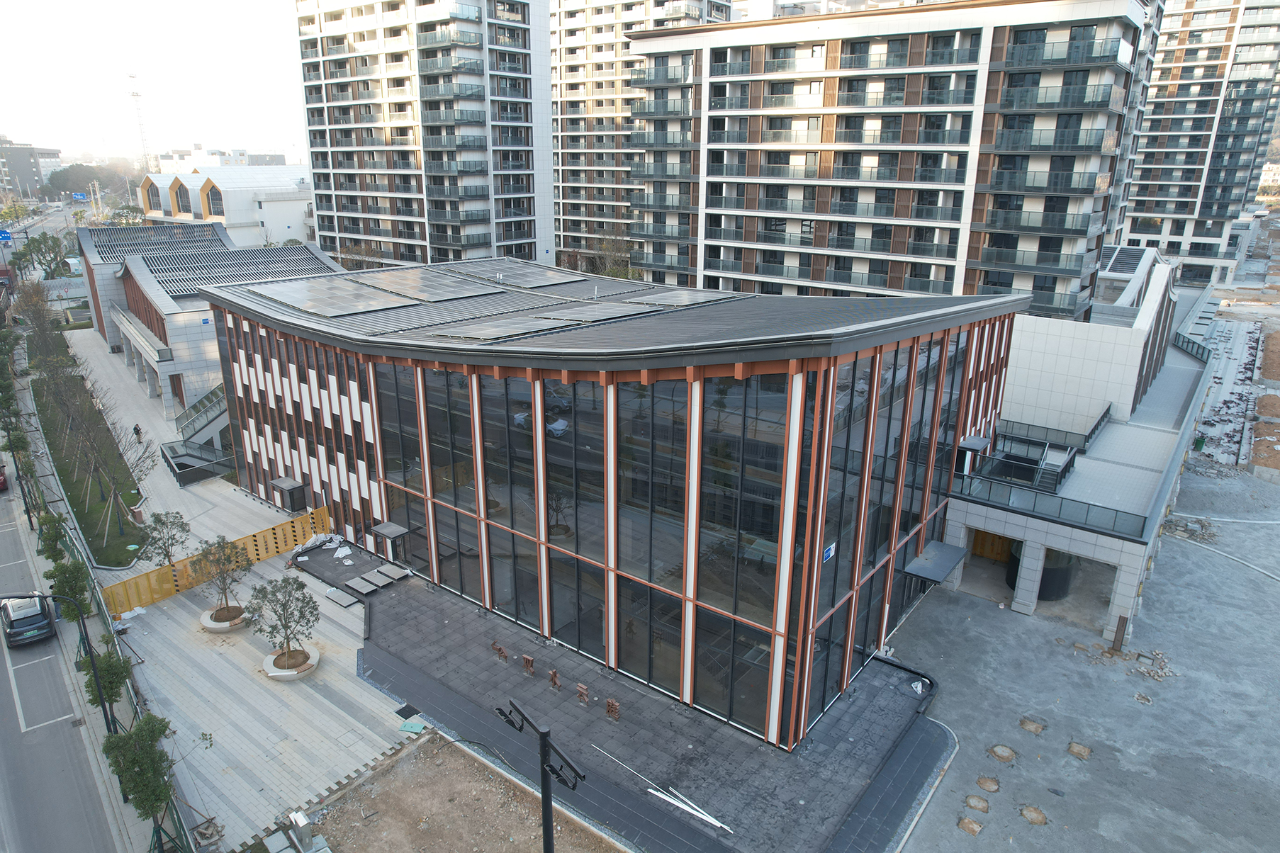
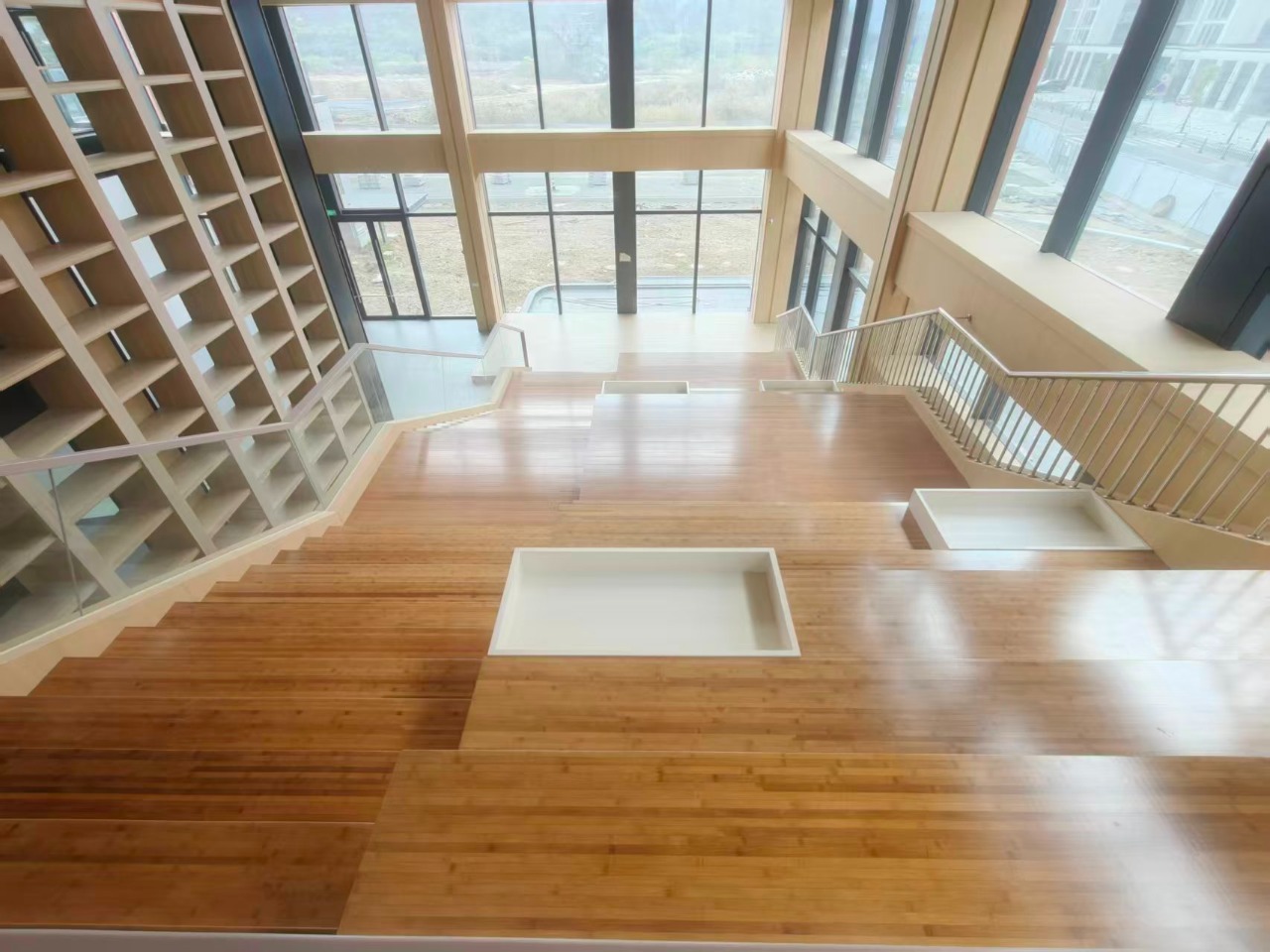
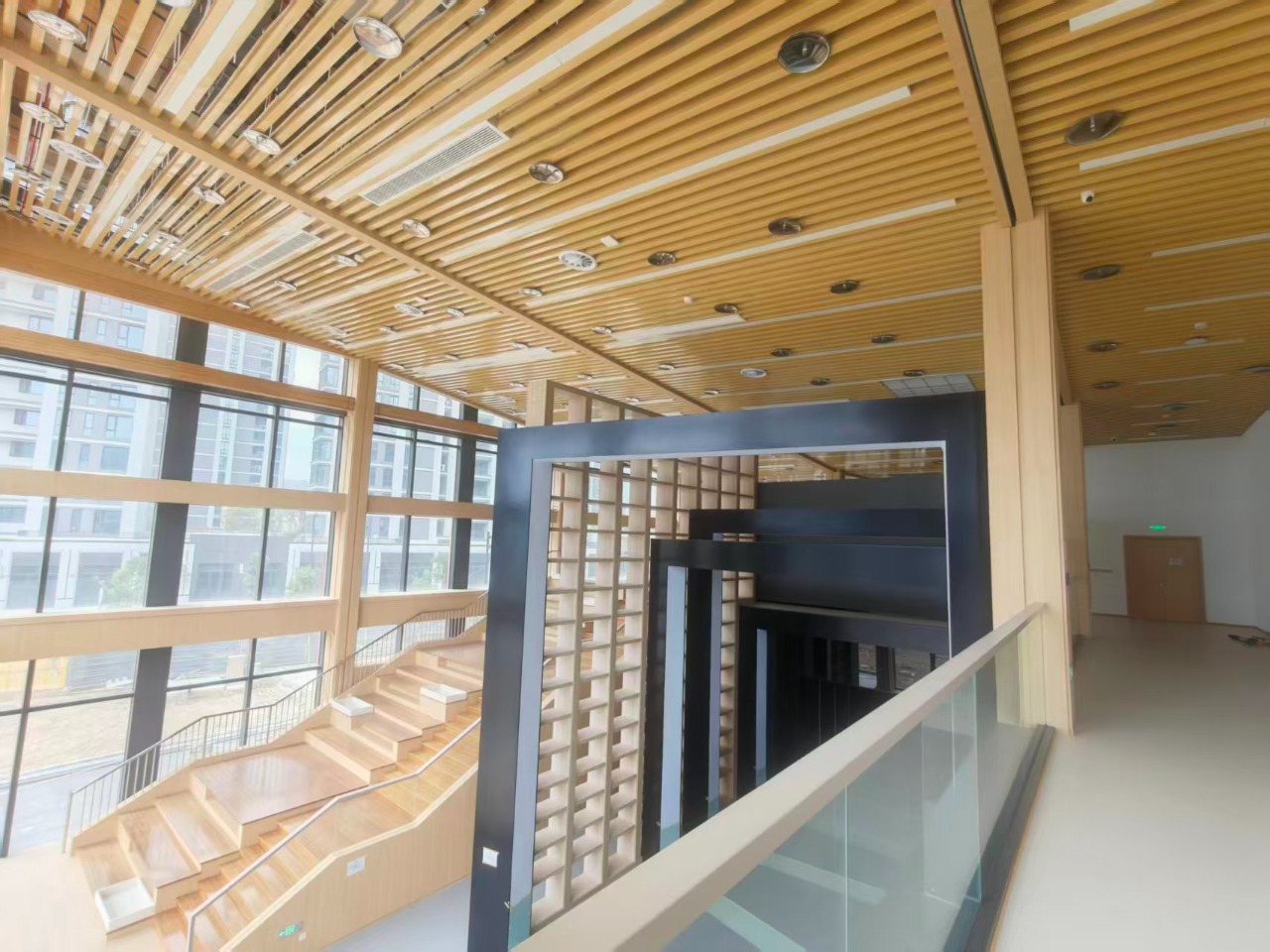
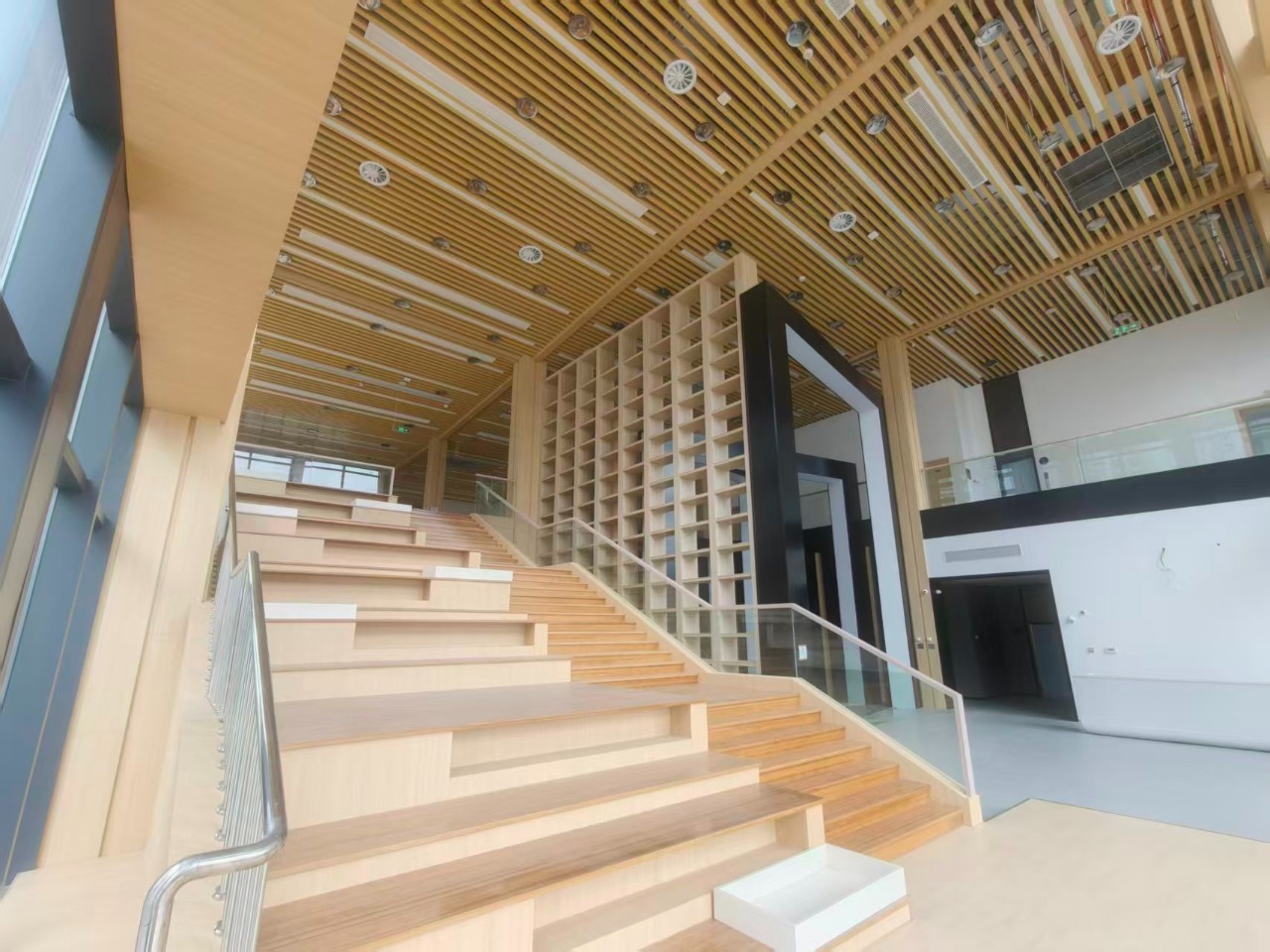
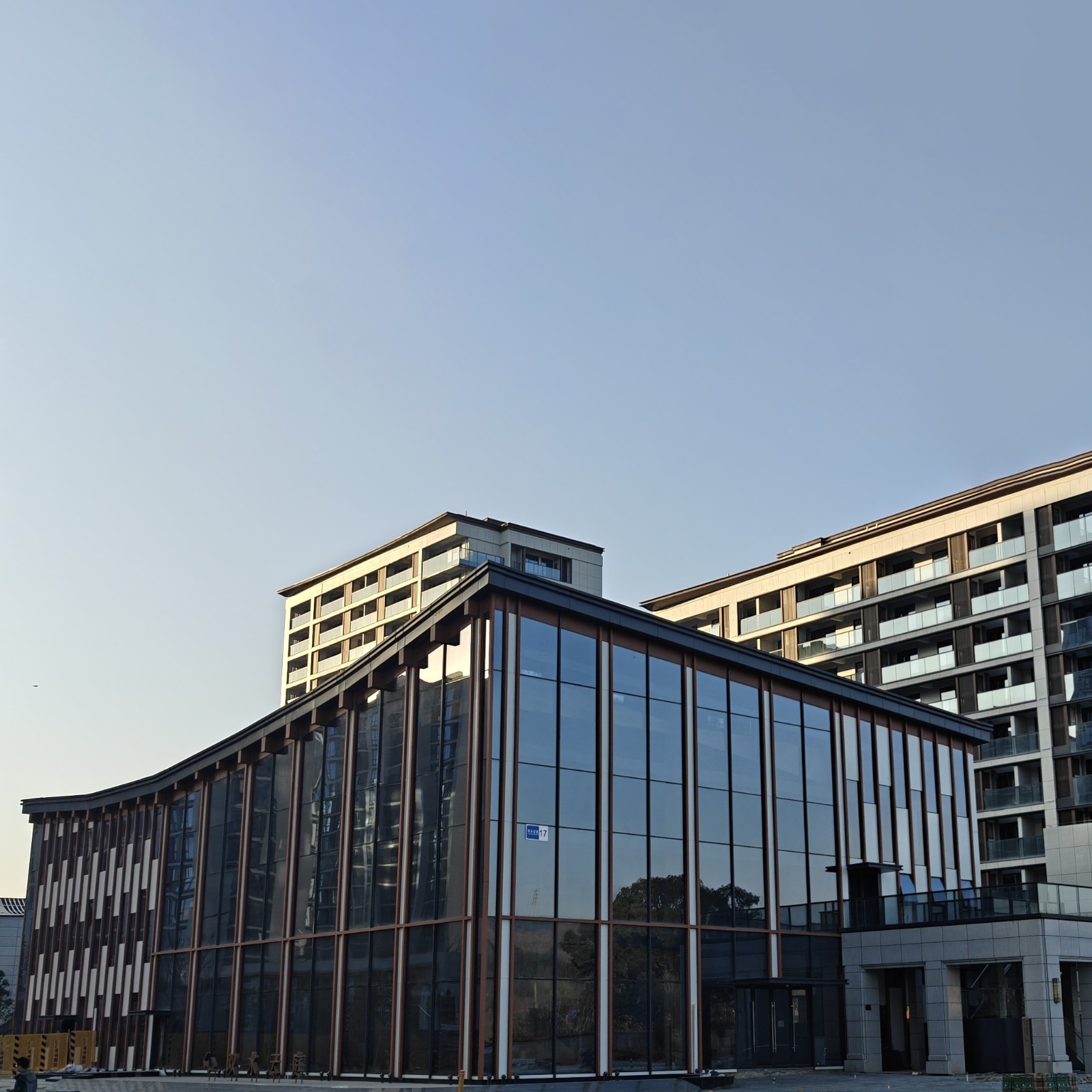
The Double-water Low-carbon Community Center stands as a milestone in sustainable architecture. As the first officially approved, large-scale multifunctional public building in China constructed primarily from engineered bamboo (glubam) frames and cross laminated bamboo and timber (CLBT) slabs, this project transcends traditional construction boundaries. Spanning 2,030 square meters with a height of 15 meters, the two-story facility serves as both a community hub and a tangible prototype for the future of eco-friendly urban living. It harmonizes renewable biomass materials with high-performance structural engineering to realize "Net-Zero" operation.
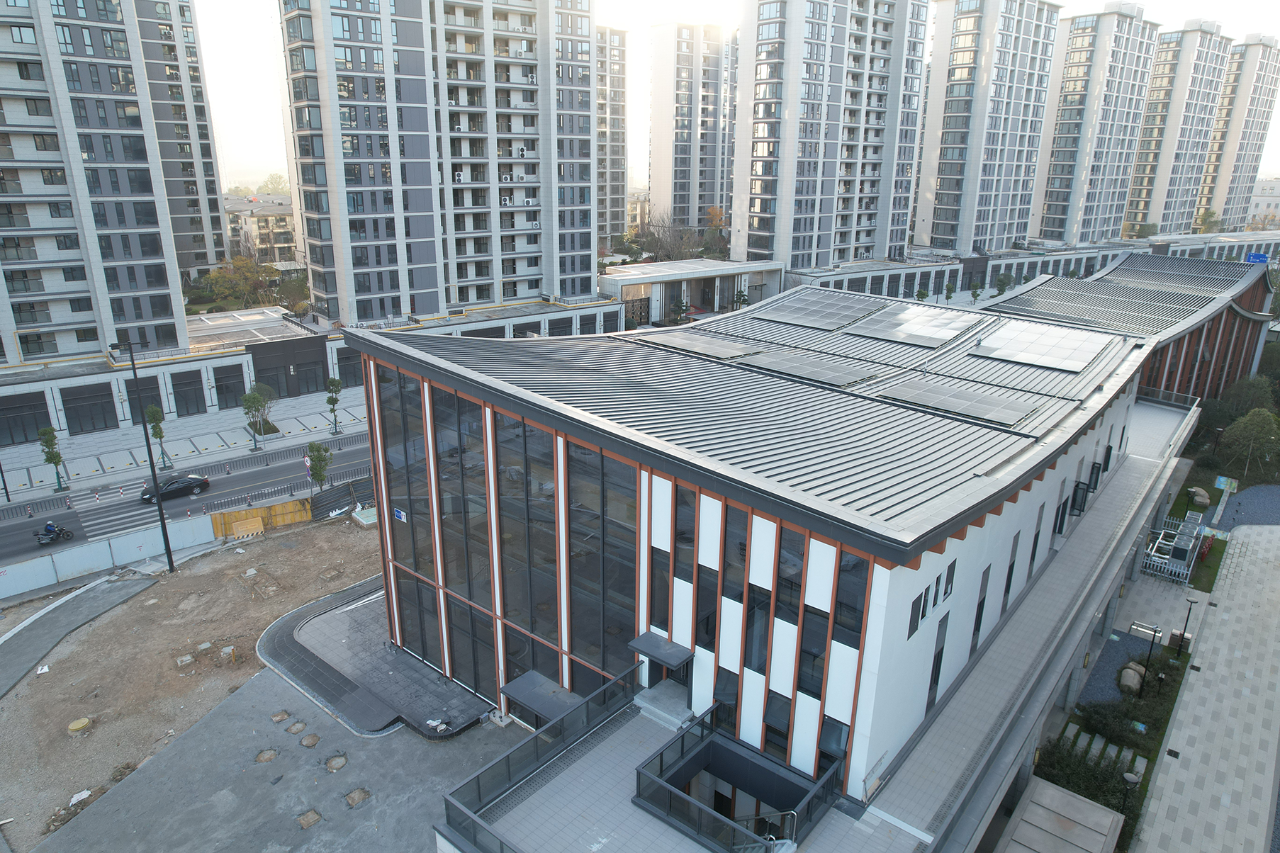
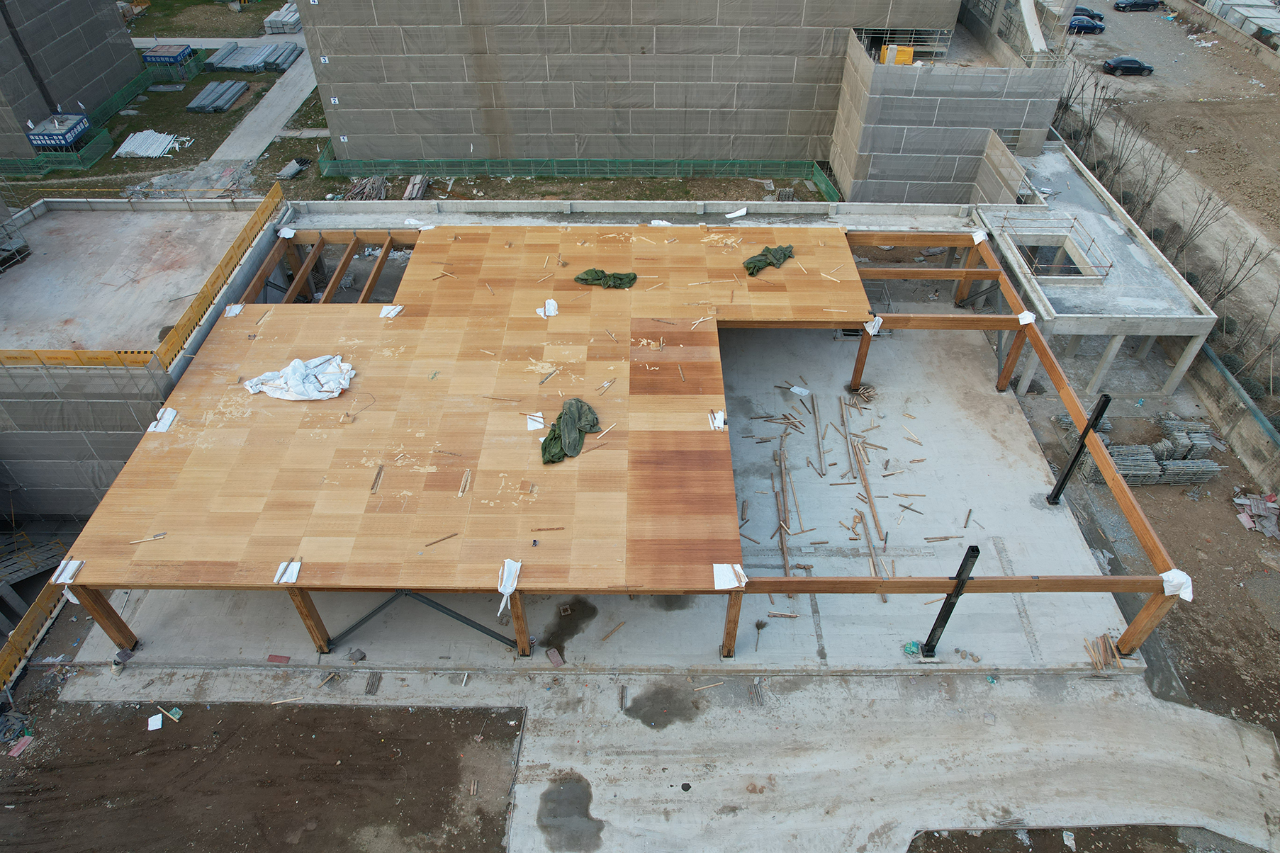
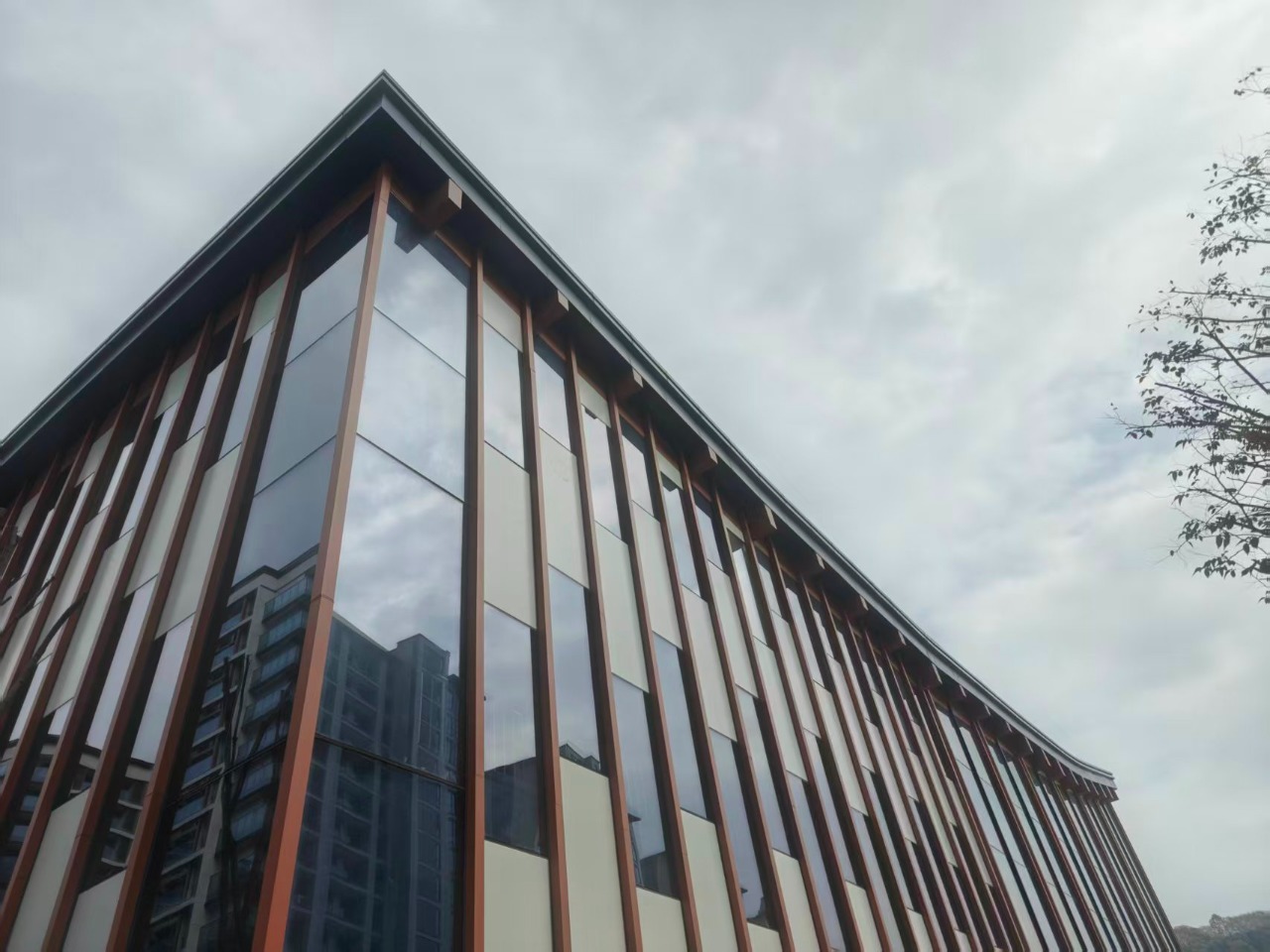
Guided by the concept of "Biophilia," the building mimics organic forms of nature. The design features a geometrically complex, curved roof constructed from Twist Laminated Bamboo Timber (TLBT) plates, evoking the fluidity of waves. This aesthetic warmth extends to the interior, where floor slabs utilize Cross Laminated Bamboo Timber (CLBT). The result is a space that breathes, offering a warm, tactile contrast to the concrete jungle and fostering a deep connection between the community and nature.
The project overcomes significant engineering challenges to validate glubam as a viable alternative to steel and concrete. The structural system employs a robust glubam beam-column frame working with steel bracing for lateral stability. A key highlight is the grand entrance hall, featuring a dramatic "skip-floor" configuration with a 16.2-meter span, achieved through precision-manufactured glubam beams.
To ensure safety in a region prone to typhoons and earthquakes, the design integrates hybrid columns encasing steel sections in high-stress zones. Rigorous quality assurance, including cold-press lamination technologies and in-situ full-scale vibration tests, confirmed that the structure meets all safety requirements. Construction utilized a modern "platform" method, allowing for rapid prefabricated assembly that minimized site disturbance and construction waste.
Sustainability is the core ethos of this project. Beyond the carbon sequestration inherent in bamboo, the center achieves a "Net-Zero" energy standard. A rooftop solar photovoltaic system acts as an active energy generator, complementing the passive energy efficiency of the high-performance bamboo envelope. Fire safety is meticulously managed through charring rate calculations and a whole-building sprinkler system, proving that bio-based materials can meet strict public safety codes.
The Double-water Low-carbon Community Center demonstrates that engineered bamboo is no longer merely experimental but a resilient, aesthetically powerful solution for large-scale infrastructure. By successfully navigating the complexities of large-span dynamics and renewable energy integration, this project provides a scalable blueprint for sustainable, low-carbon communities of the future.
Xiao-Lab, Ninghai County Architectural Design Institute and Zhejiang University - University of Illinois Institute (ZJUI)

The design team Xiao-Lab for the “Double-water Low-carbon Community Center” combines powerful synergy between regional engineering excellence and world-class sustainable material and structure research.
Established in 1979, the Ninghai County Architectural Design Institute is a premier state-owned enterprise and the leading technical authority for architectural and geotechnical design in Ninghai. Backed by a multidisciplinary team of registered experts, it delivers robust, end-to-end design solutions, ensuring structural safety, code compliance, and meticulous project management for complex public infrastructure.
Researchers at Zhejiang University – University of Illinois Institute (UIUC) have over 20 years of pioneering research establishment, specializing in engineered bamboo structures, notably glubam and bamboo - timber composite CLBT. By integrating material research and full-scale structural testing, the center provides cutting-edge, low-carbon technological solutions.