 International Architecture & Design Awards 2026
Garden Clinic
CSLab
Healthcare & Medical Facility Design
Garden Clinic — IADA 2026 award
Garden Clinic received Gold Winner recognition at the International Architecture & Design Awards 2026 in Healthcare & Medical Facility Design. Project status, design team and credits are listed alongside the presentation.
About the project
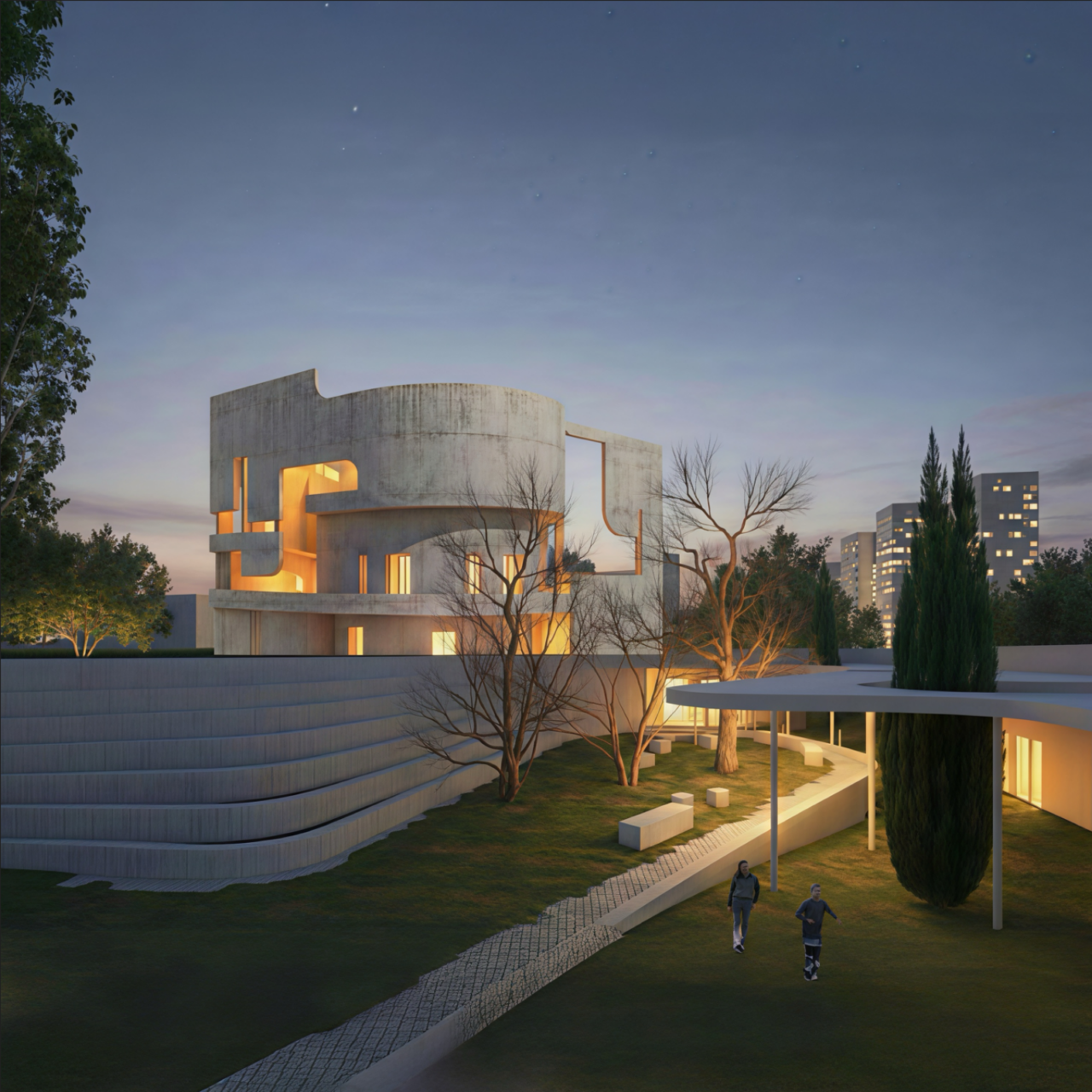
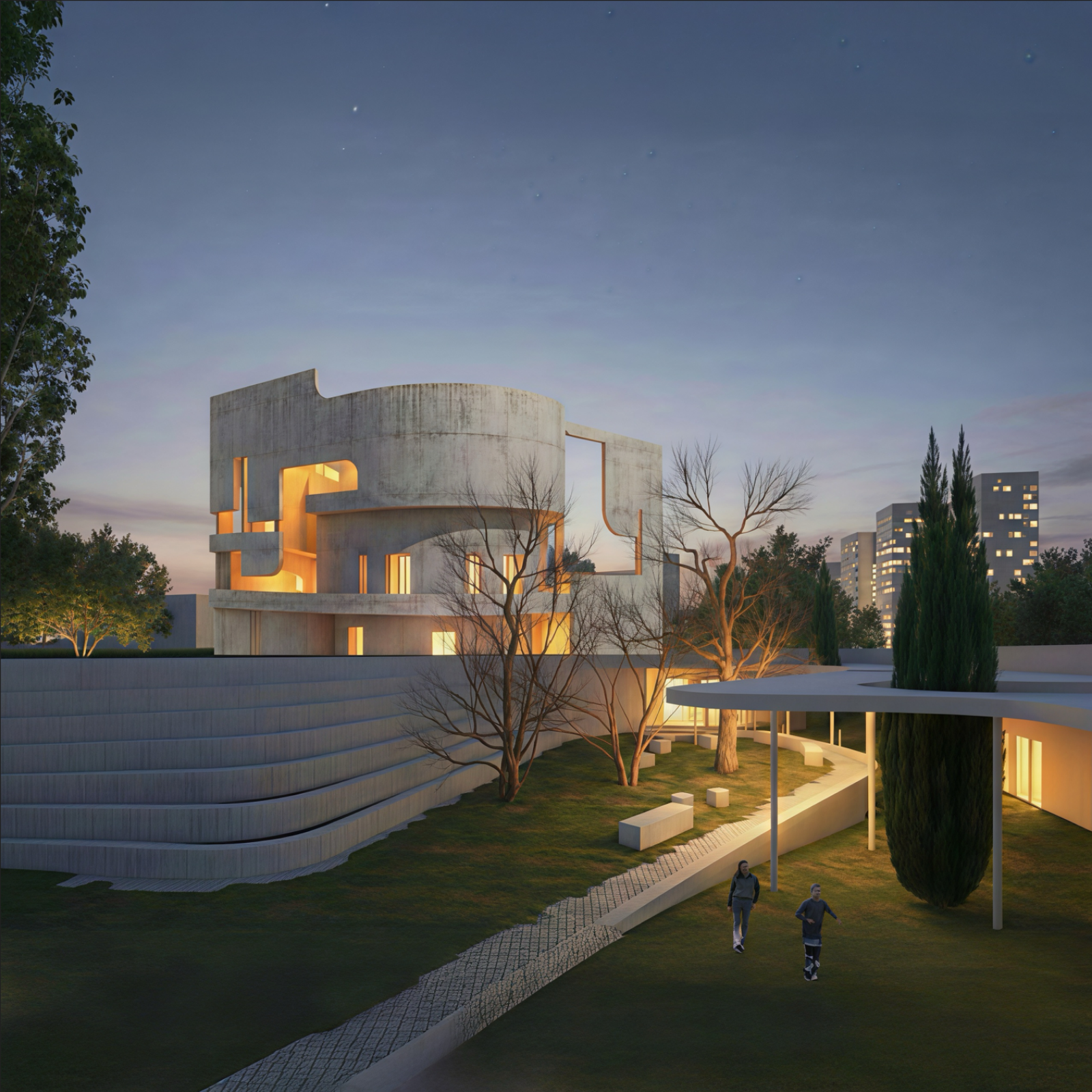
Garden Clinic is a healthcare facility prototype developed for Cornell University campus environment, exploring the relationship between medical space, landscape systems, and architectural privacy. The project responds to a unique spatial and social condition: how a reproductive healthcare facility can exist within an open academic campus while maintaining privacy, dignity, and environmental continuity.
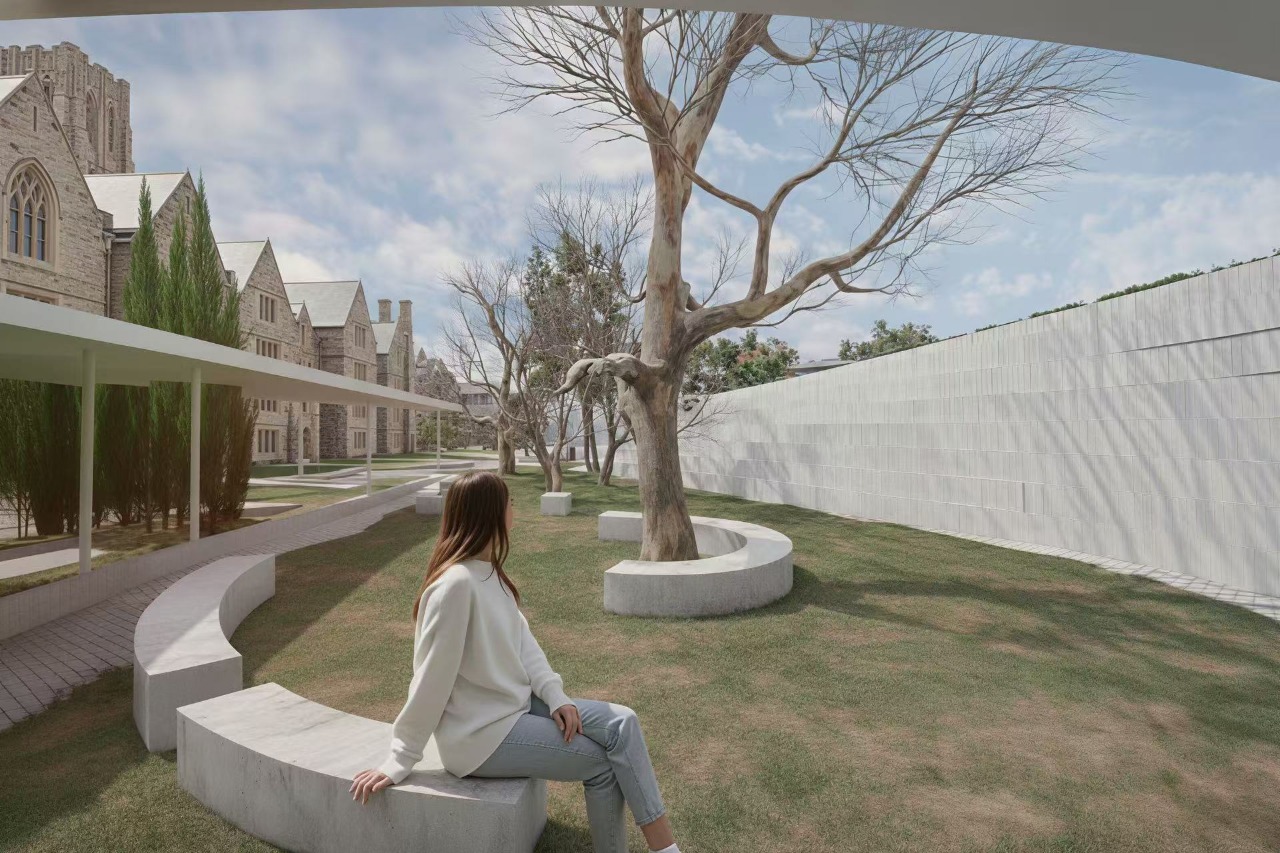
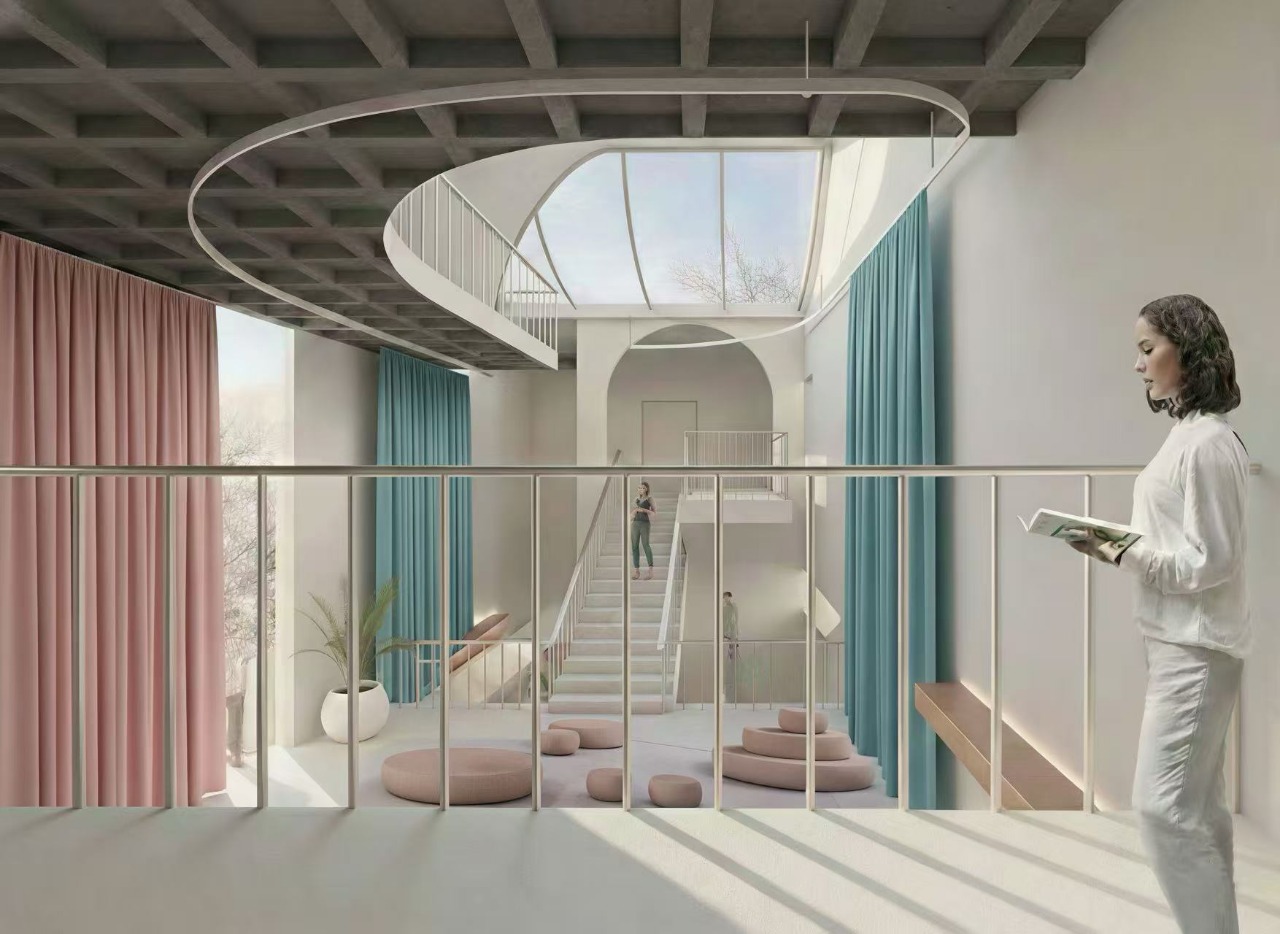
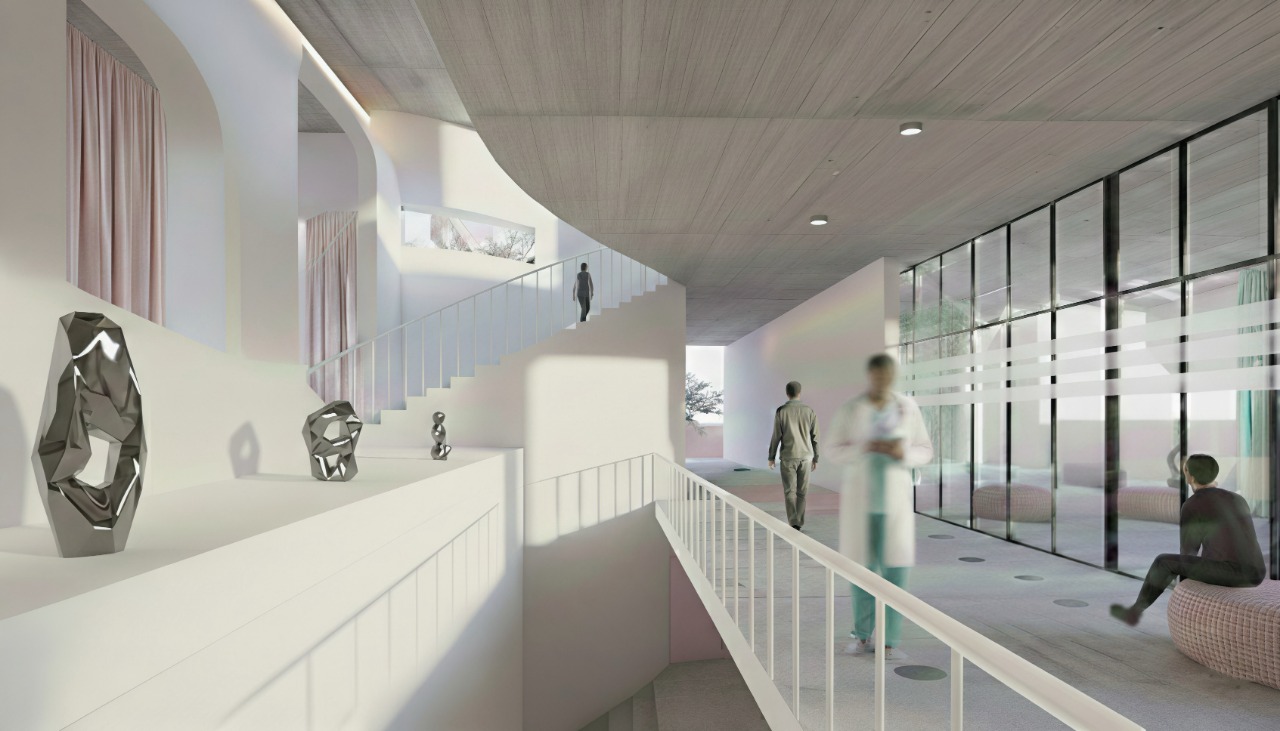
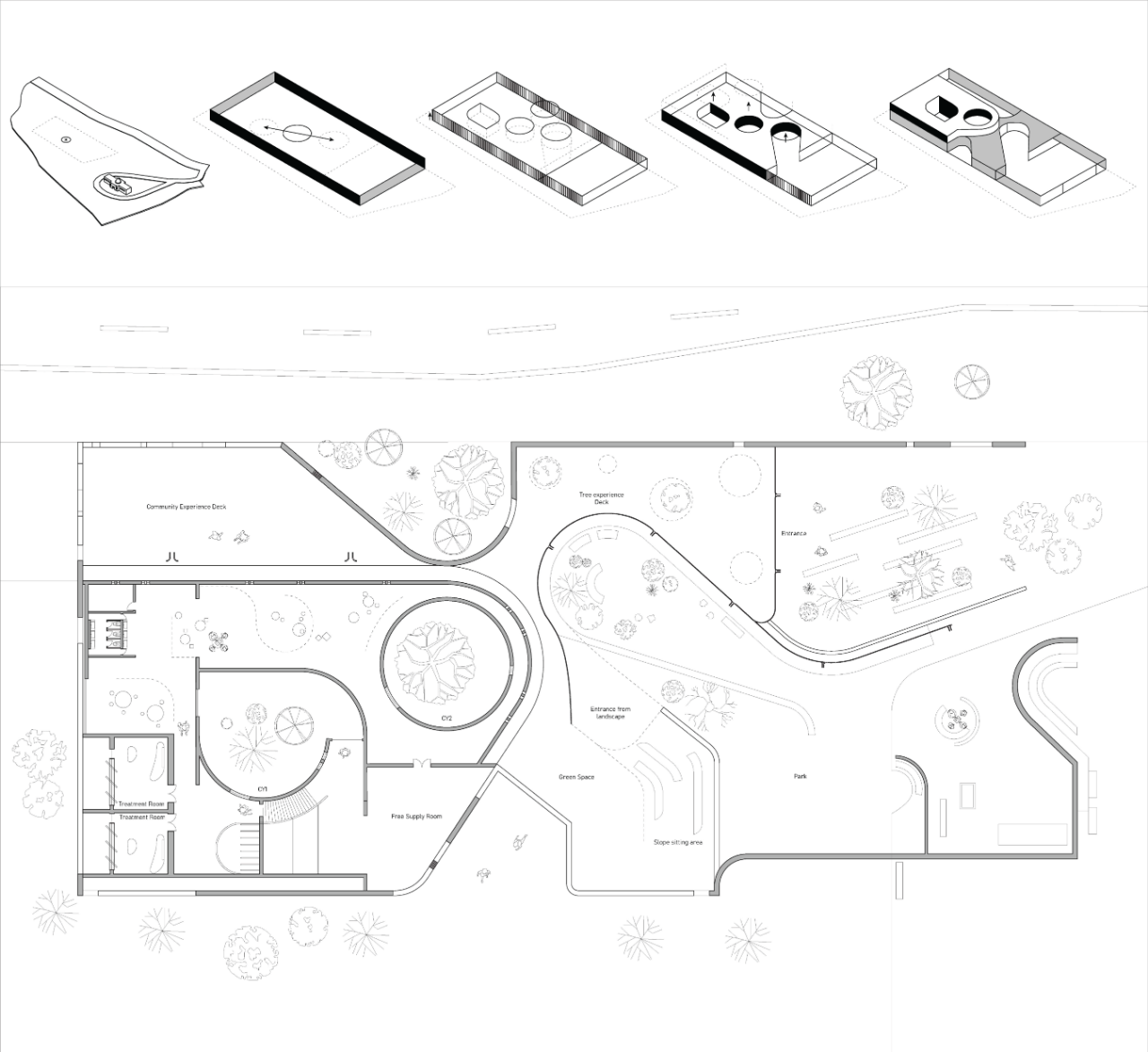
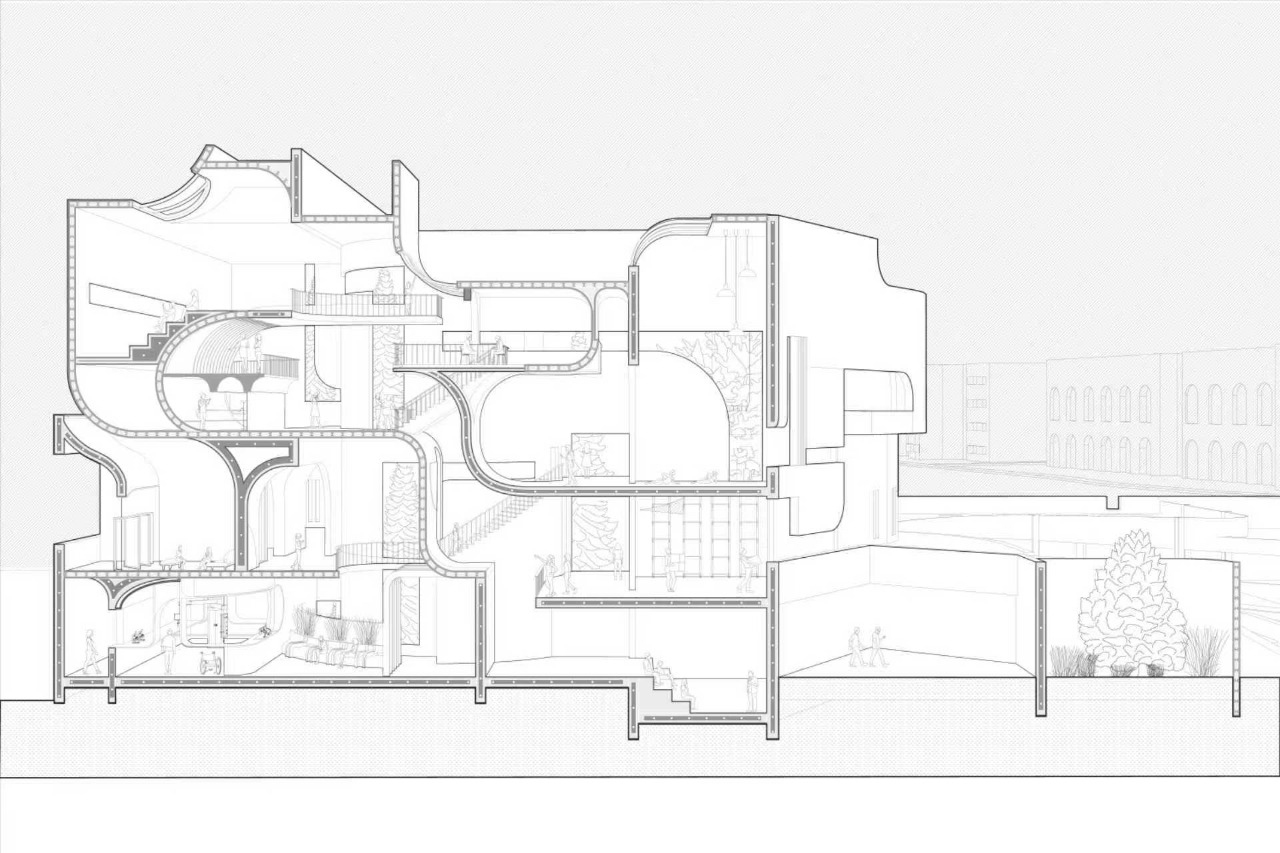
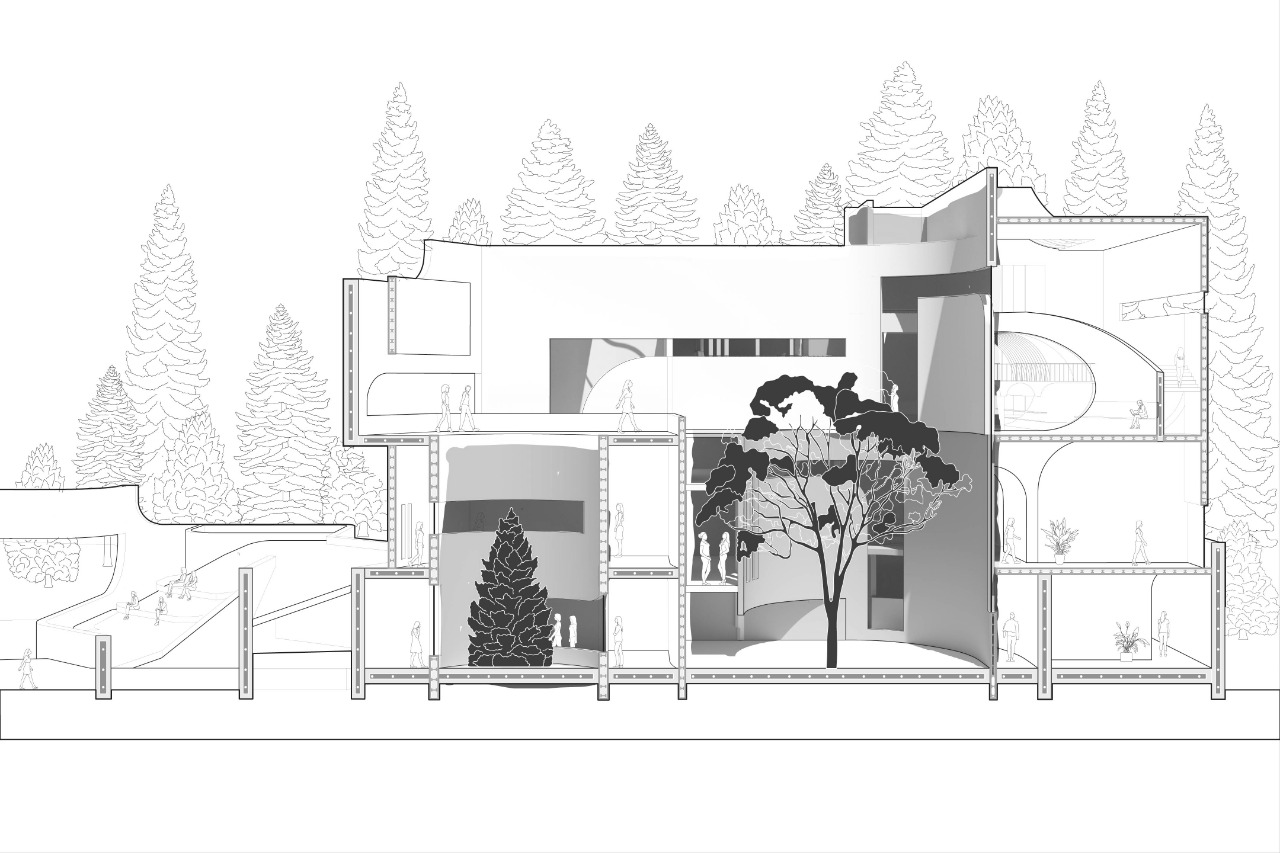
Instead of treating the building as a standalone object, the project integrates gardens, circulation, and medical spaces into a continuous spatial system. A series of enclosed and semi-enclosed garden courtyards are embedded within the building, allowing landscape to function as both environmental buffer and psychological transition space. These gardens reduce direct visibility into medical areas while providing natural light, ventilation, and a calming environment for patients and staff. The spatial organization allows visitors to move through layered garden spaces before entering clinical areas, transforming the experience from entering a medical facility into moving through a landscape environment.
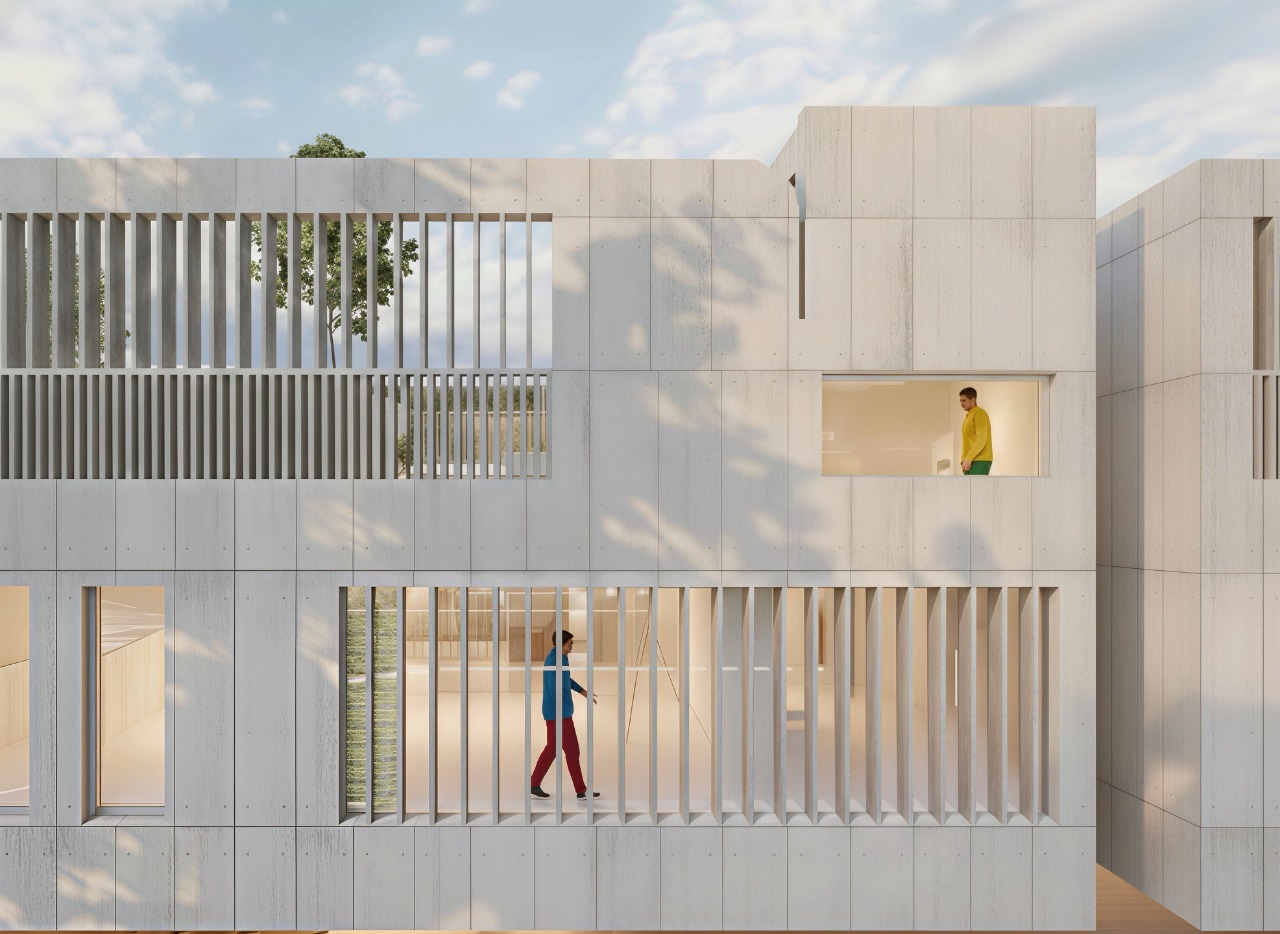
The building envelope and structure are designed to support this spatial strategy through a coordinated prefabricated panel system. Structural panels and facade elements are developed as modular components that can be fabricated off-site and assembled on-site together with landscape retaining elements. This construction approach allows the building and garden infrastructure to be constructed simultaneously while minimizing site disturbance and improving construction efficiency.
By integrating landscape design, healthcare architecture, and prefabricated construction strategies, Garden Clinic proposes an architectural approach in which spatial experience, environmental performance, and construction logic are developed together. The project explores how architecture can create privacy without isolation, and how fabrication and construction systems can support spatial and environmental design rather than simply follow it.