 International Architecture & Design Awards 2026
Green Modular Home
XMArchitect
Pop-ups, Temporary & Modular Structures
Green Modular Home — IADA 2026 award
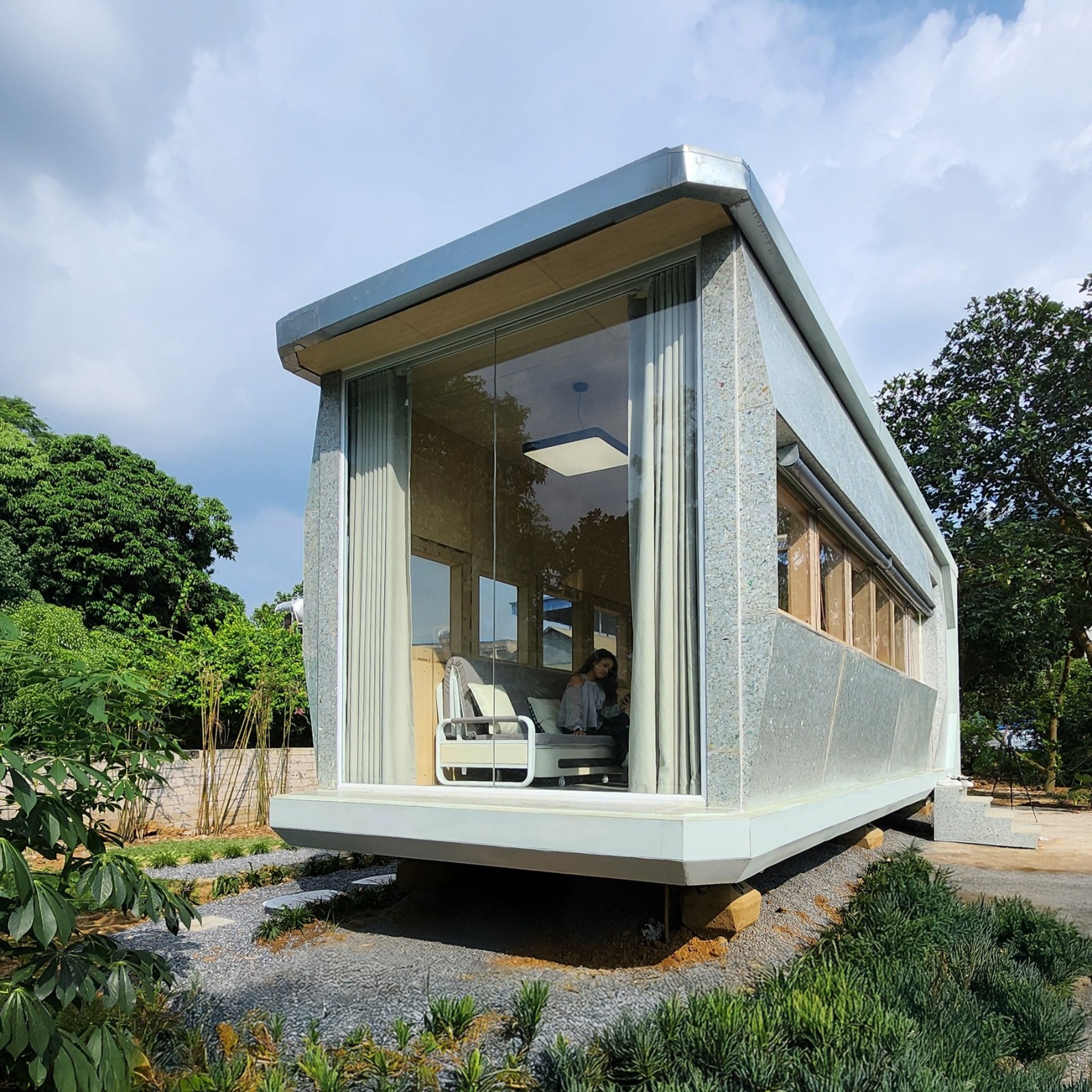
Green Modular Home received Platinum Winner recognition at the International Architecture & Design Awards 2026 in Pop-ups, Temporary & Modular Structures. Project status, design team and credits are listed alongside the presentation.
About the project
FROM ADAPTIVE MODULE STRUCTURE TO MULTIFUNCTIONAL ECOSYSTEM
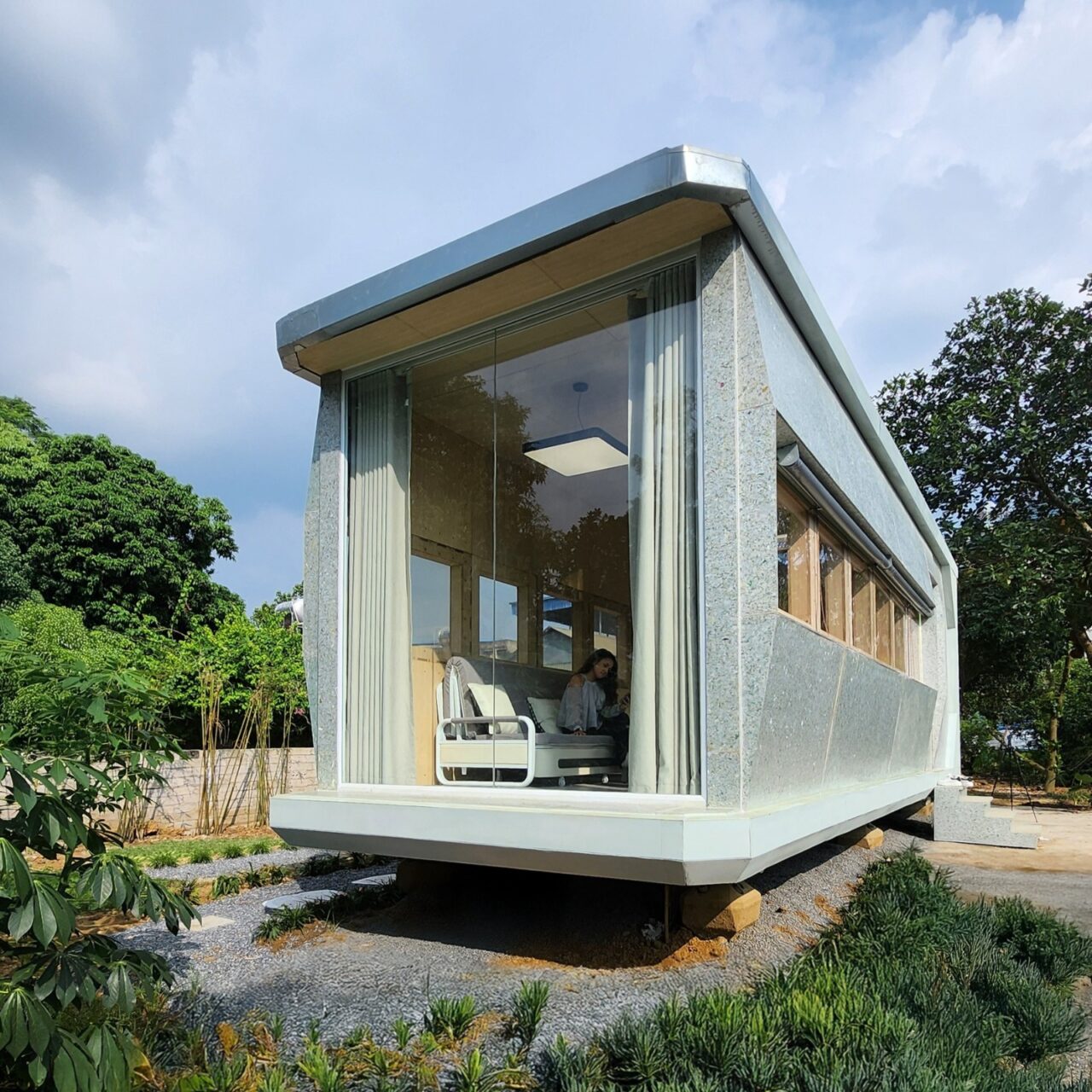
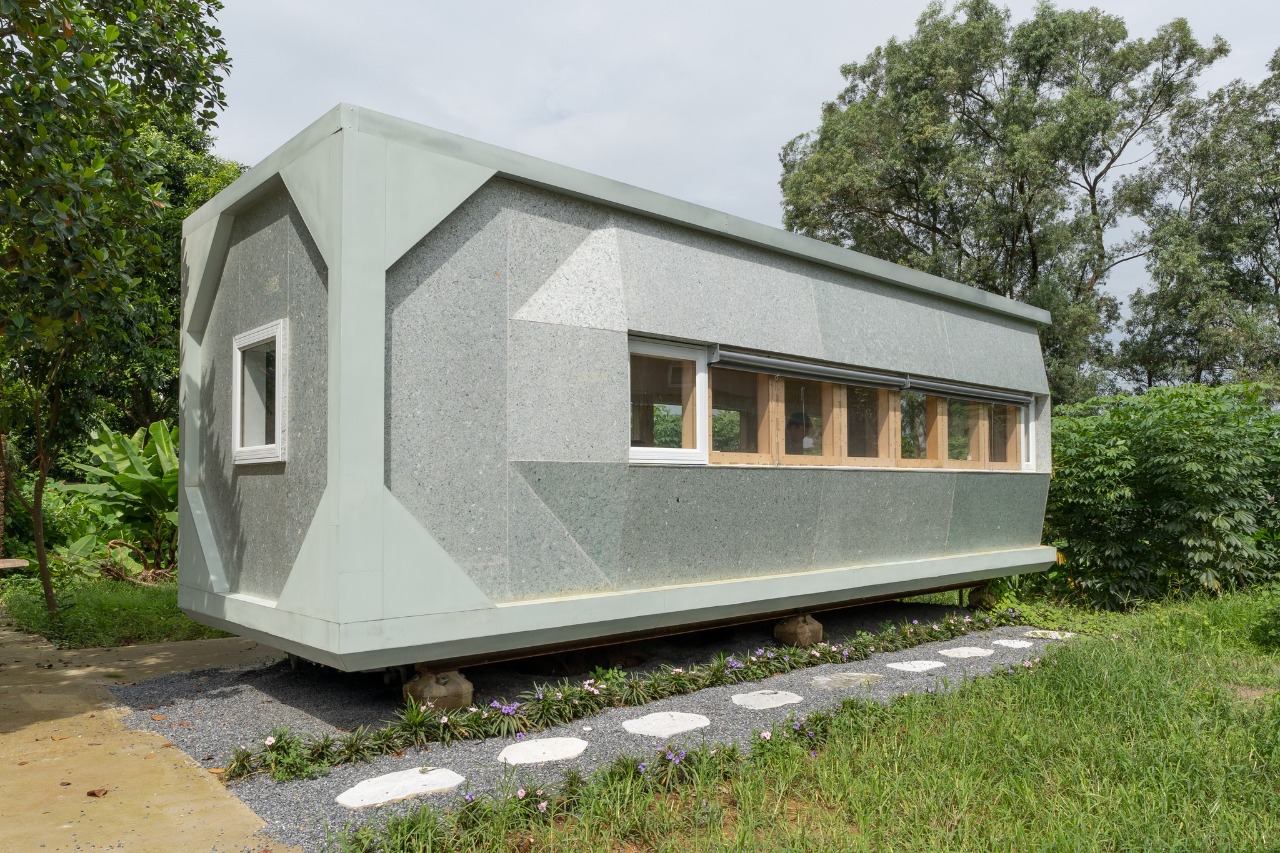
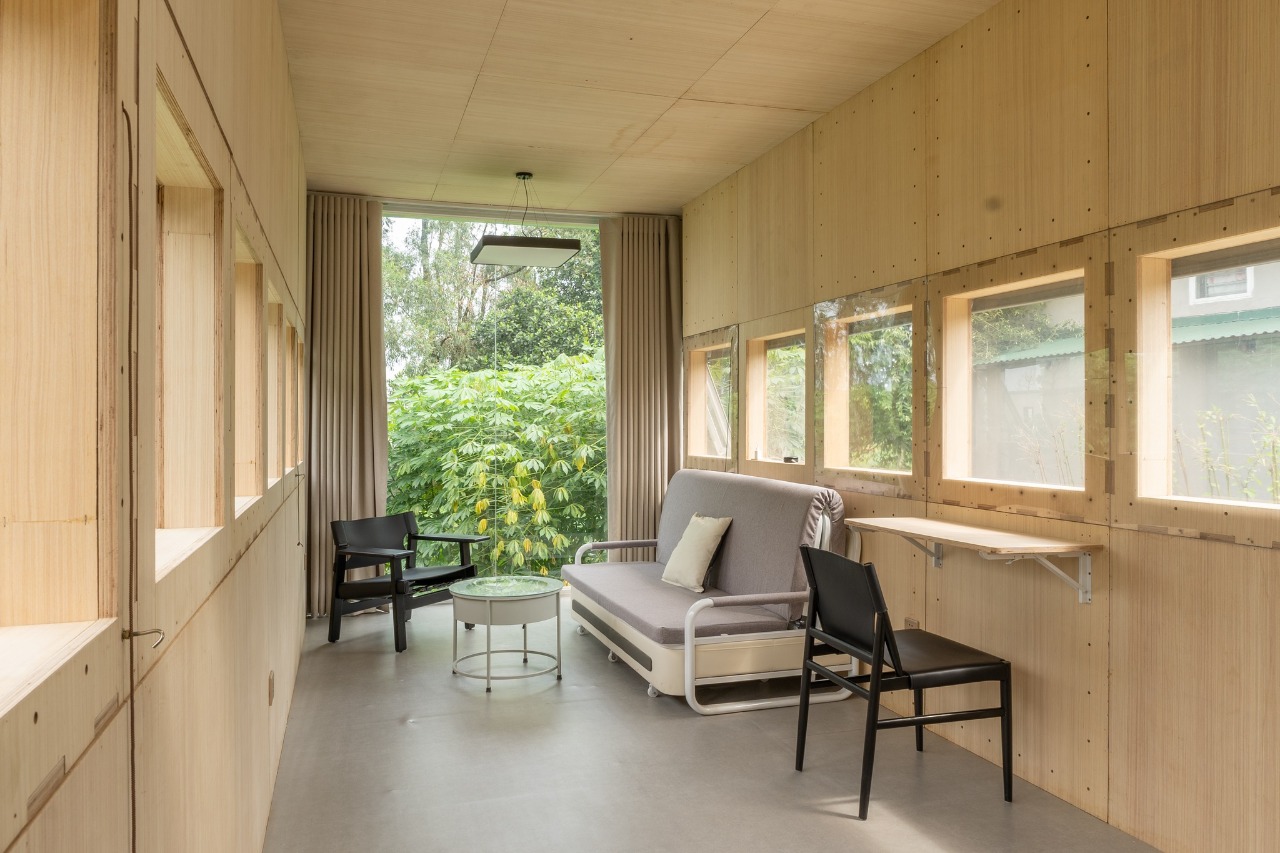
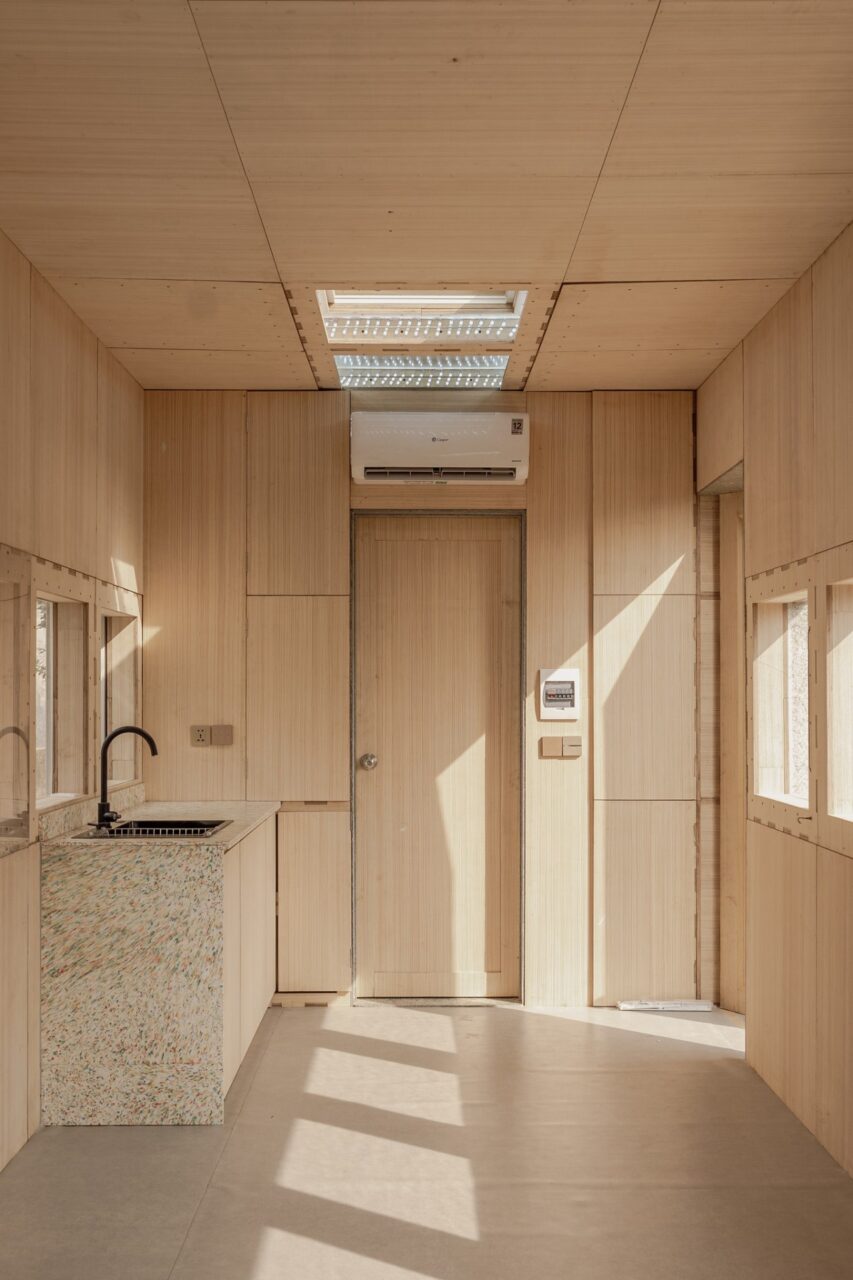
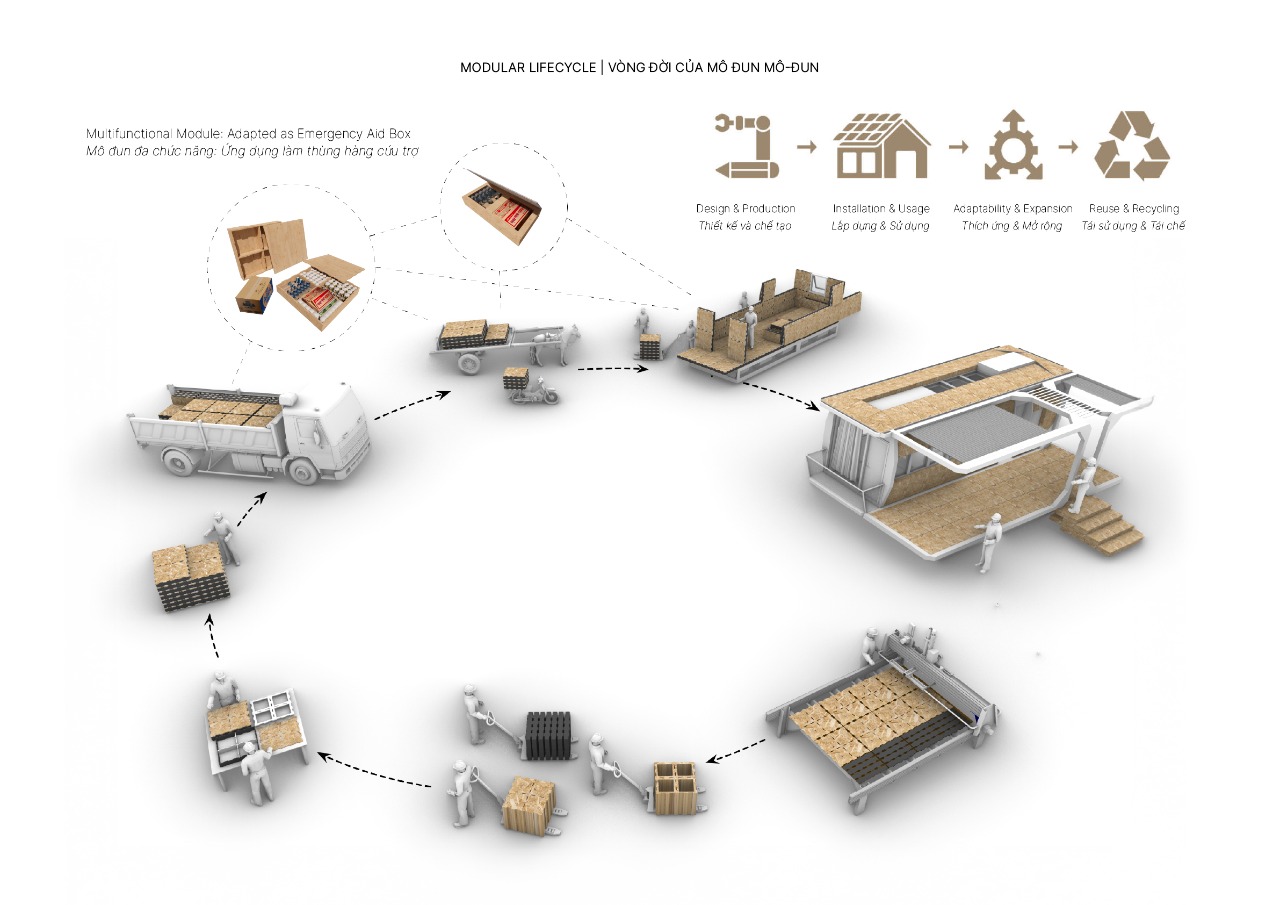
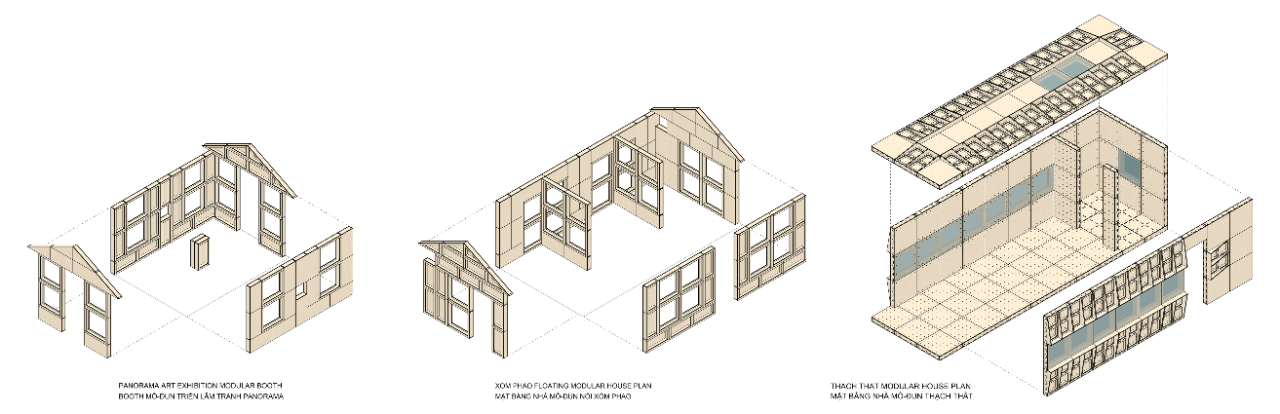
The project is shaped by a progressive architectural mindset: viewing the building not as an immutable mass, but as an assembly of "basic cells" with the capacity for growth. We reduced the design language to the most fundamental geometric shapes, turning design and construction into a large-scale Lego game. This strategy creates an "Open System." The primary materials are wood and recycled plastic waste, which are both eco-friendly and create a sustainable cycle for the construction industry. Thanks to the standardized modular structure, each building block can be prefabricated in a factory, transported compactly, and quickly assembled on-site, even in areas with challenging terrain, narrow alleys, or high mountains where traditional construction faces significant difficulties. The system's ability to adapt its form has been sharply demonstrated through three architectural typologies in three completely contrasting contexts:
Thach That Garden House (Rural & Retreat Context): The modular blocks are linked to form a sturdy living space, integrated with the natural terrain. Here, the structure serves as a robust skeleton, replacing traditional concrete construction methods, minimizing intrusion into the existing land and indigenous ecosystem.
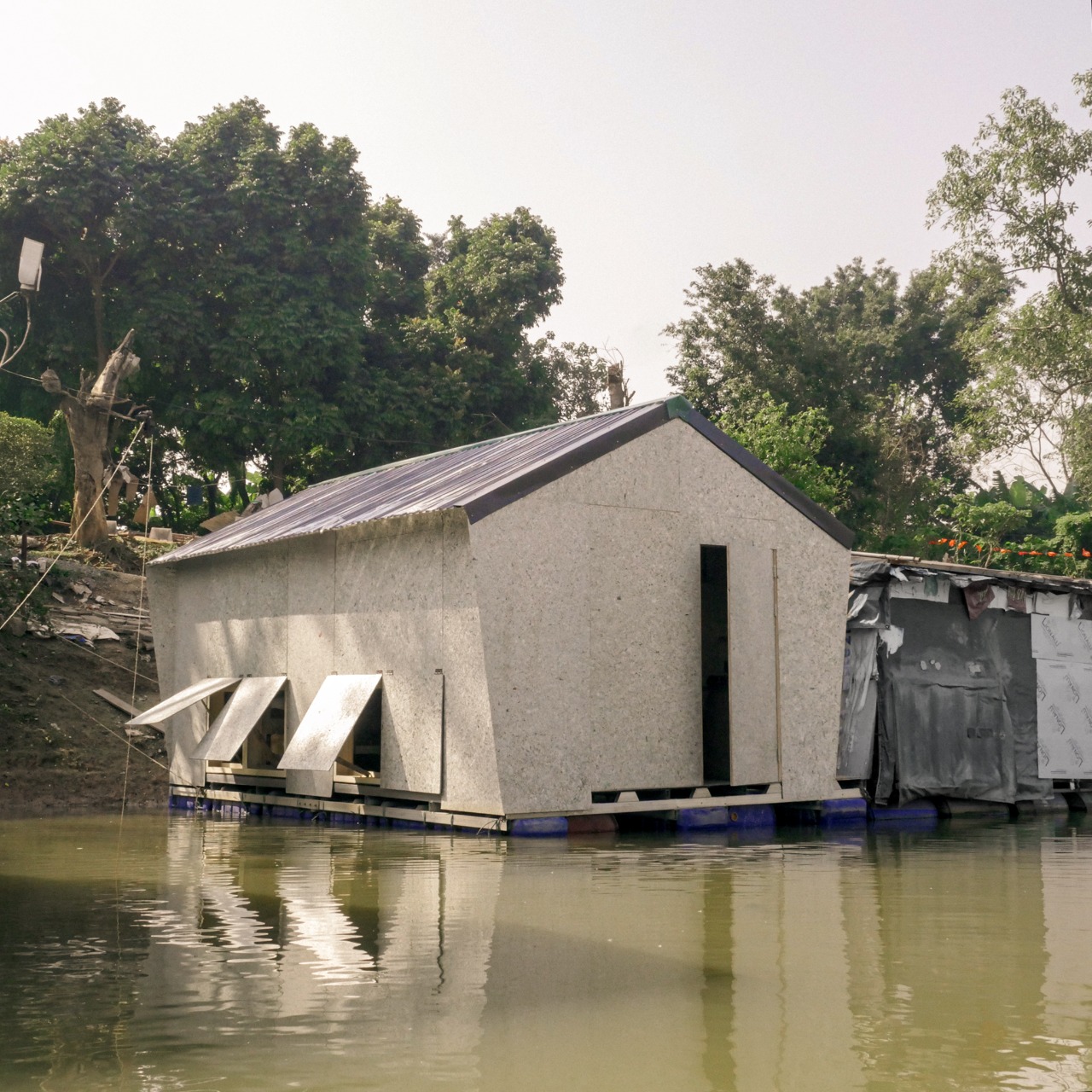
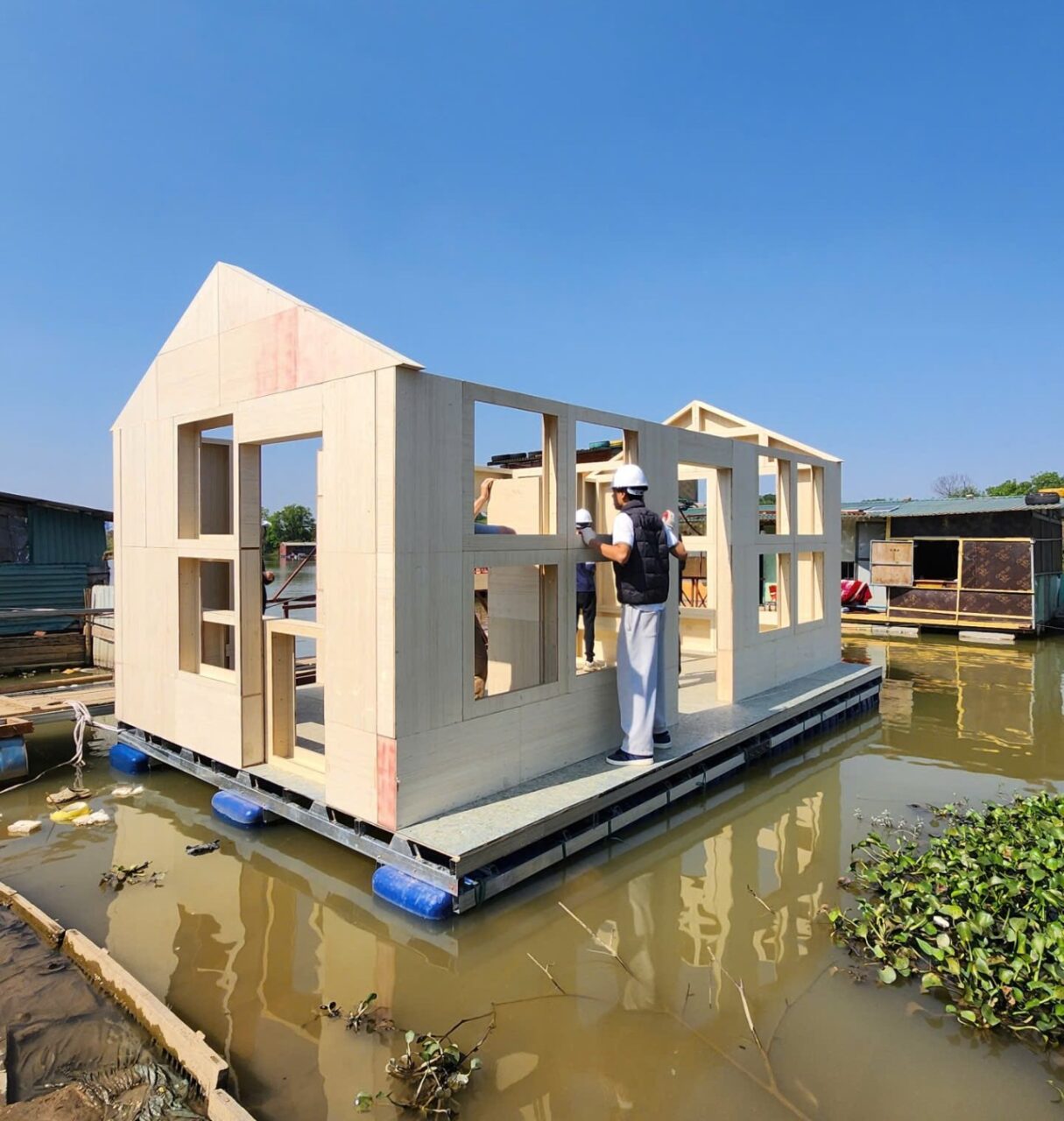
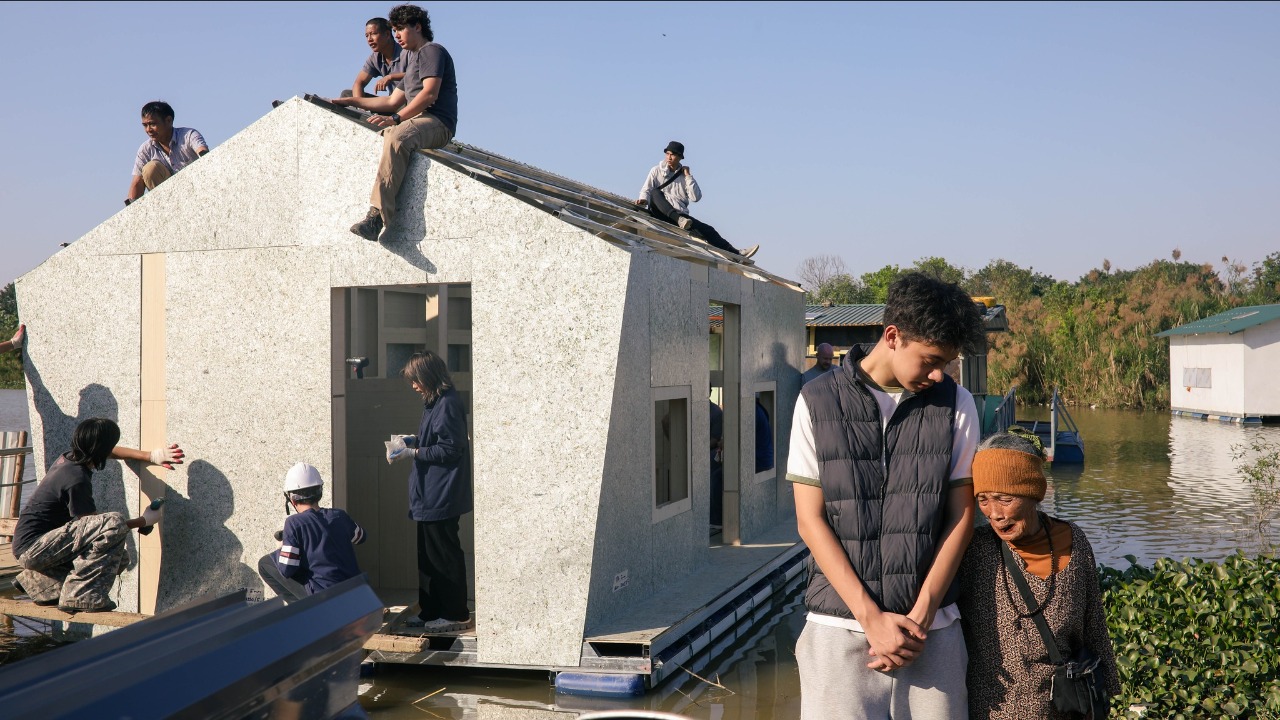
Floating House in Xom Phao (Waterfront & Social Context): The system transforms into a disaster-adaptive housing solution. Thanks to the lightweight nature of the plywood frame and recycled plastic shell, the house easily incorporates a float system to operate stably on the water. The "modularization" maximizes the advantage of speed: the lightning-fast assembly process helps meet the urgent need for shelter for vulnerable communities.
Exhibition Booth (Urban & Event Context): In public spaces, the modules demonstrate flexibility and modern aesthetics. The structure proves its ability to be quickly assembled and disassembled without leaving construction waste. This serves as a precursor for future mobile exhibition space applications.
The project's strategic direction is to establish a multifunctional housing system. In the future, the modular blocks will be designed with integrated transport capabilities: turning each house module into a relief cargo container, which can be air-dropped or transported by truck to disaster zones and immediately opened into a safe shelter. Simultaneously, the absolute standardization of connection details provides a perfect database for applying robotic arms and automated production lines to construction. This step will shift the construction industry from manual labor to precise industrial manufacturing, ushering in an era of large-scale, consistently high-quality prefabricated housing.
The project not only solves the problem of green architectural materials or living space but is a comprehensive solution for architecture's adaptation to environmental and social changes
Project films