 International Architecture & Design Awards 2026
Manhattan Pet Adoption Center
Studio joseph
Renovation, Restoration & Adaptive Reuse
Manhattan Pet Adoption Center — IADA 2026 award
Manhattan Pet Adoption Center received Gold Winner recognition at the International Architecture & Design Awards 2026 in Renovation, Restoration & Adaptive Reuse. Project status, design team and credits are listed alongside the presentation.
About the project
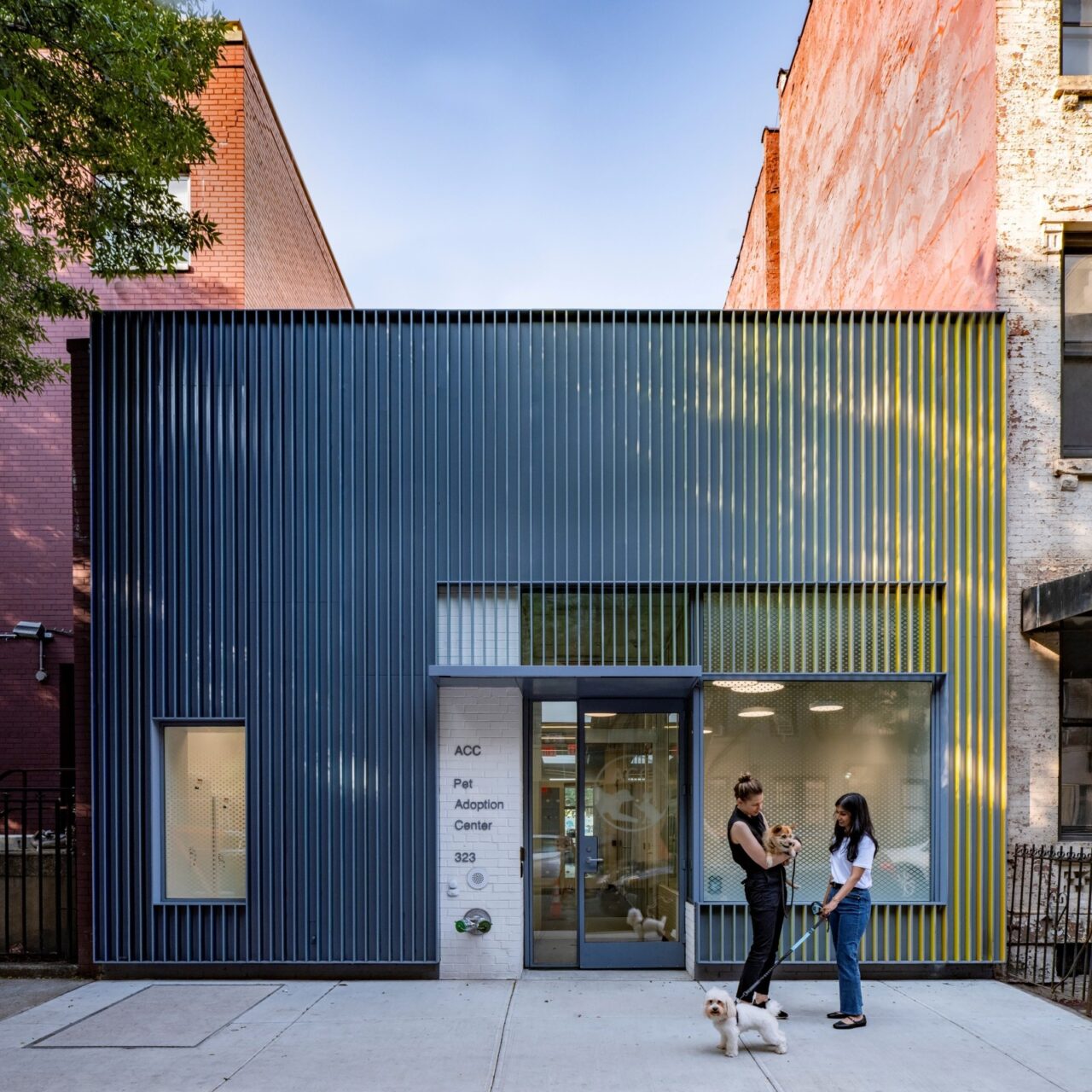
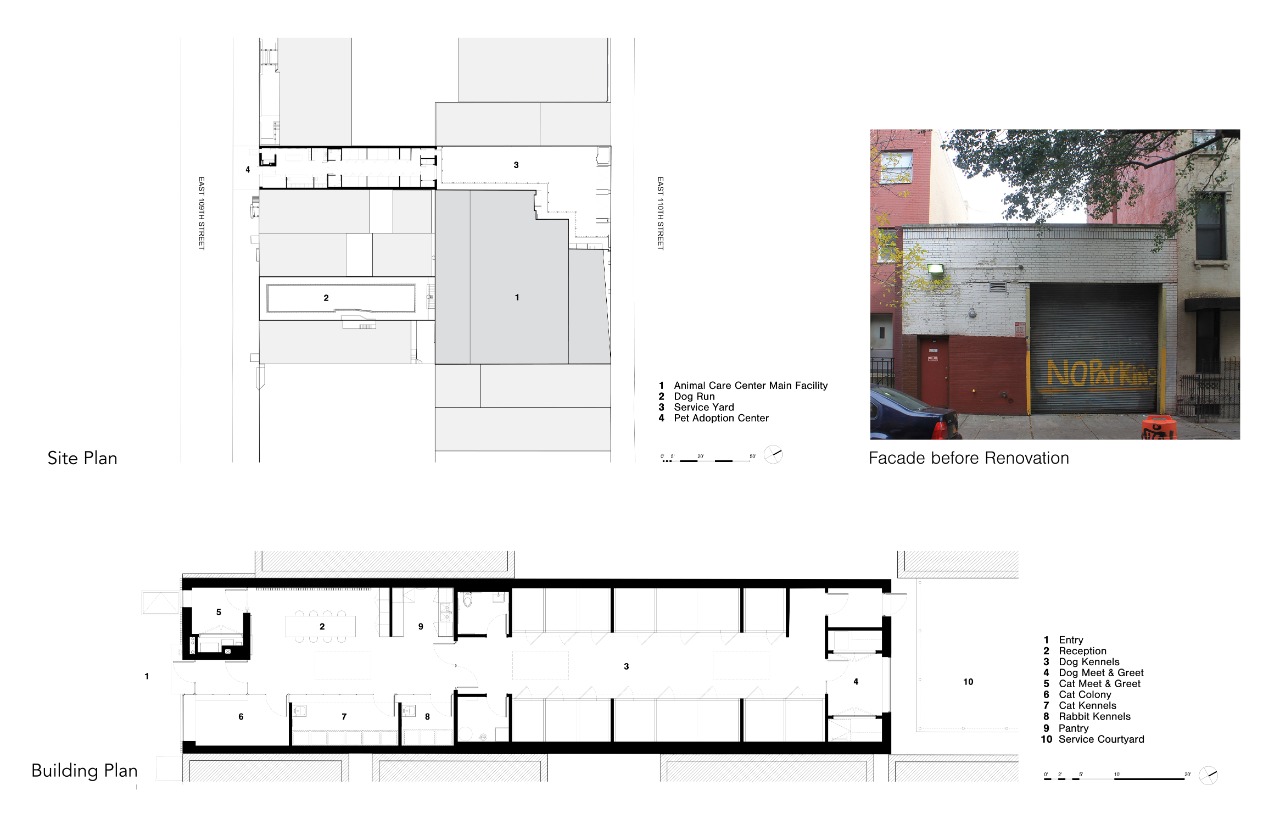
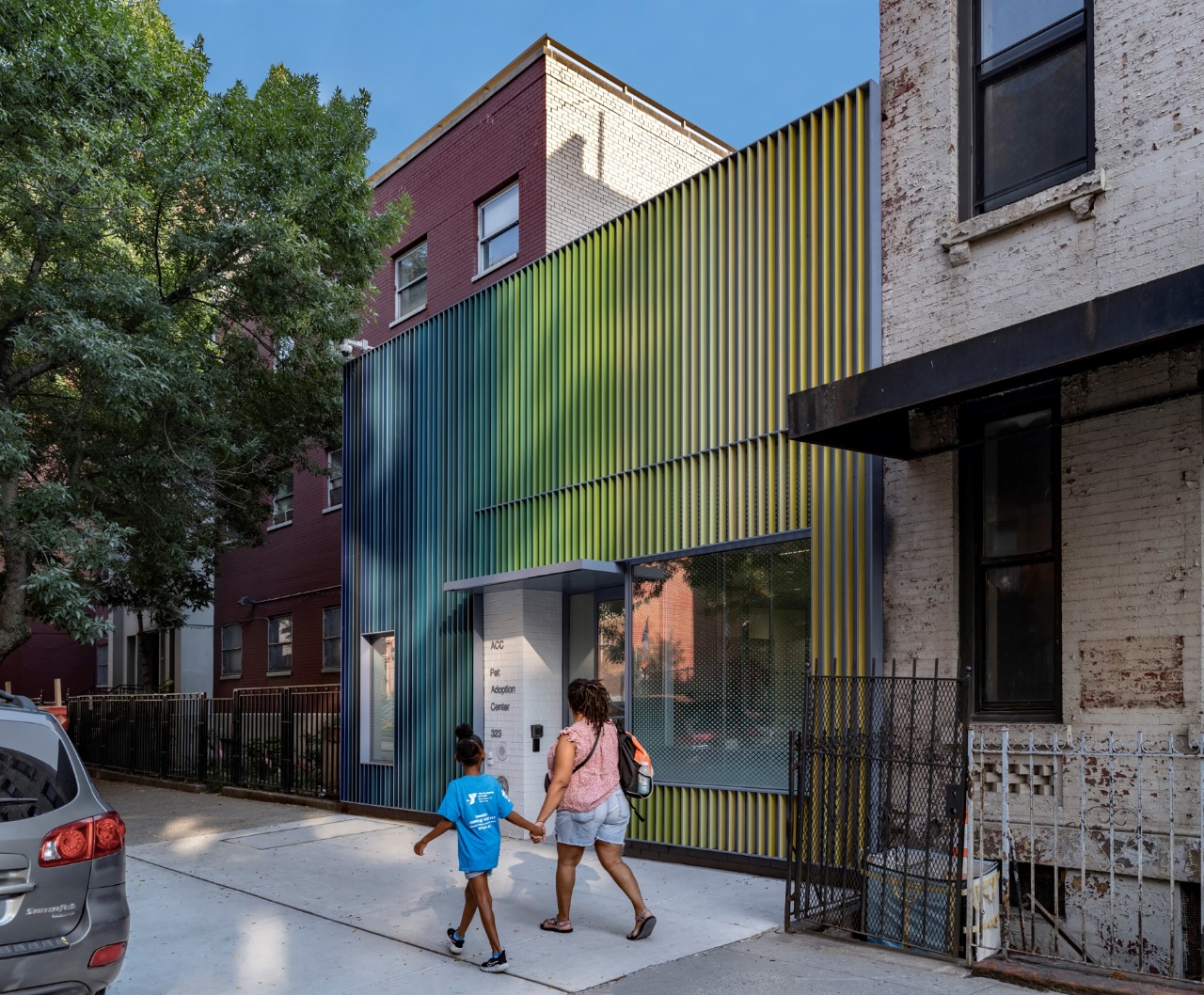
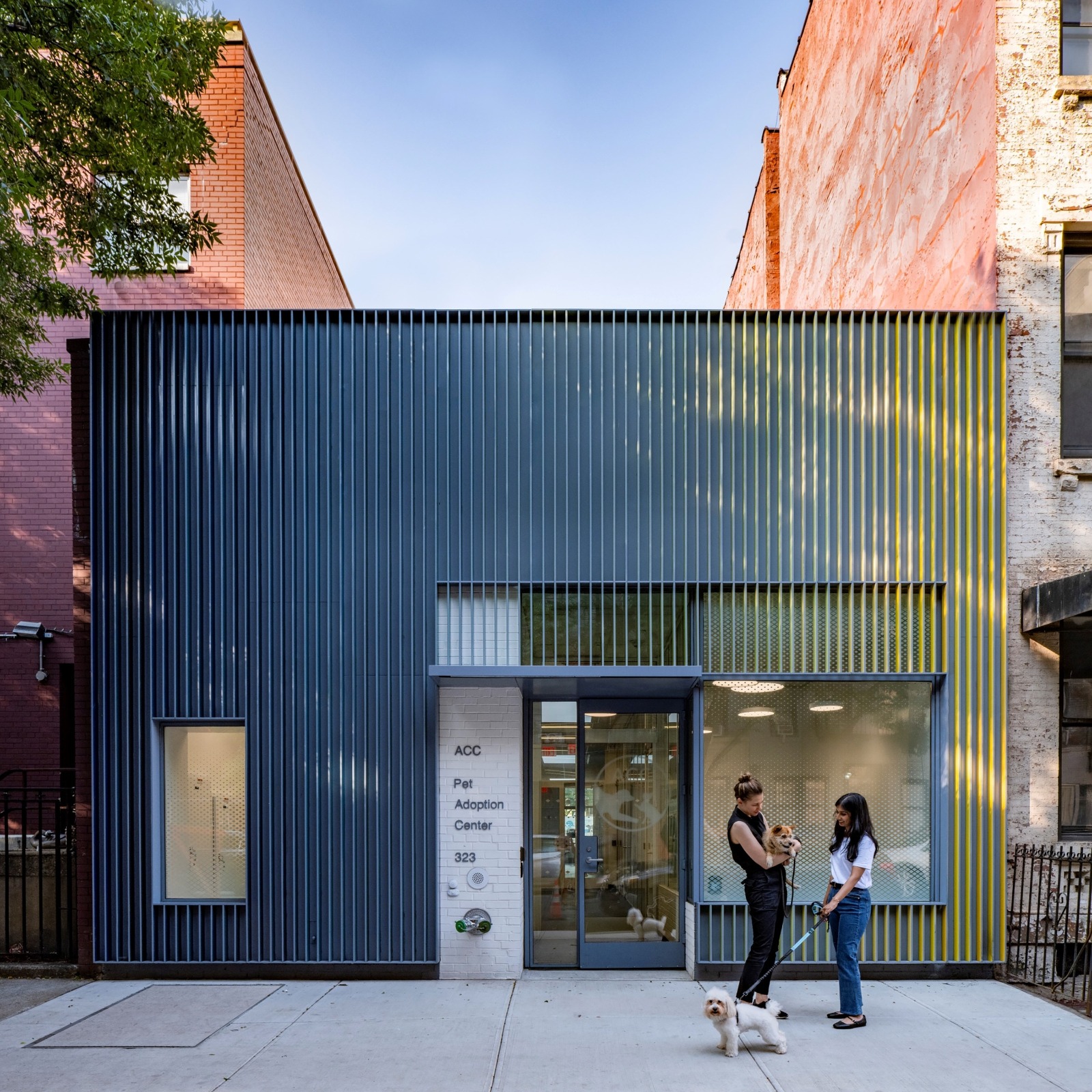
The Animal Care Center’s adoption facility in East Harlem fosters a friendly, open environment for the community. It is dedicated solely to finding homes for abandoned cats and dogs. The project is an adaptive reuse of an underutilized 1930s garage. The renovation of this one-story structure is not only a sustainable gesture but also preserves the historic scale of this rapidly gentrifying residential neighborhood. The facility will also enhance safety through its active street presence, client base, and hours of operation.
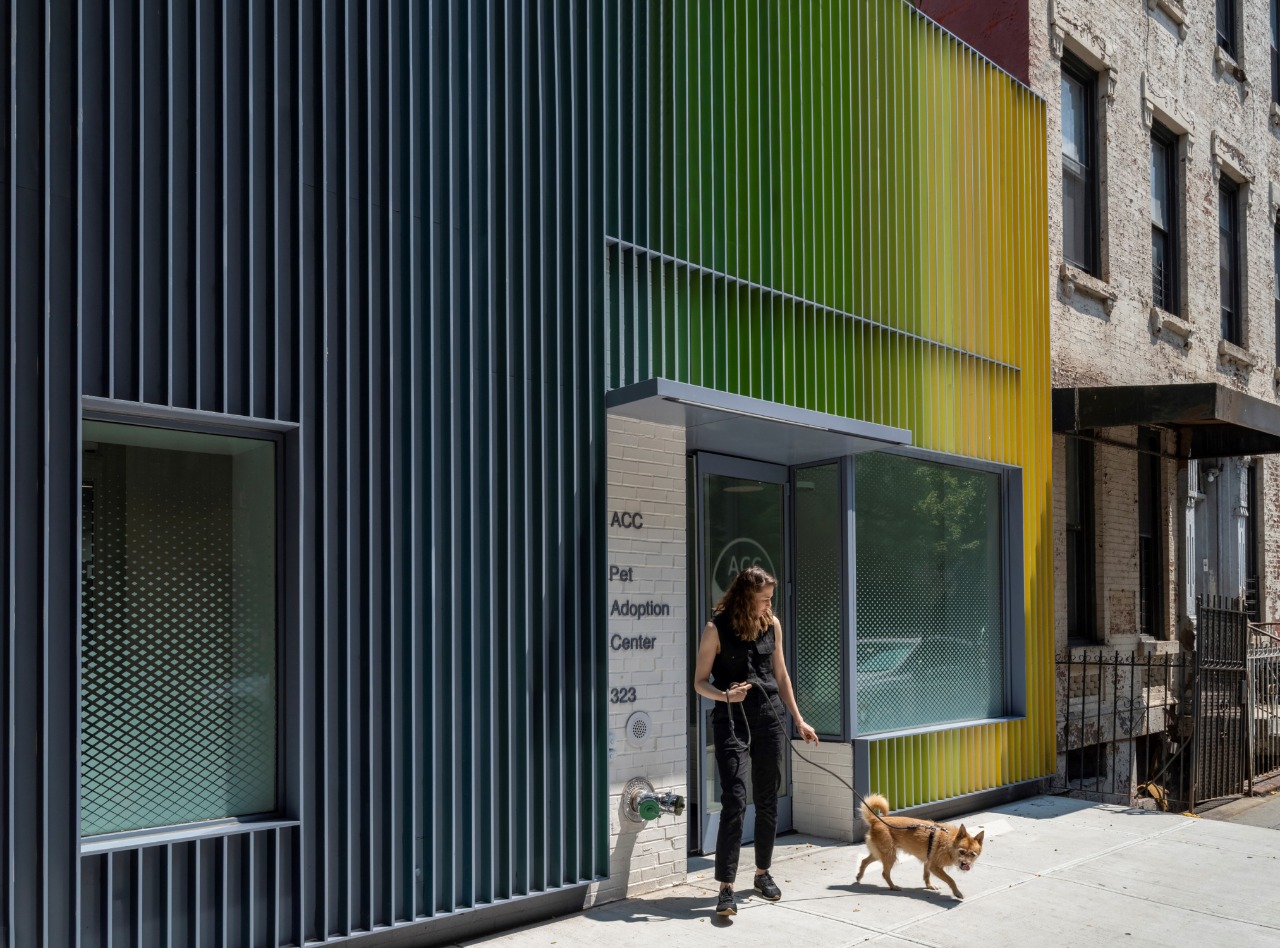
The design maintains the existing openings (garage door, entry door, and window) and three internal skylights. Structural reinforcing for the brick party walls and shouldering for the wood joist roof were part of an overall stabilization of the shell. A small underground utility room is hardened for resiliency. The project received LEED Silver certification, as it minimizes energy use while providing the required high levels of sewage treatment, lighting, and resiliency for high-pressure cleaning.
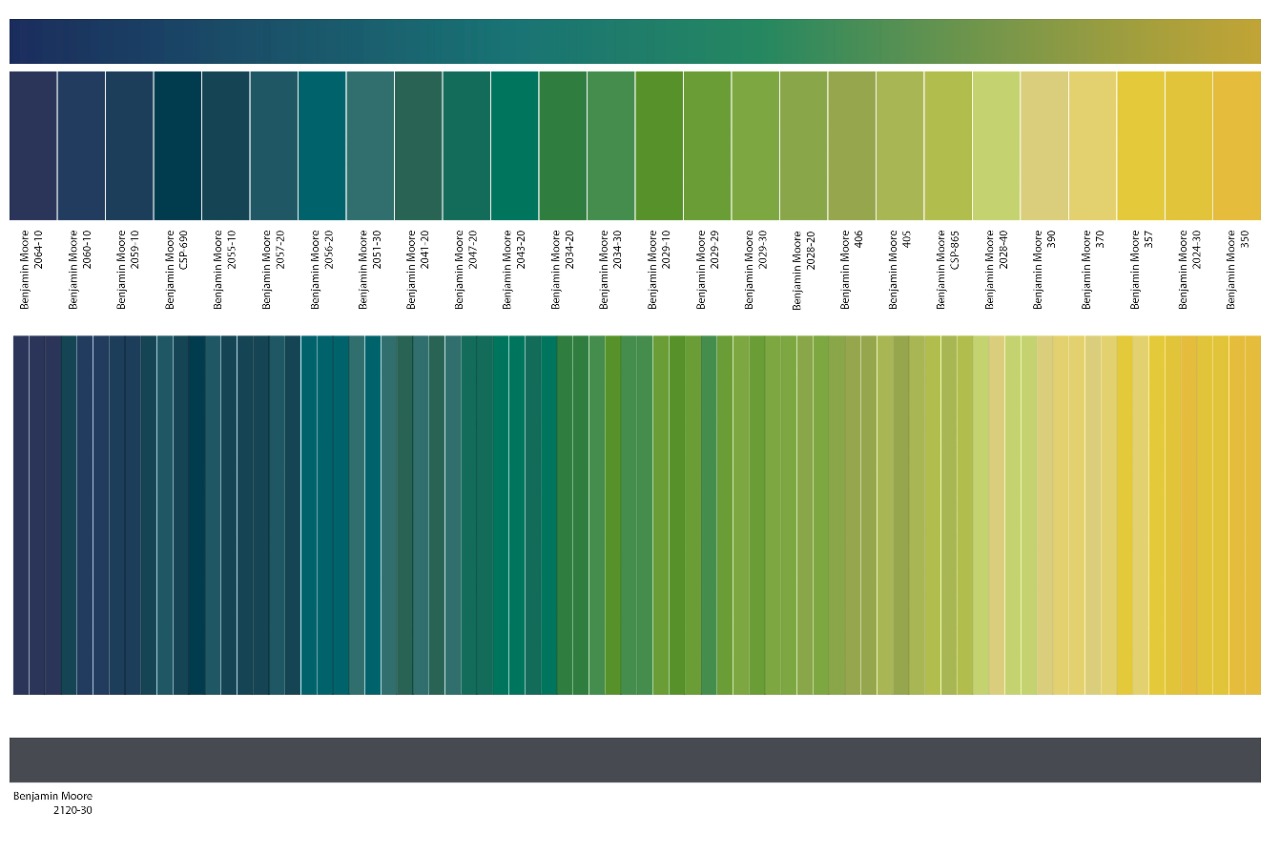
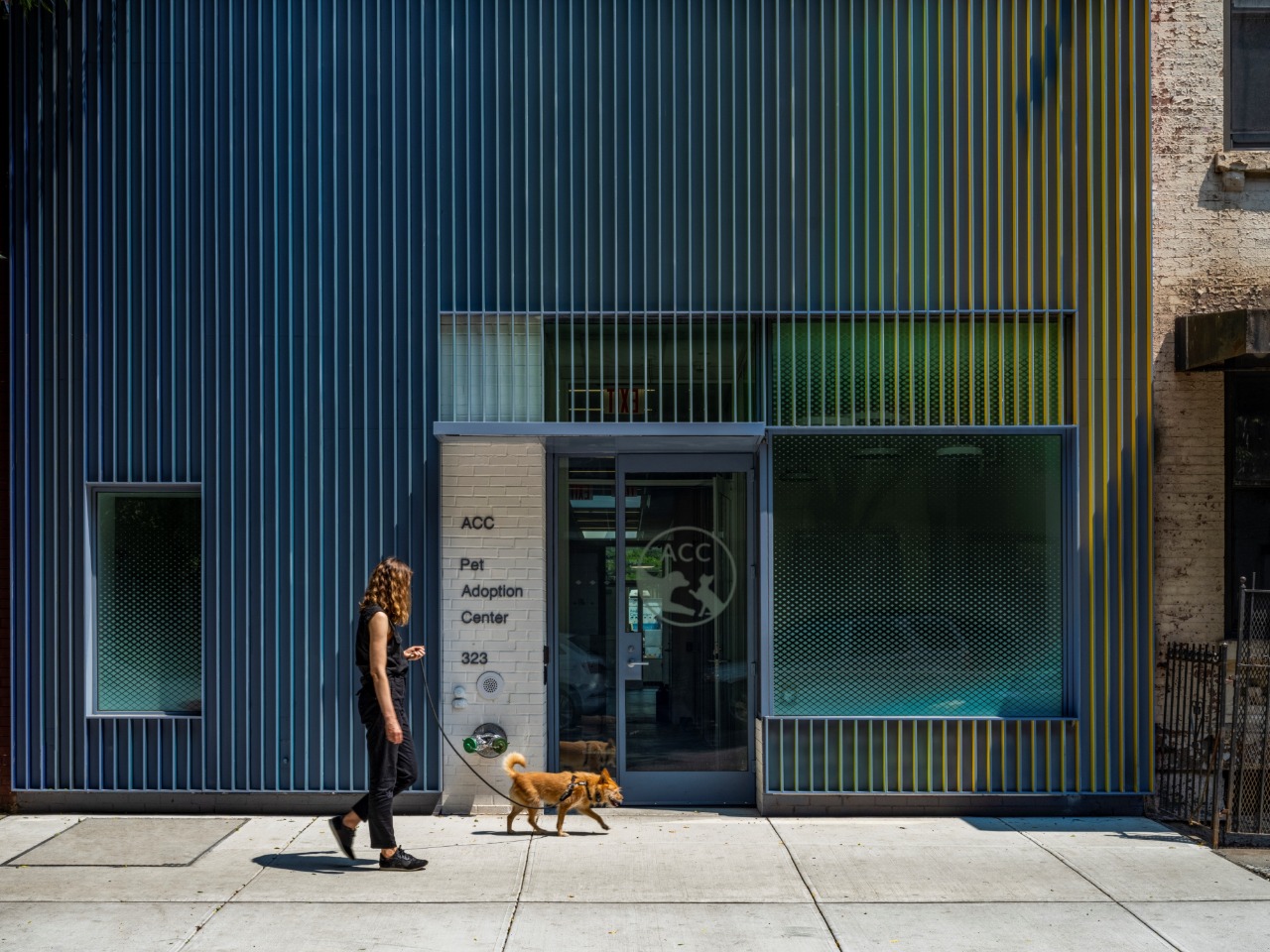
The facade celebrates pedestrian life, creating an engagingly joyful attraction for nearby residents and potential pet adopters from all areas. The cat colony brings natural light deep into the building's public spaces. A "rain-screen" comprises a series of fins spaced 4" apart and 3 1/2" deep that protect the original brick façade. Twenty-five distinct colors are distributed on seventy-five fins, forming a partial rainbow, from warm yellow tones to cooler greens and blues. When viewed from the south side of the street, the optical effect is one of soft gray. The color activates with people walk towards the facility.
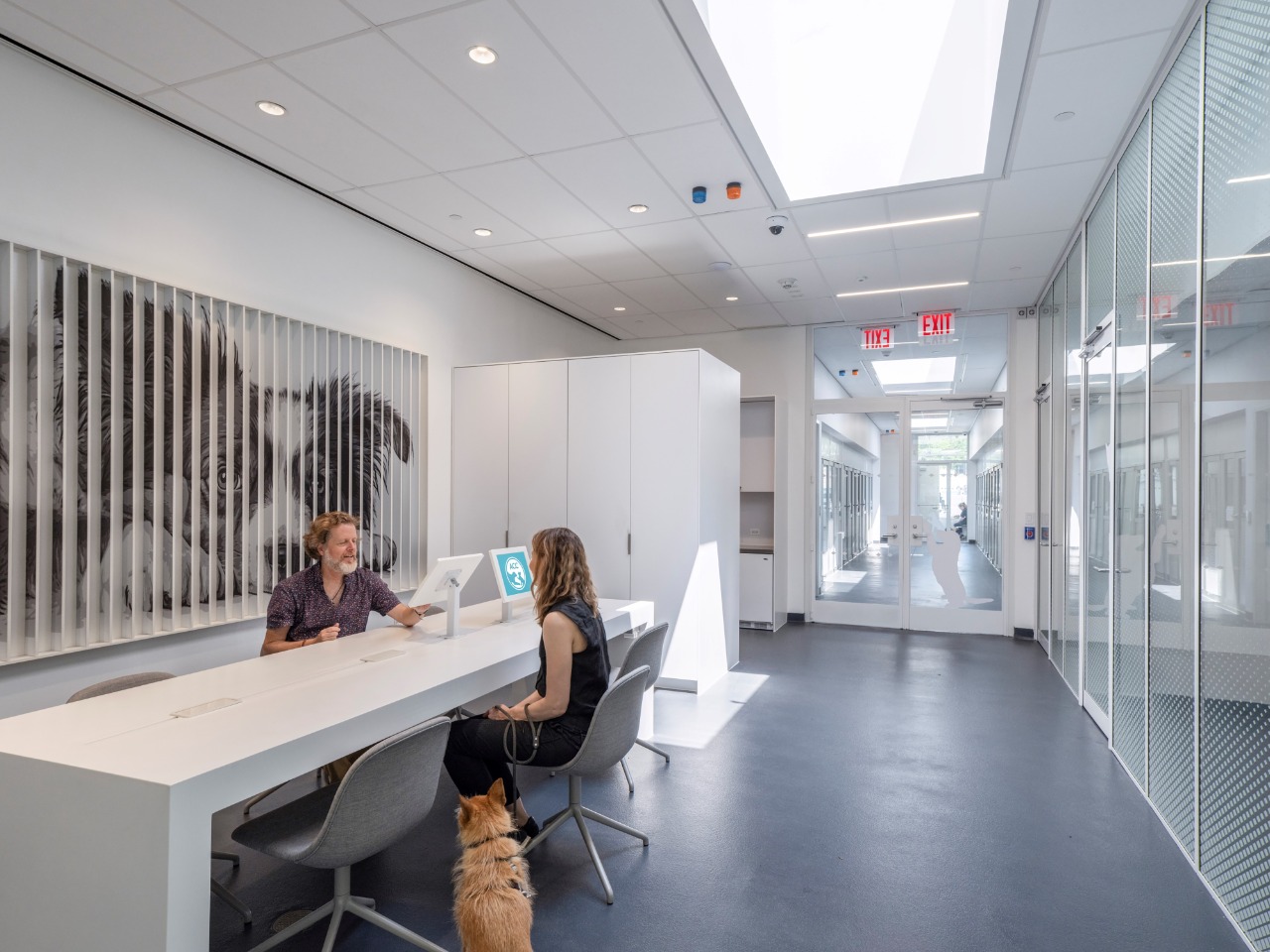
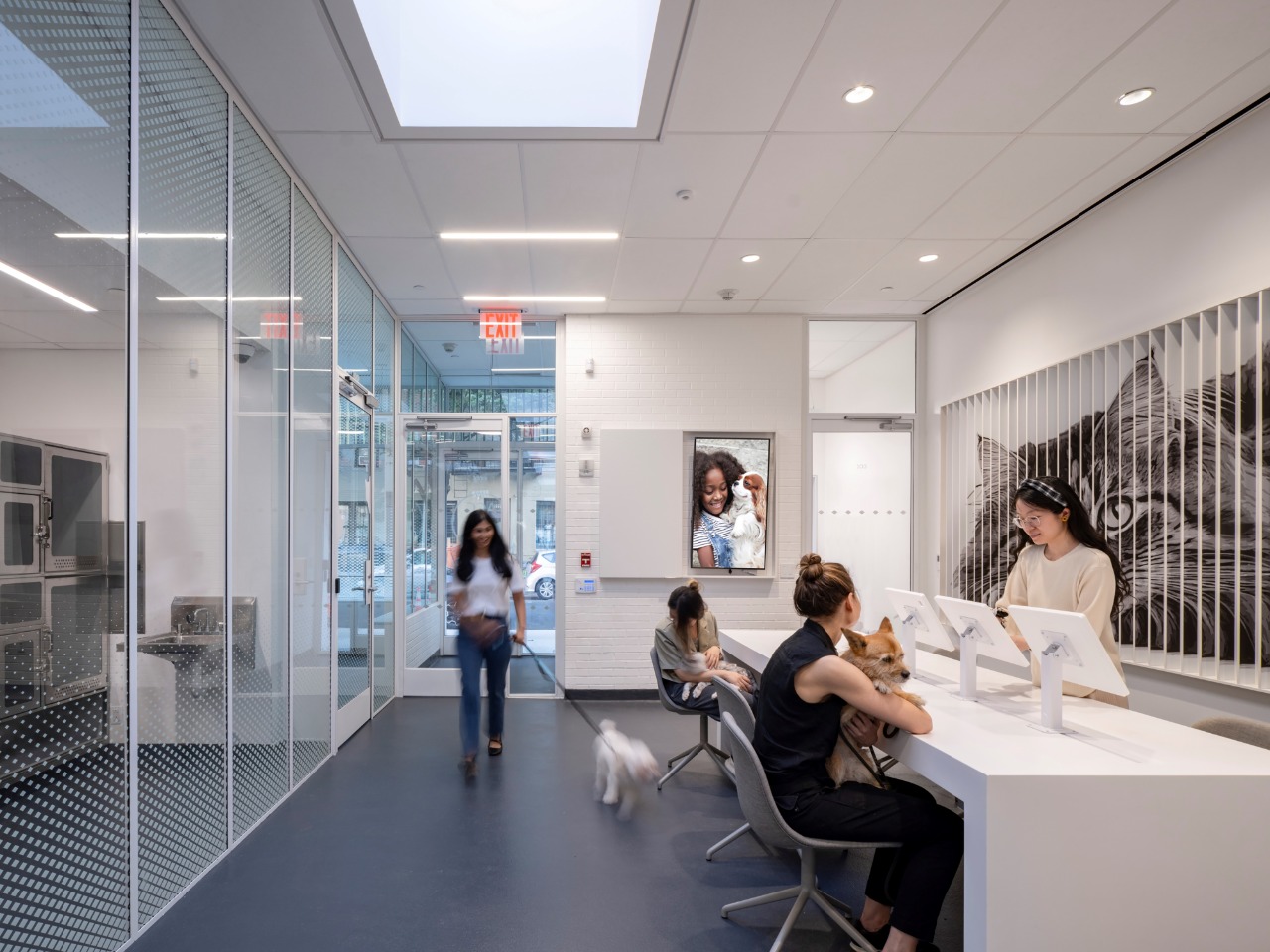
Safety and support for both animals and potential adoptive families are essential factors. Therefore, each dog has a kennel with sanitation, and each cat lives in a multi-level condo. "Meet and greet" rooms for individual meetups have views and natural light. In all areas, there is a graduated frit pattern of diamond shapes on the glass with more opacity at animal heights to address psychological security for the animals.
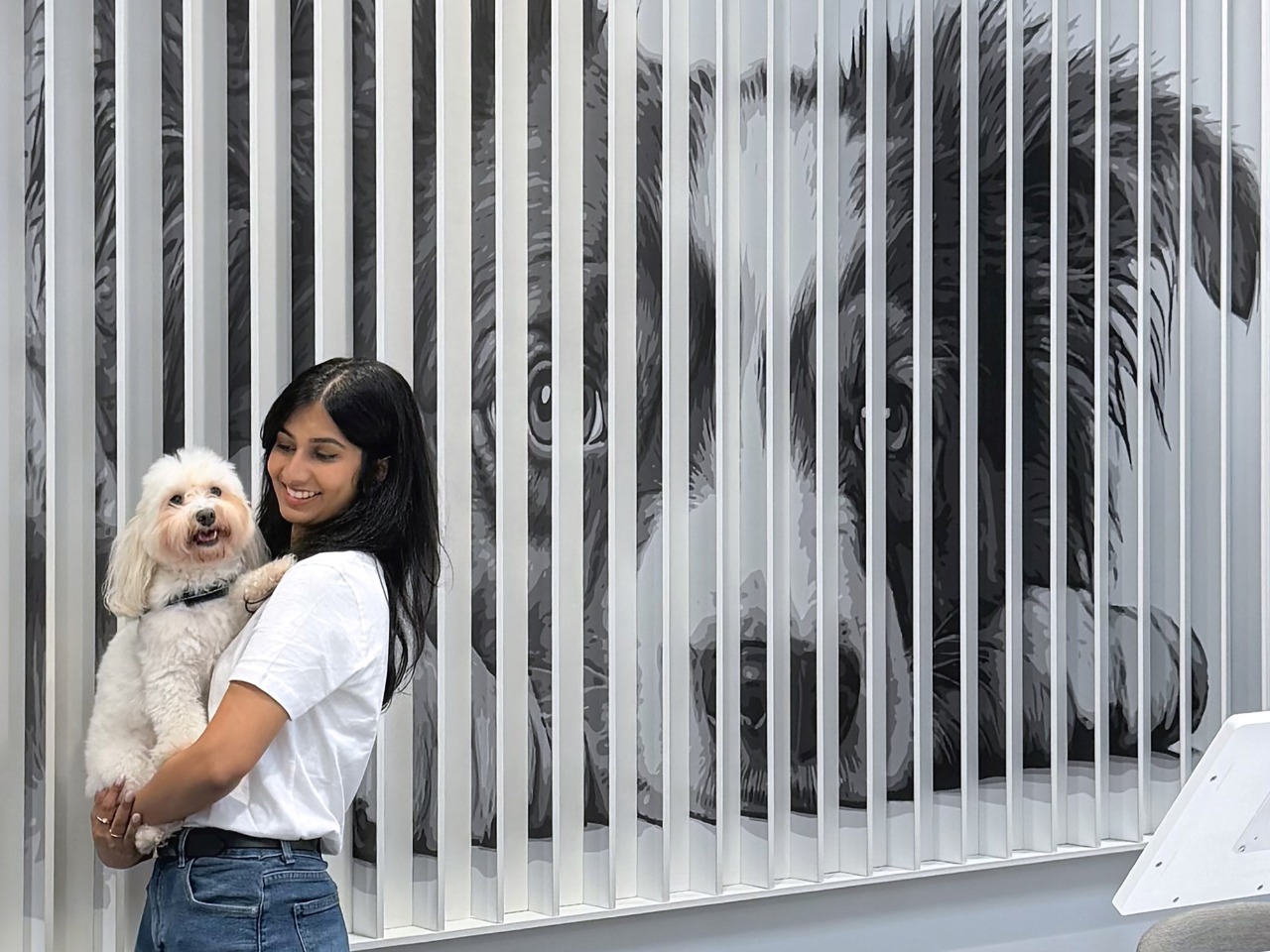
In the entry lobby, staff and adoptive families sit at a communal table, breaking hierarchical barriers and encouraging social bonding. The main feature of the welcoming space is a lenticular mural of a cat on one side of each fin and a dog on the other. This playful gesture echoes the façade and celebrates the union of abandoned animals with new families. Animal adoptions have more than doubled previous rates, and animals spend almost 50% less time in the facility before finding new homes. These statistics have real meaning, as there has been a significant rise in pet abandonments post-pandemic.
Studio joseph

Studio Joseph is an architecture and experience design practice working in the educational, cultural, and public realms. We create beautiful spaces that nurture the lives of people who use them, fostering learning, thinking, and community gathering.
Our process is to understand a project’s driving spirit and embody it in the spatial realm. We begin with research to look beyond the obvious and identify core narratives and strategies. From there, we develop a conceptual underpinning that balances the pragmatic with the poetic. We maintain conceptual rigor while obsessing over the details. With a commitment to empathy-based design, we draw on the diverse needs and affordances of a public audience—from physical accessibility to cultural understandings to sensory abilities. In our work and our workplace, we are committed to championing sustainable practices, equitable communities, and inclusive environments. Although projects differ in scale and typology, they embrace our shared humanity.