 International Architecture & Design Awards 2026
Resilient Flow: The Jaipur Ecological Corridor
Void Atelier
Water Conservation & Sustainable Landscape Design
Resilient Flow: The Jaipur Ecological Corridor — IADA 2026 award
Resilient Flow: The Jaipur Ecological Corridor received Gold Winner recognition at the International Architecture & Design Awards 2026 in Water Conservation & Sustainable Landscape Design. Project status, design team and credits are listed alongside the presentation.
About the project
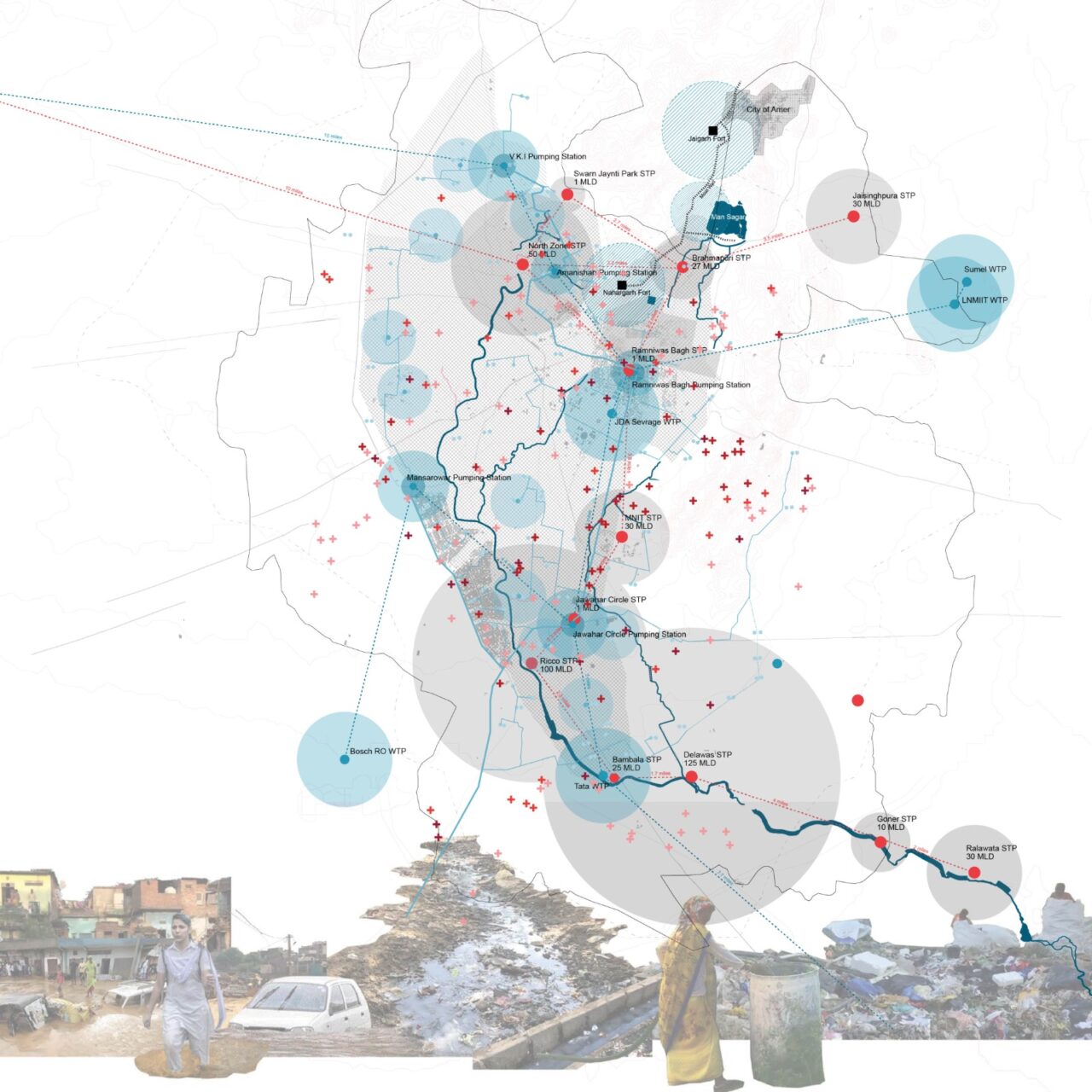
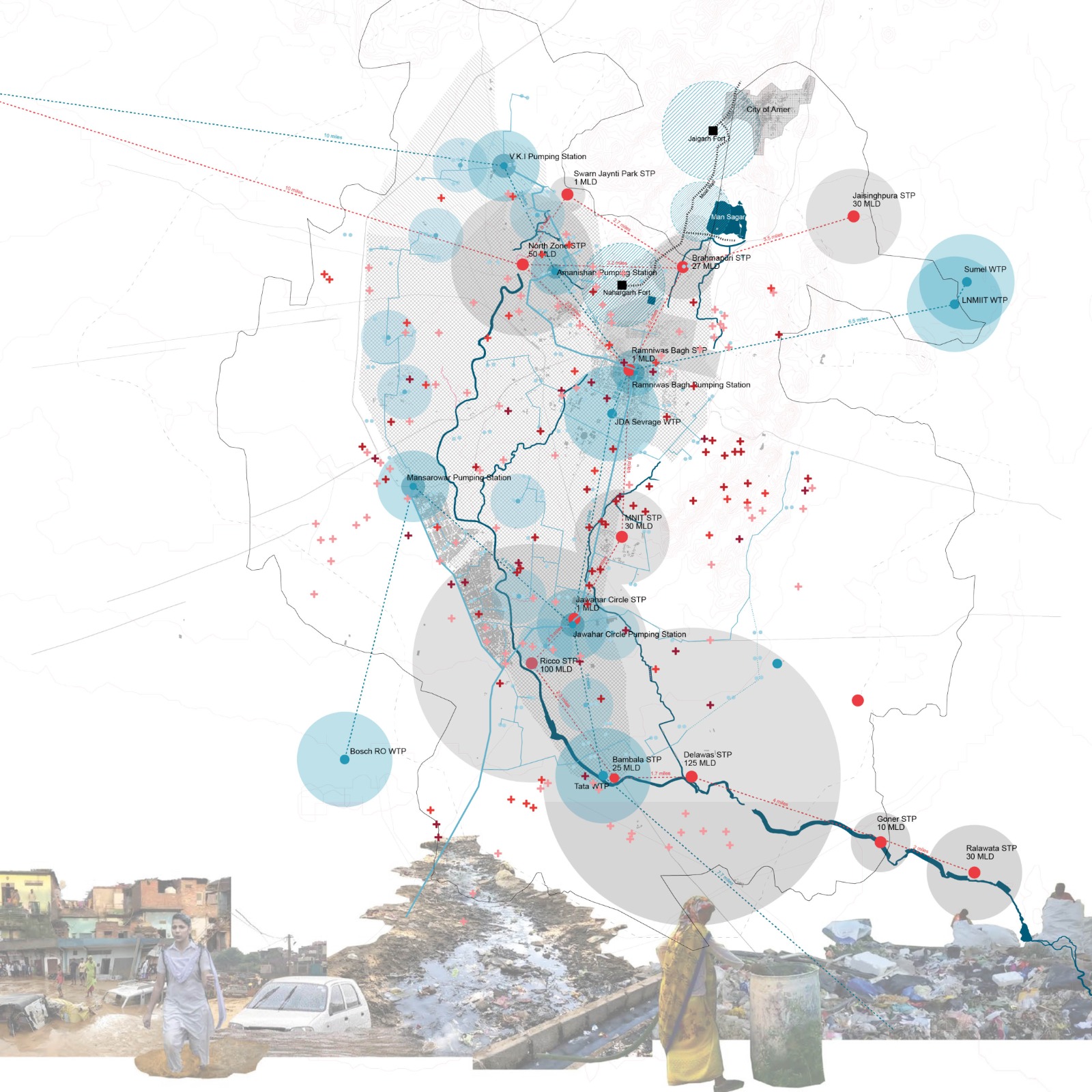
Jaipur faces severe challenges from rapid urbanization—water scarcity, untreated sewage, and inefficient solid waste management. Groundwater, the city’s primary source of daily use, has not been adequately replenished, while sewage is often discharged into open land. Our site, located along Mount Road between the Aravalli Hills and surrounding slums, connects the northern and southern parts of the city and represents a crucial urban and ecological link.
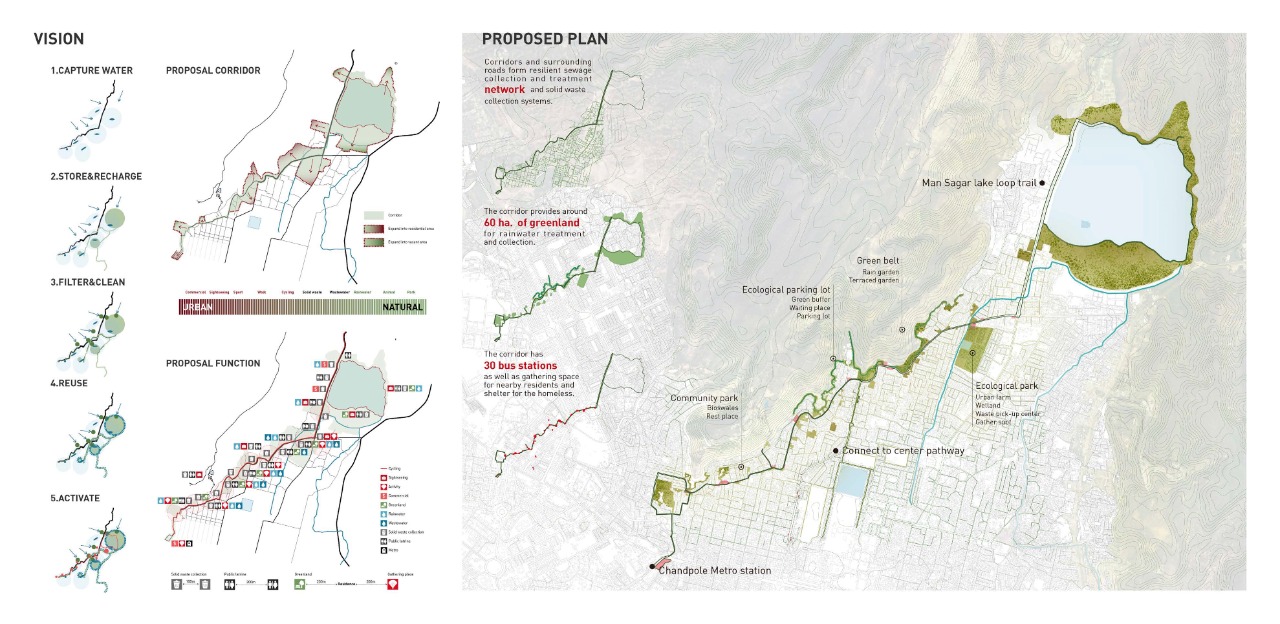
The proposed 6.39 km corridor stretches from the Metro Station in the southwest to Man Sagar Lake in the north, serving over 100,000 residents and numerous visitors. Two major water sources—stormwater from the hillside and sewage from urban runoff—intersect the site. Through runoff analysis, pour points and waterlogging zones were identified, forming the basis for strategies of collection, filtration, and reuse. The corridor captures water lost from adjacent lands, which could potentially supply up to 500,000 people daily.
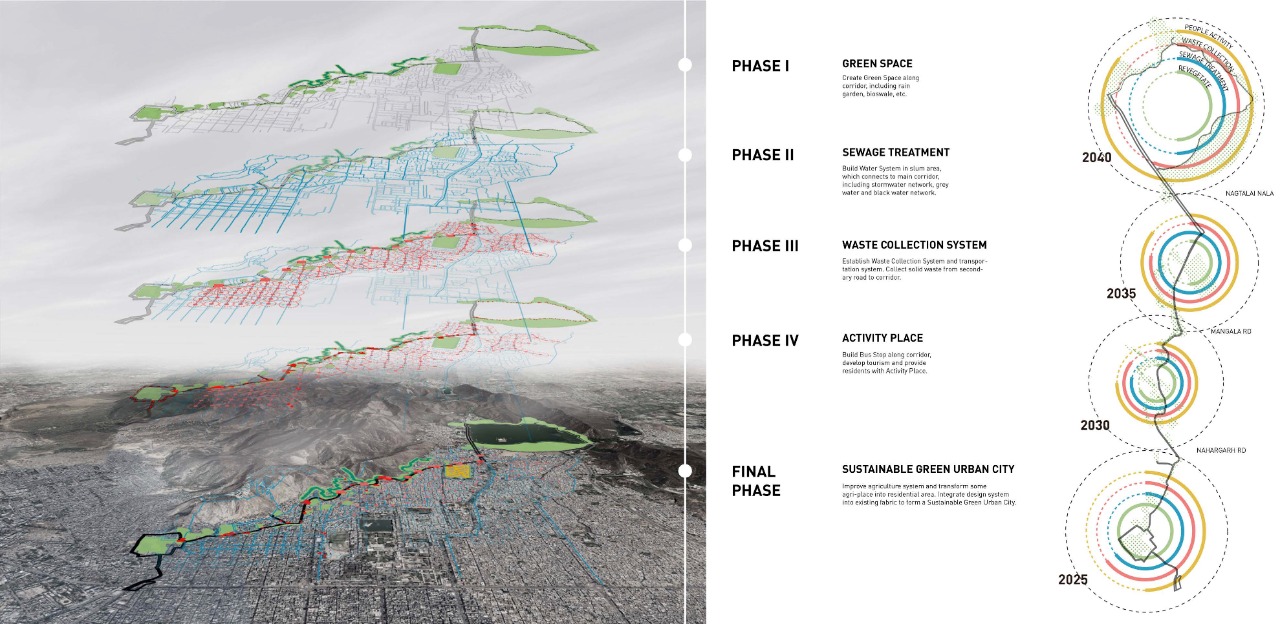
The design follows a five-step phasing strategy:
Capture water from the community and mountain;
Store it in open areas to recharge groundwater;
Filter and clean with vegetation systems;
Reuse purified water for irrigation and domestic use;
Activate surrounding land through social and ecological activities.
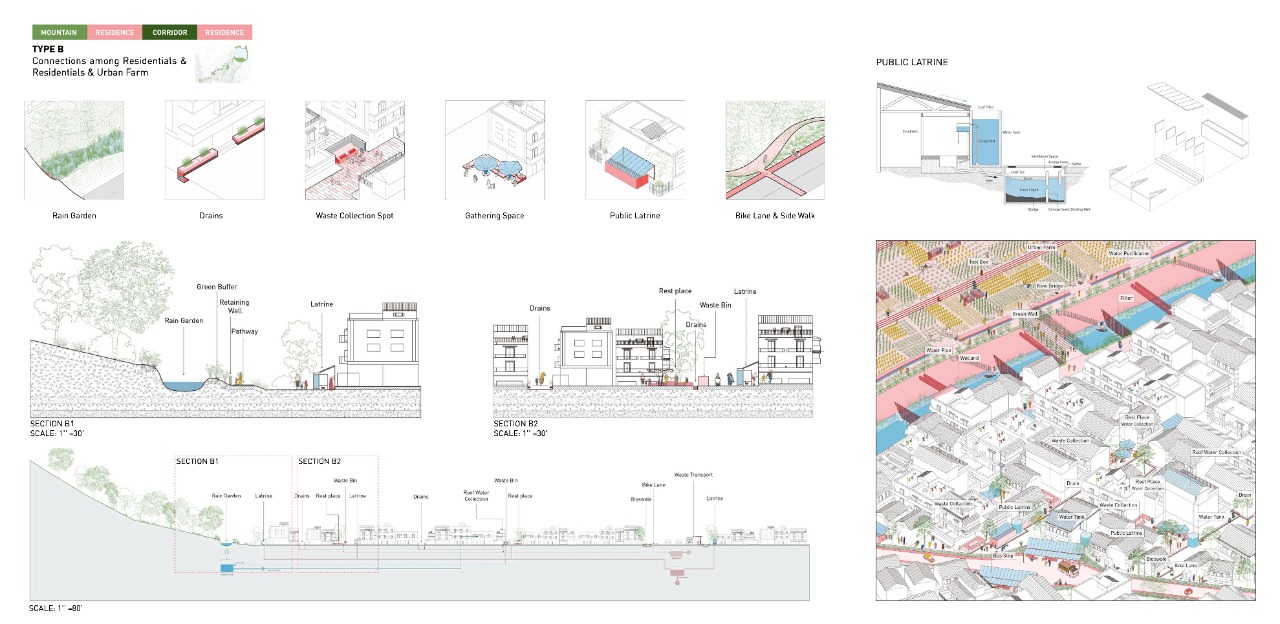
To strengthen infrastructure and accessibility, the design adds bike lanes, green sidewalks, public latrines, and waste collection bins, transforming existing green spaces into ecological parks. The corridor integrates decentralized sewage and solid waste systems while creating 60 hectares of green infrastructure that improves urban resilience and living quality.
The framework envisions a multi-value corridor—ecological, social, and economic. It decentralizes treatment processes and encourages community participation to promote social equity and environmental stewardship.
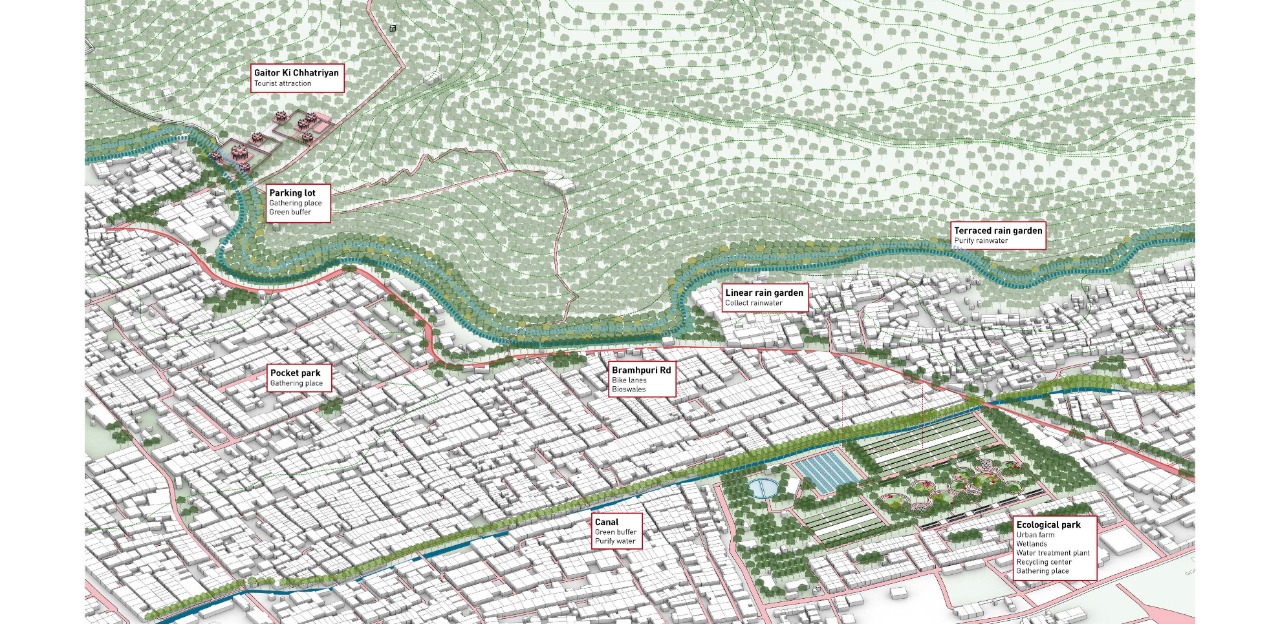
Design outcomes are organized into four typologies:
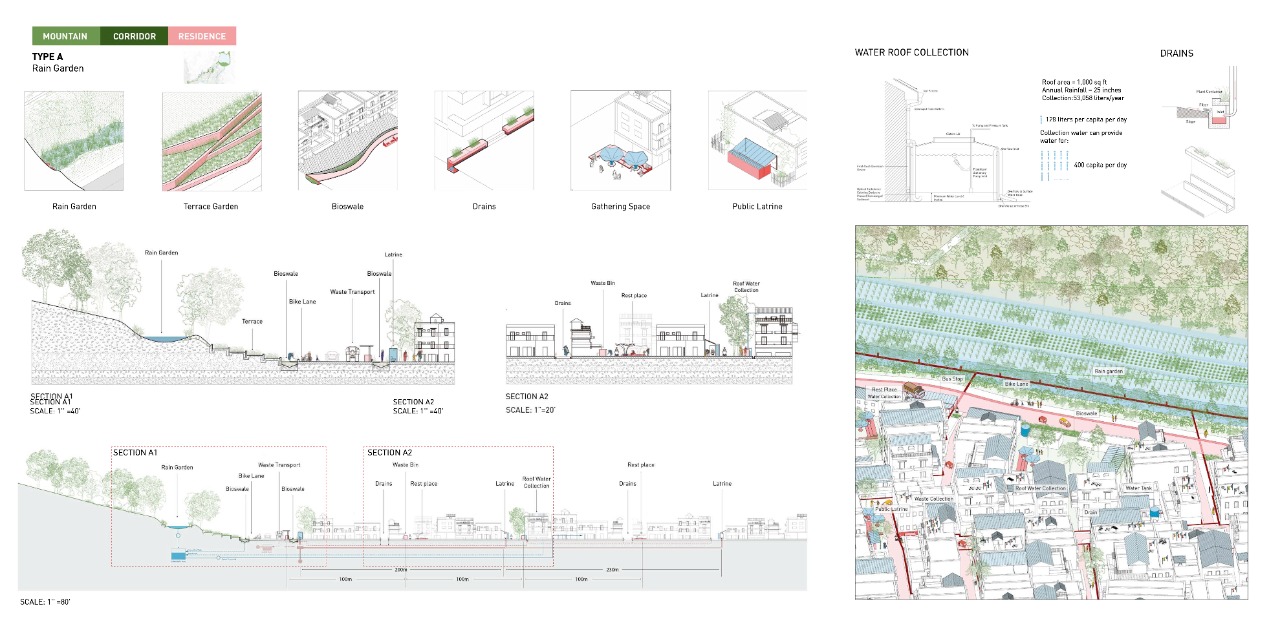
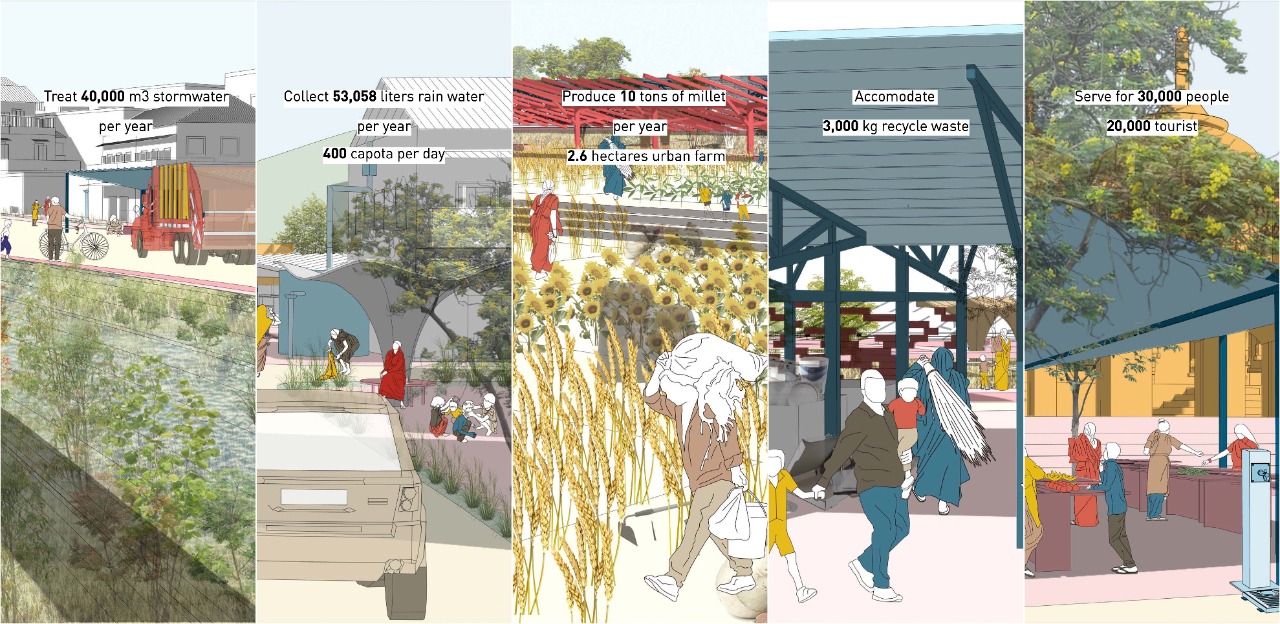
Hill–Residential Interface: Collect and reuse stormwater via rain gardens, bioswales, and roof systems.
Residential–Urban Farm Zone: Enhance walkability and provide public amenities.
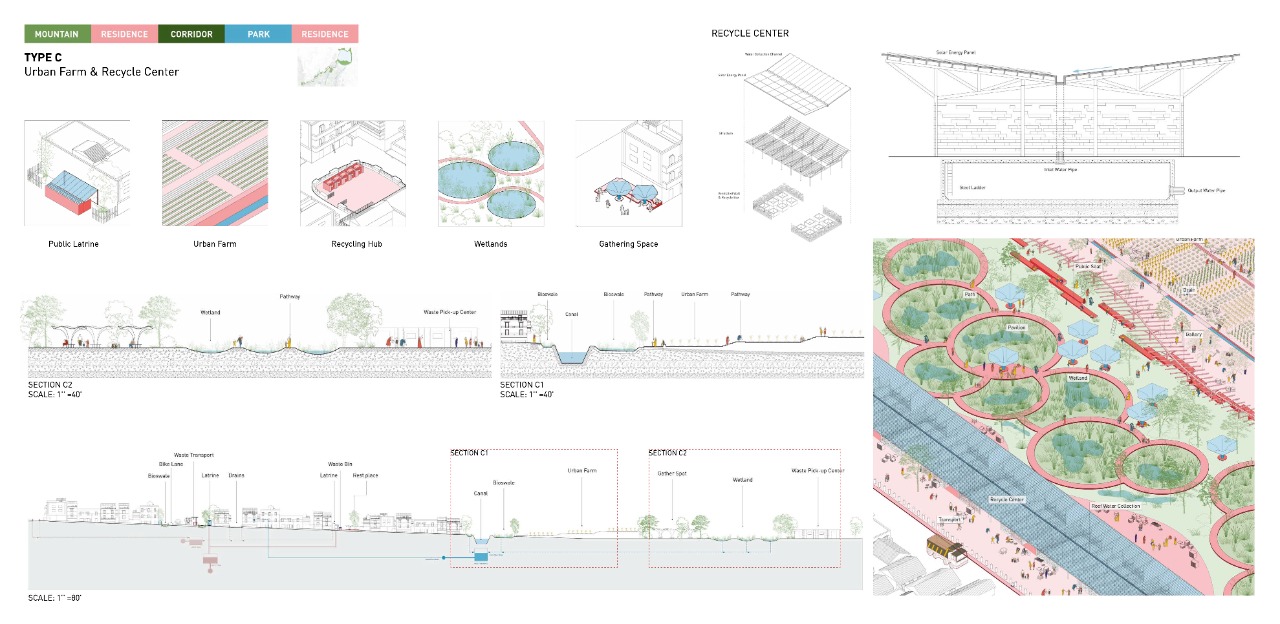
Canal–Open Space Area: Form a central ecological park with wetlands and terraced farms using purified corridor water, alongside a recycling hub for waste collection and resale.
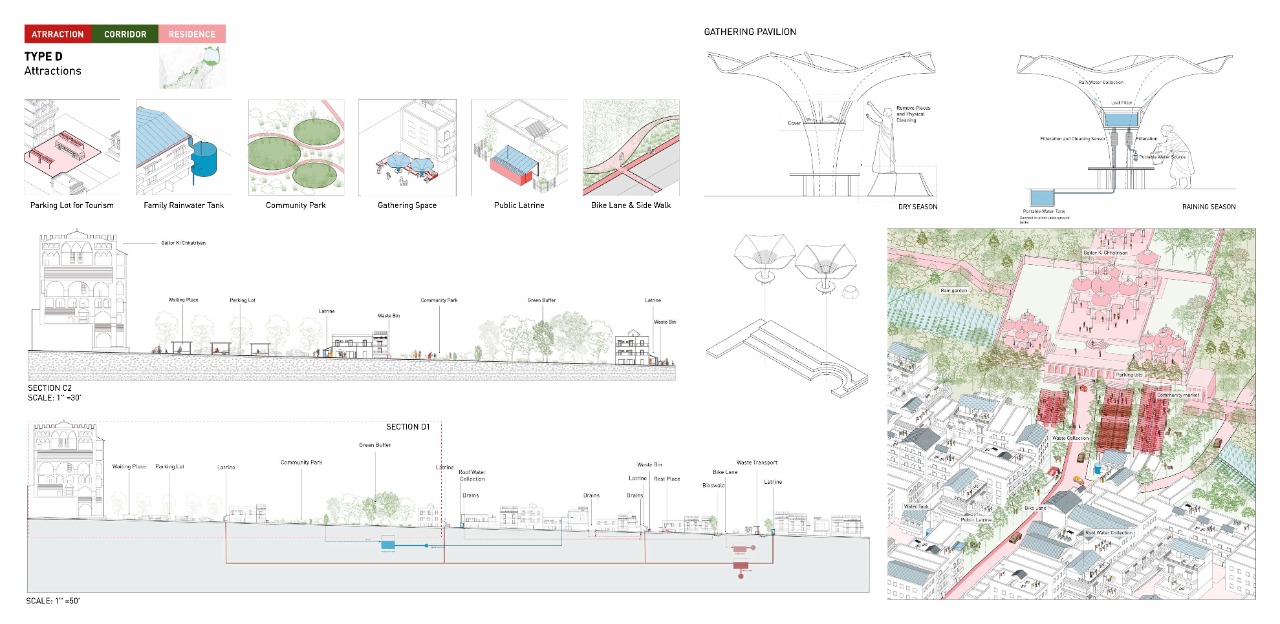
Tourism Node: Transform attraction parking areas into shaded gathering markets that generate local economic activity.
The planting strategy employs drought-tolerant crops, deep-rooted native plants, and fast-growing pioneer species to purify runoff, enrich poor soils, and restore biodiversity. Rain gardens remove up to 80% of pollutants, while terraced designs guide runoff into the corridor’s collection system.
Ultimately, the Jaipur Ecological Corridor establishes a self-sustaining system that reconnects communities, resources, and landscapes. Beyond managing water and waste, it creates access to food, green spaces, and public facilities—laying the groundwork for a sustainable future.