 International Architecture & Design Awards 2026
Sabiha ULUSOY Library
EROZU Mimarlik
Cultural & Arts Centers
Sabiha ULUSOY Library — IADA 2026 award
Sabiha ULUSOY Library received Gold Winner recognition at the International Architecture & Design Awards 2026 in Cultural & Arts Centers. Project status, design team and credits are listed alongside the presentation.
About the project
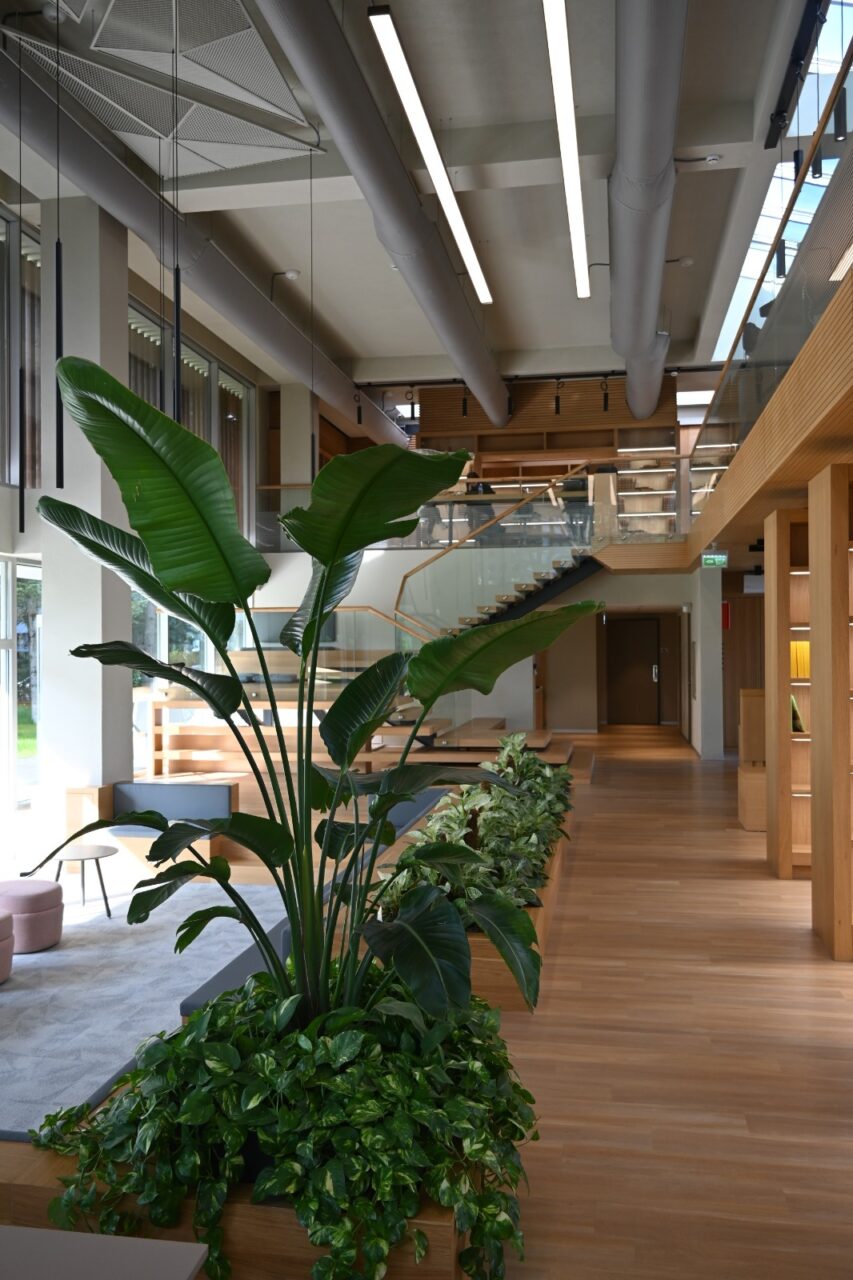
Primarily designed for educational purposes for children and young users, the design of this structure has been based on the sub-components of the concept of "Sustainability." Within this framework, natural and passive climate control, natural lighting, simplicity, healthy ventilation, and the use of natural materials have been prioritized.
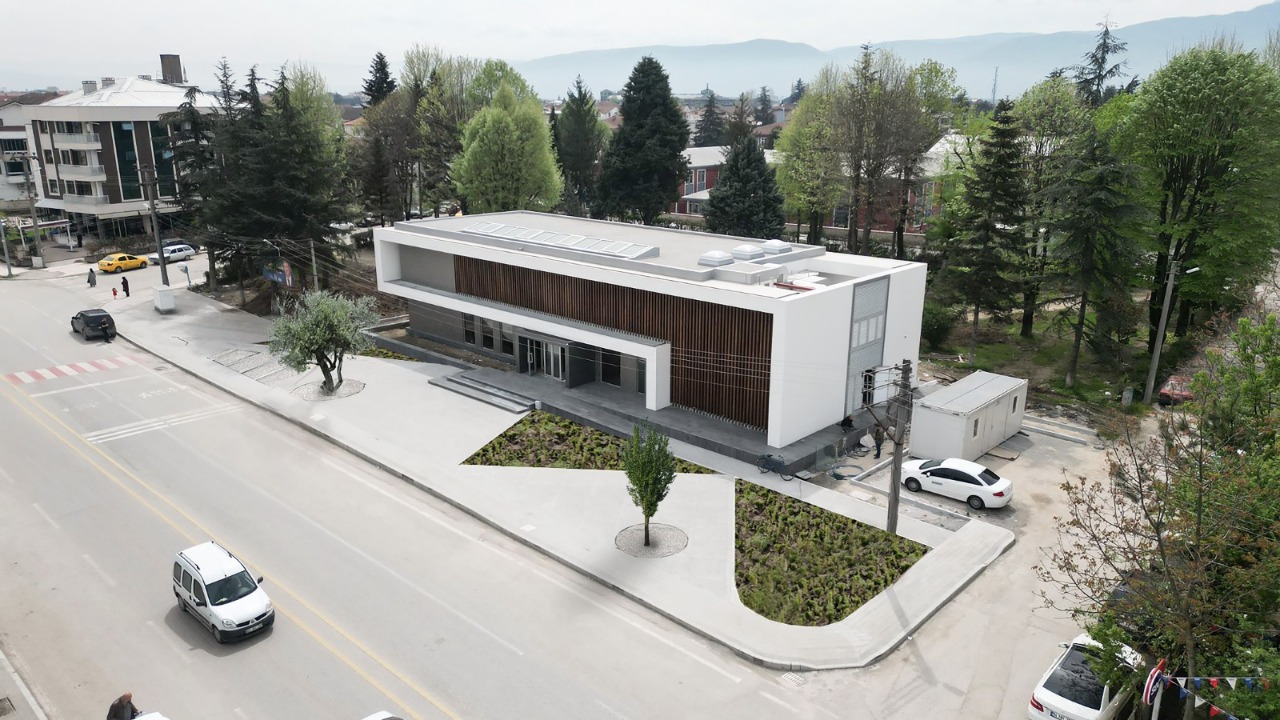
The building is situated in the northwest corner of the site to allow for maximum use of the green areas facing south and southeast.
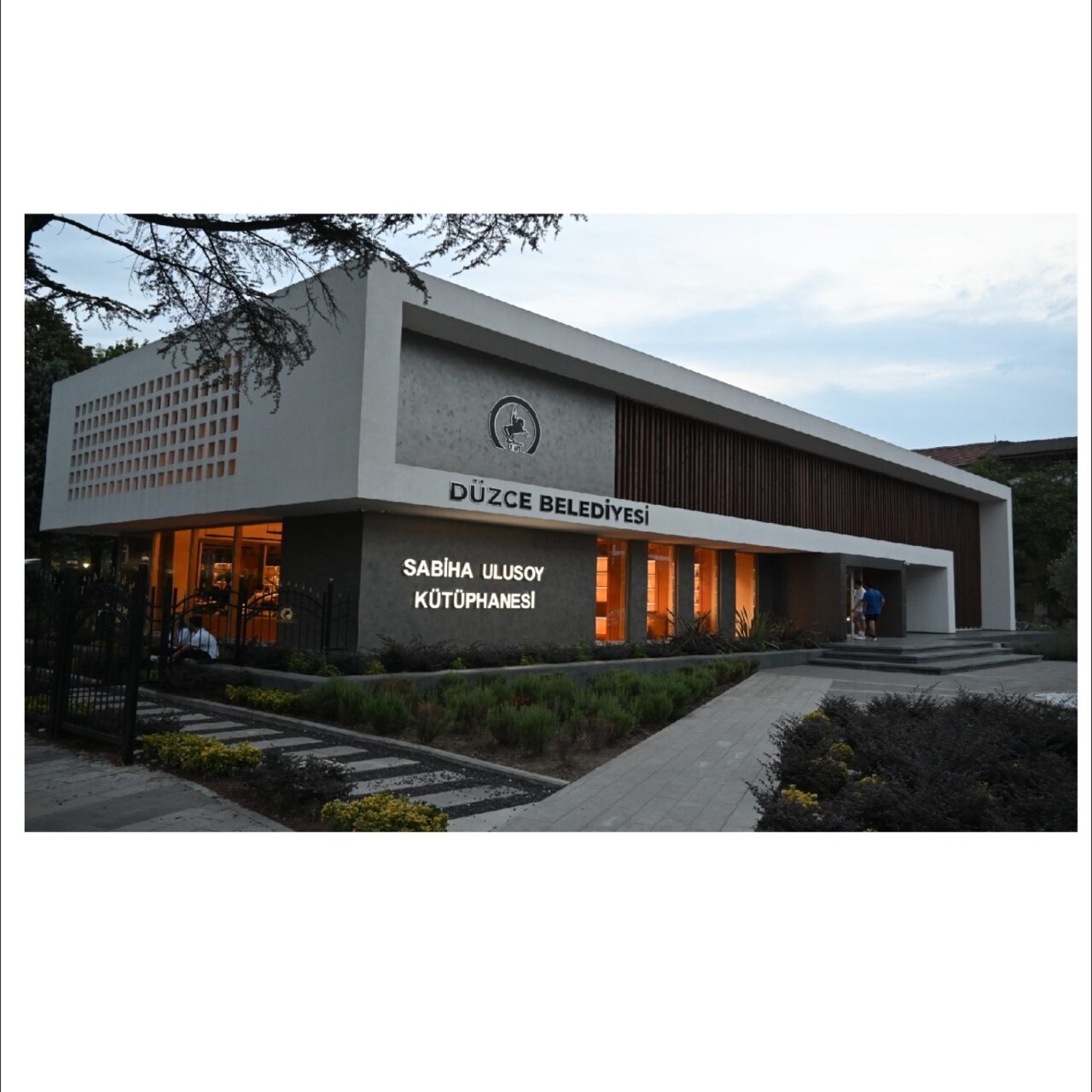
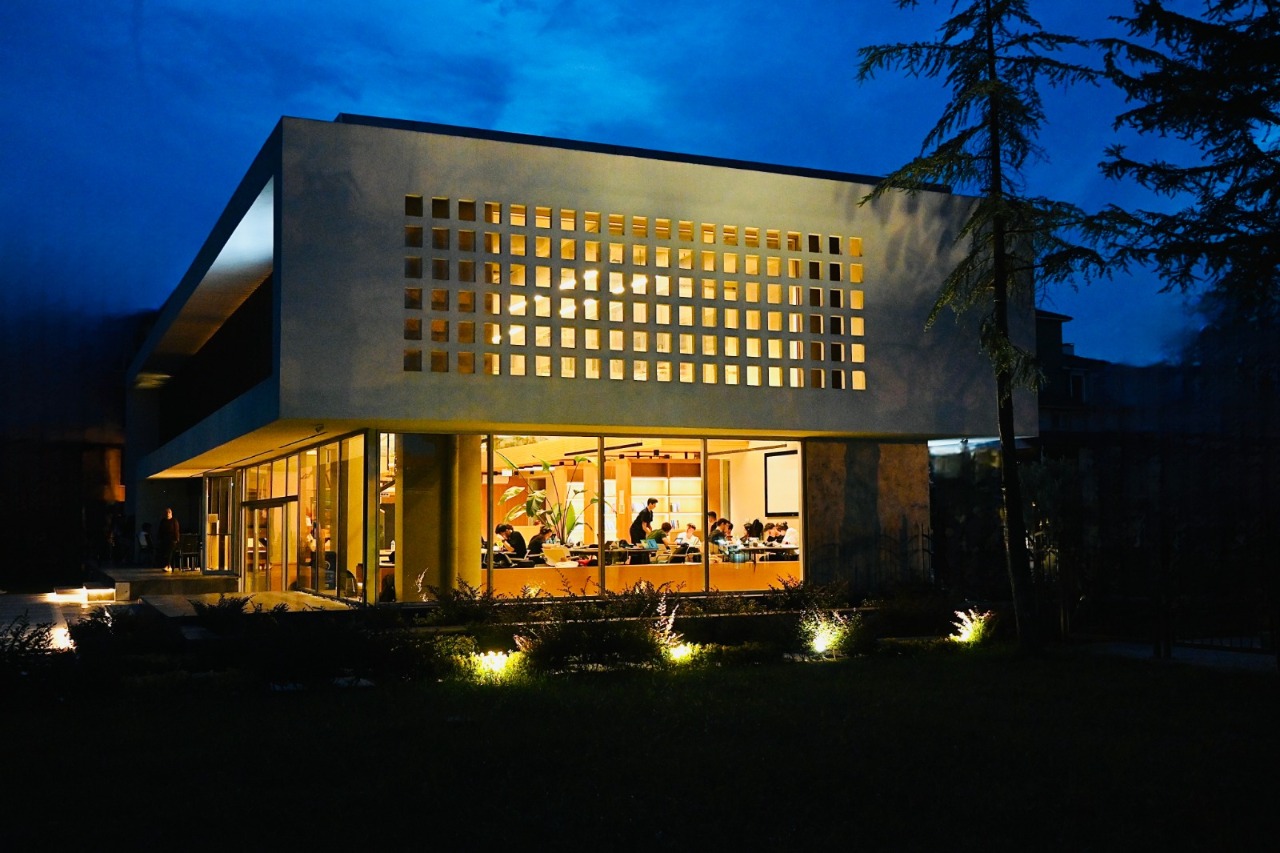
To counteract the noise of vehicular traffic, the building's facade facing the road features shelving and service areas, while the east and south facades are oriented towards a dense green garden surrounding the structure. Large transparent surfaces allow the green space to flow into the interior.
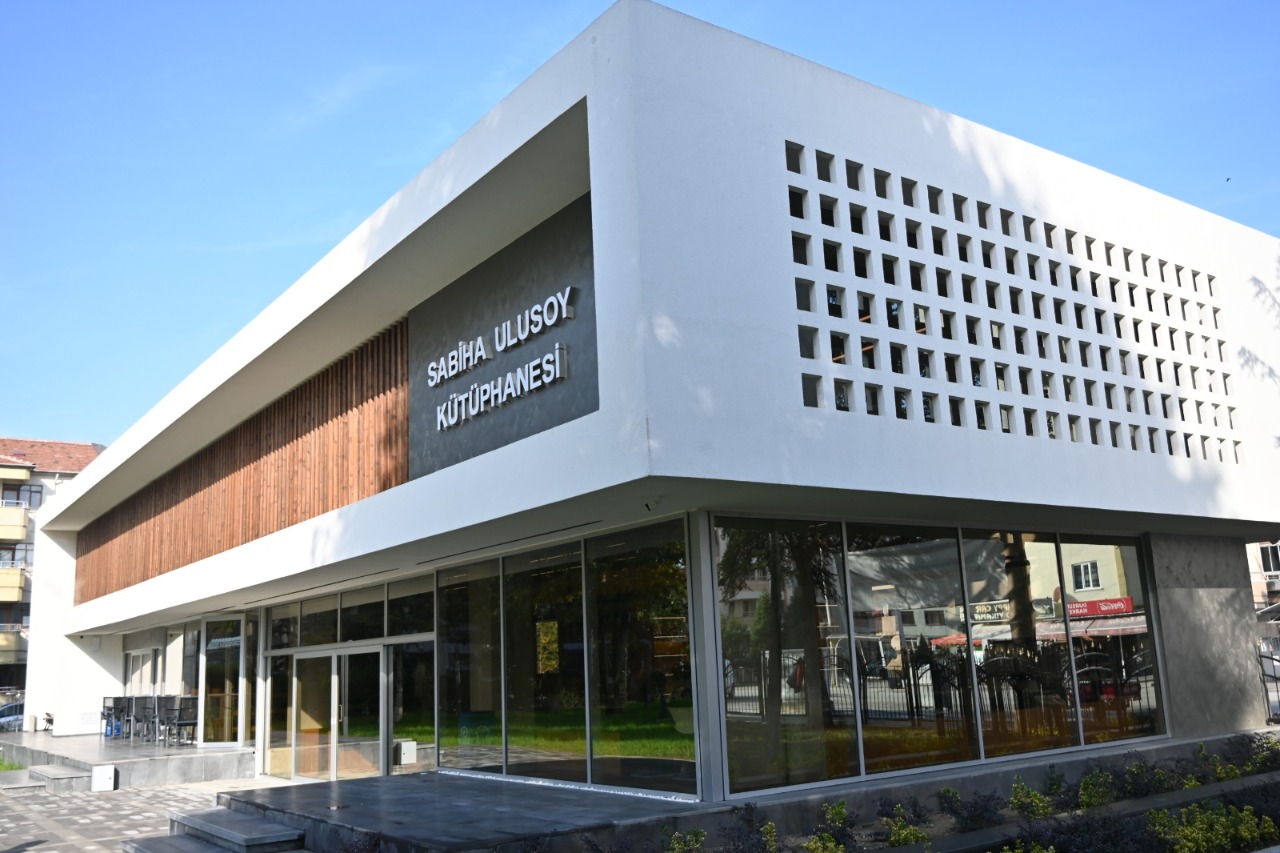
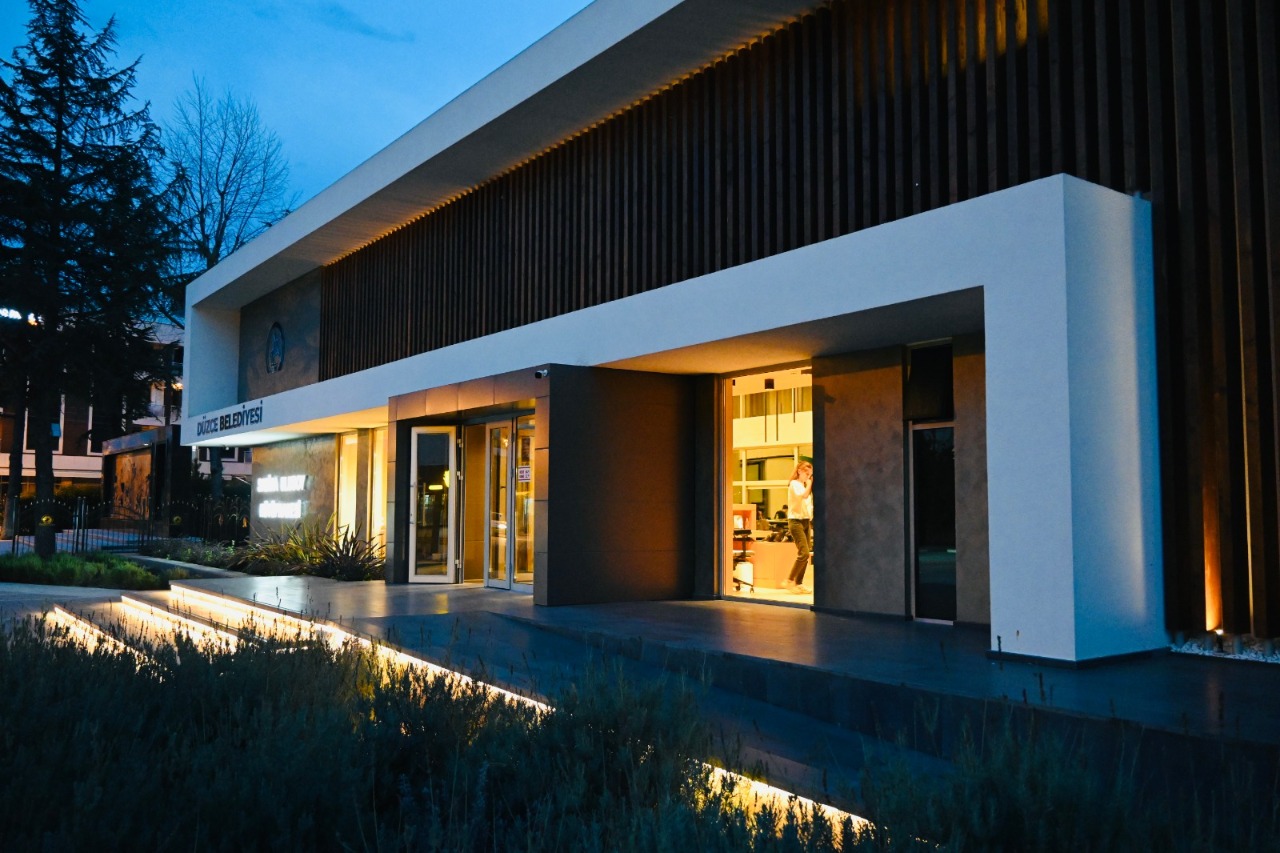
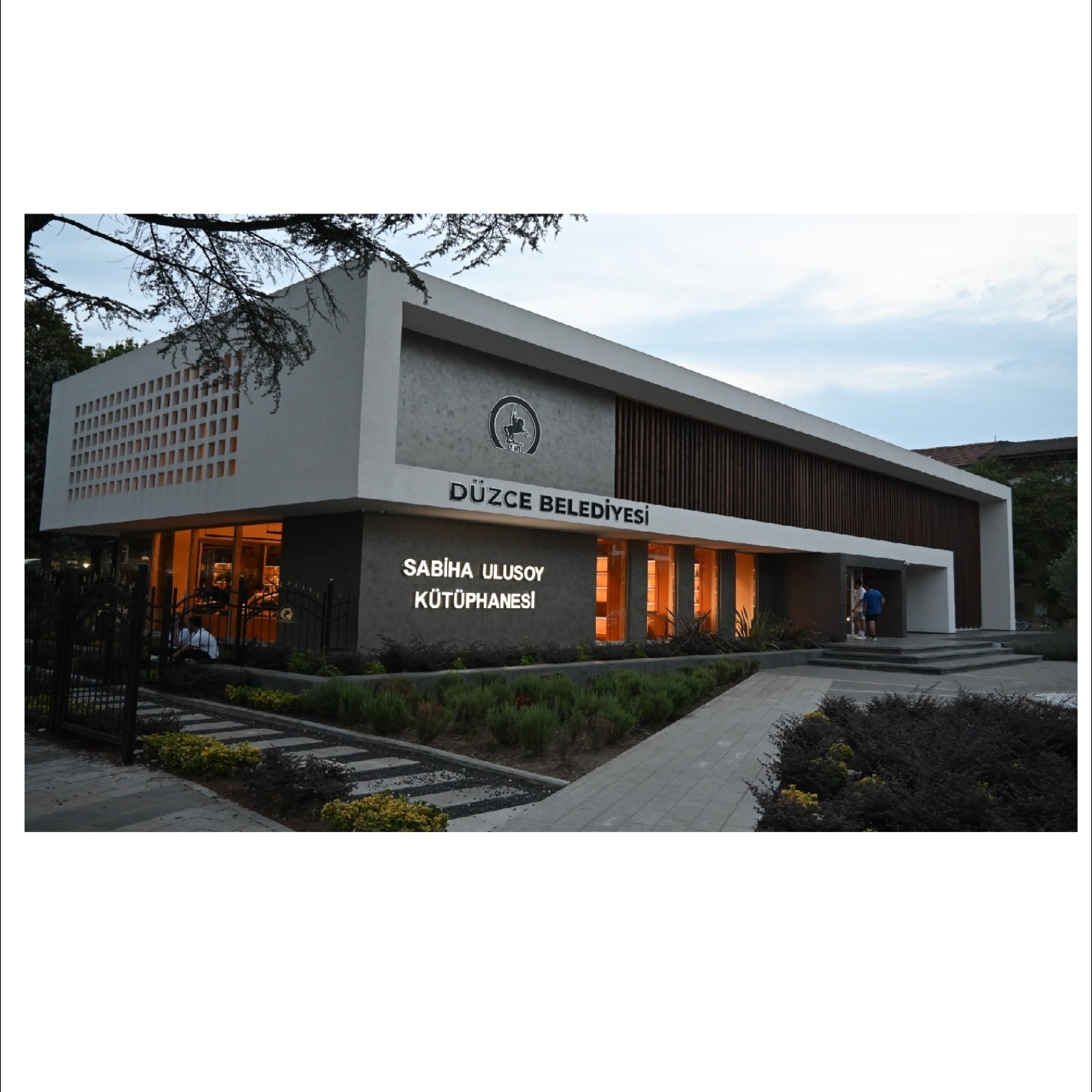
On the east facade, a grid pattern is used to allow eastern light to enter the interior with a specific texture, aiming for a dynamic play of light on the building's interior surfaces. Furthermore, it aims to create a striking facade effect in the evenings when approached from the city center.
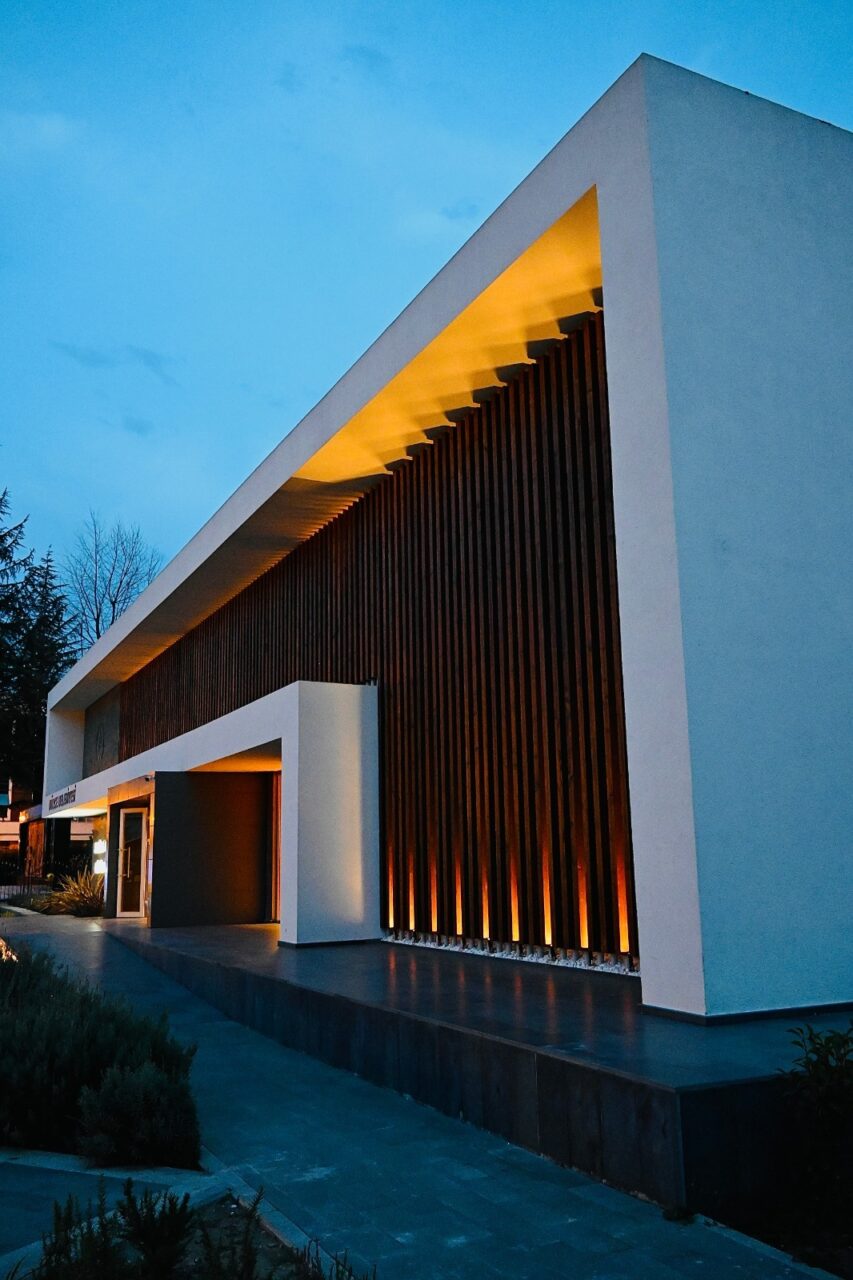
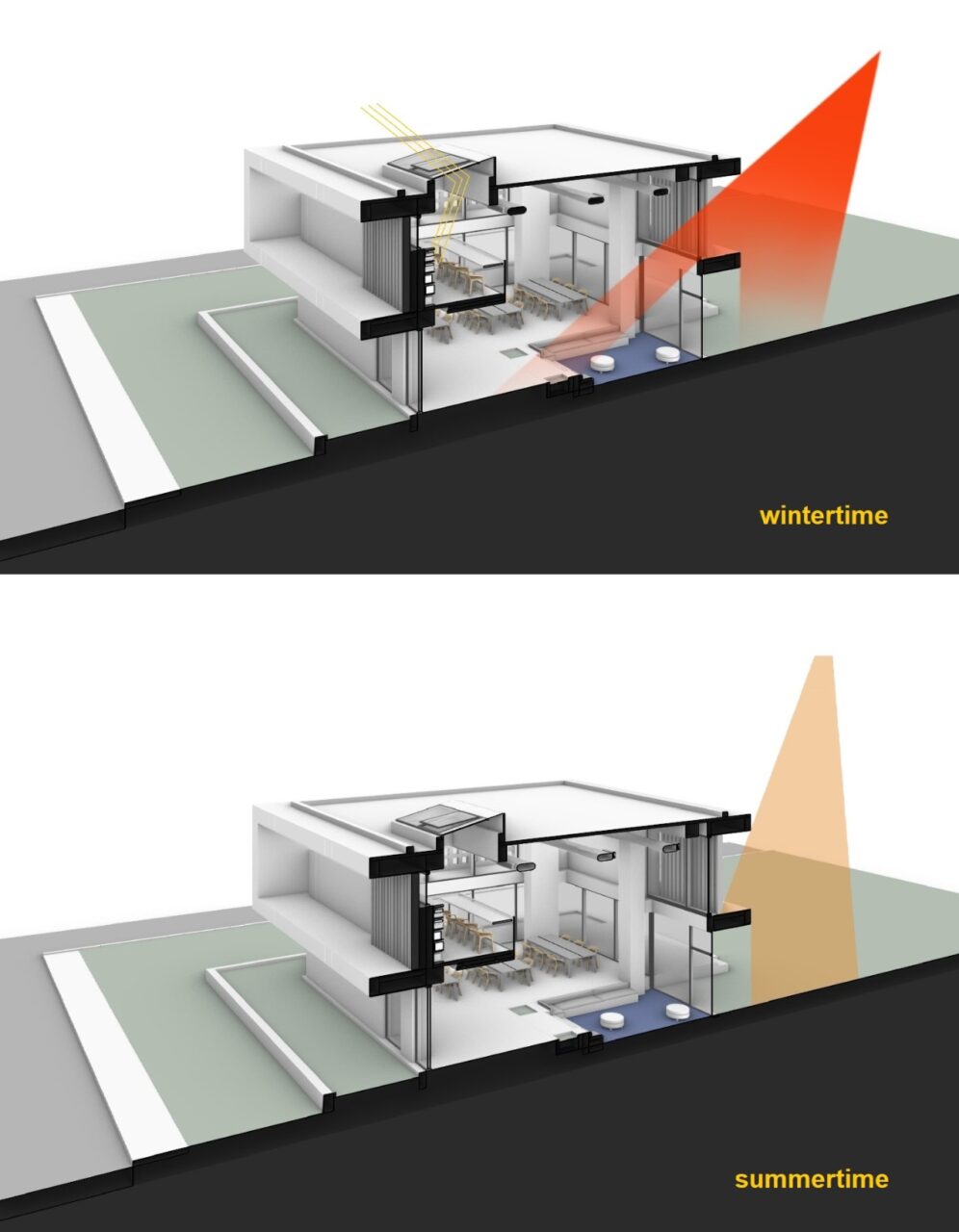
The eaves, designed to define the facades along the long sides of the building, provide a strong frame for the wooden columns that play a significant role in the character of both long facades. On the south facade, these eaves provide sun control within the framework of passive climate control objectives, while the wooden columns allow filtered daylight to enter. Similarly, the wooden columns on the north facade allow the light entering from inside to establish a subtle connection with the city when the building is illuminated.
On the roof, a light strip opening to the north and mirrors mounted on the side wall of the skylight have increased the amount of natural light entering, thus ensuring that the workspaces on the mezzanine floor benefit from natural light to the maximum extent.
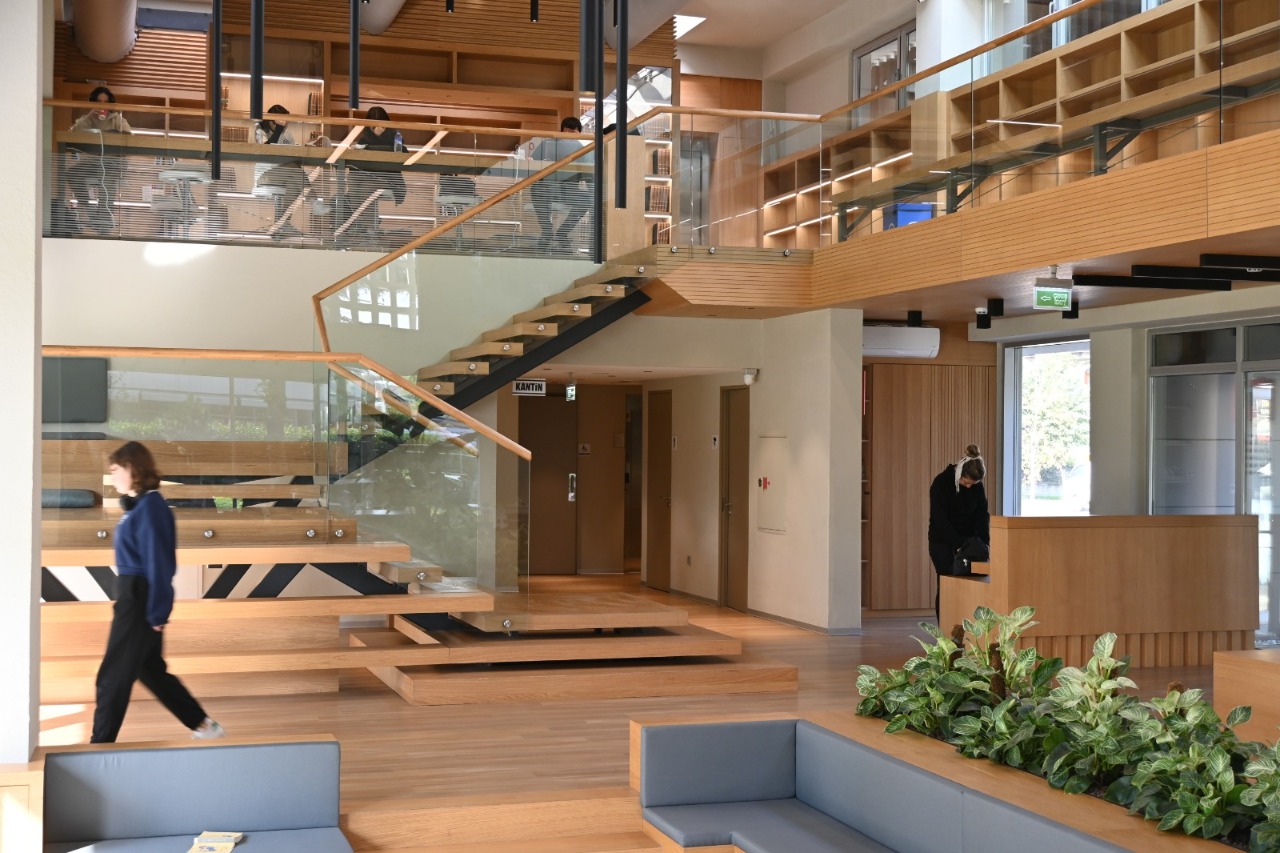
Transparent fire smoke vents positioned above the dense bookshelves function as natural lighting elements while also allowing waste air to escape when necessary. A small seating area has been created in this space, allowing for comfortable viewing of the books in natural light.
The interior cladding and furniture are made of natural wood, creating a warm and inviting effect, with cushioned seating areas in places. The mezzanine floor is covered with acoustic wooden panels to prevent loud noises from disturbing the space.
The natural material line in the interior is continued in the exterior with wood and basalt, and white, a symbol of purity and truth, dominates the facade.In the landscape design, an olive tree representing "Life and Wisdom" is positioned at the building's entrance, while a two-colored tree representing "Duality/Communication" is located in the western corner. The steps extending across the building's entrance are conceived as a meeting point, and the ground geometry is designed in a form that contrasts with the building's rationalist appearance.
EROZU Mimarlik

ERÖZÜ ARCHITECTURE
ERÖZÜ Architectural Office was founded in 1970, Master. Eng. It was founded by architect Metin ERÖZÜ.
ERÖZÜ Architecture, which started life with TALYA Hotel, the first 5-star hotel of Antalya, continues the tradition of the German architecture school, where Metin ERÖZÜ and then Cem ERÖZÜ gathered their professional experiences.
ERÖZÜ Architecture follows a line that prioritizes ecological and energy saving, and designs rationalist, user-friendly and functionally qualified buildings. In addition, solutions that are compatible with the immediate surroundings and that will impose the least burden on city life are aimed at the city scale.
While reflecting the features required by contemporary architecture in its designs, it attaches great importance to the commissioning of the building within the framework of the foreseen budget, with its team that can provide project services from the first design stage to construction.