 International Architecture & Design Awards 2026
Screen 504
Sanjay Puri Architects
Architecture
Screen 504 — IADA 2026 award
Screen 504 received Honorable Mention recognition at the International Architecture & Design Awards 2026 in Architecture. Project status, design team and credits are listed alongside the presentation.
About the project
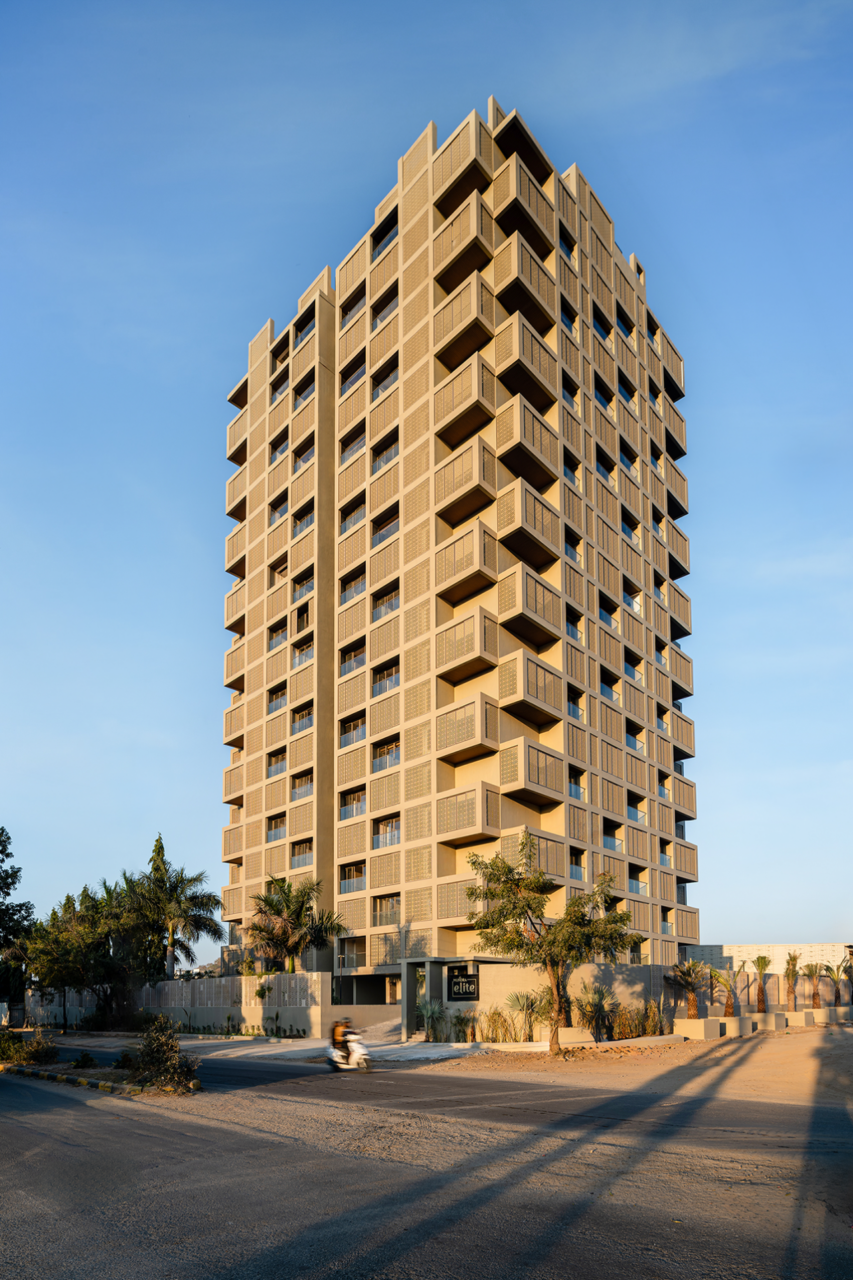
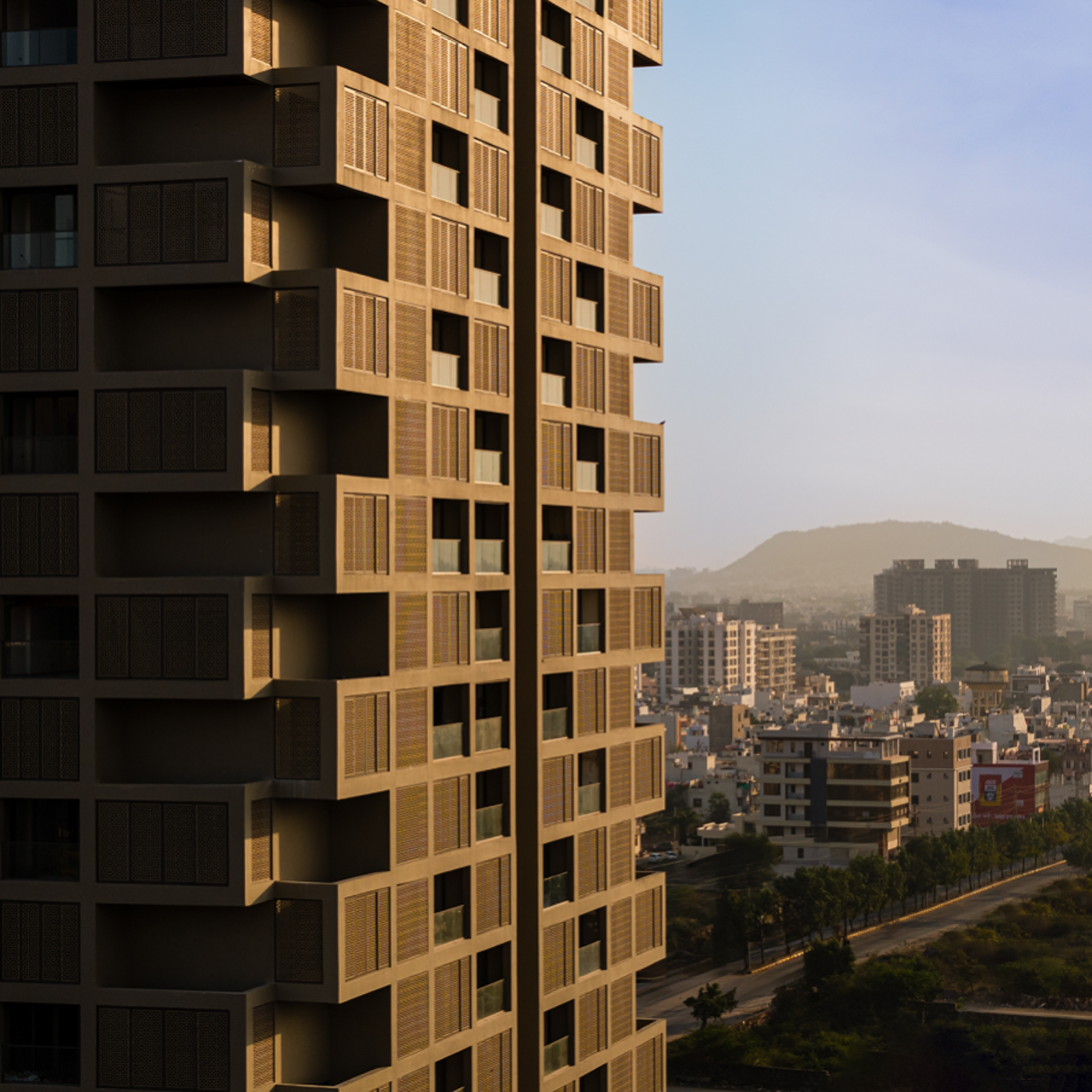
• Screen 504 is a newly developed 21-storeyed Residential building with 78 apartments, located on a 3,690-sq.m site in Udaipur, Rajasthan with a total constructed area of 20,000sq.m.
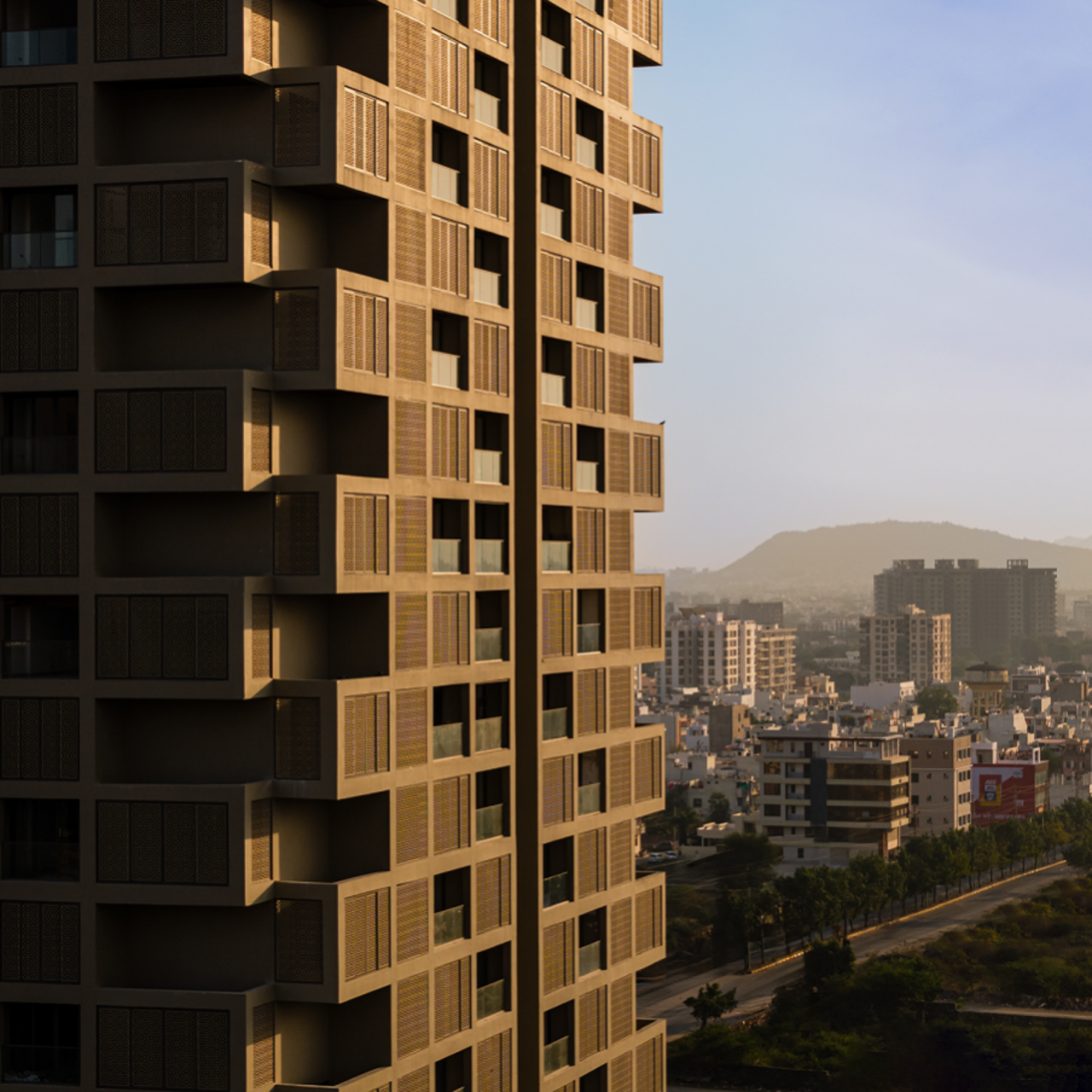
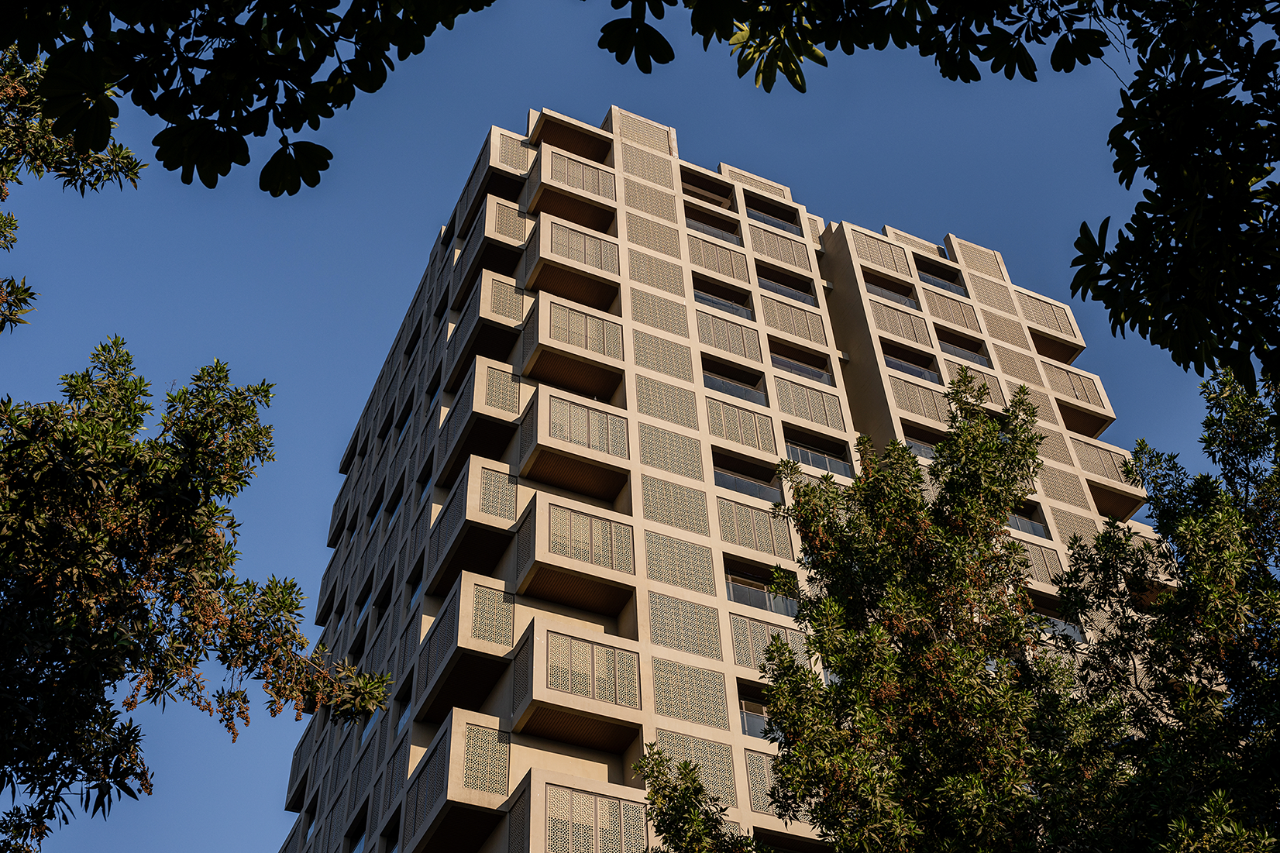
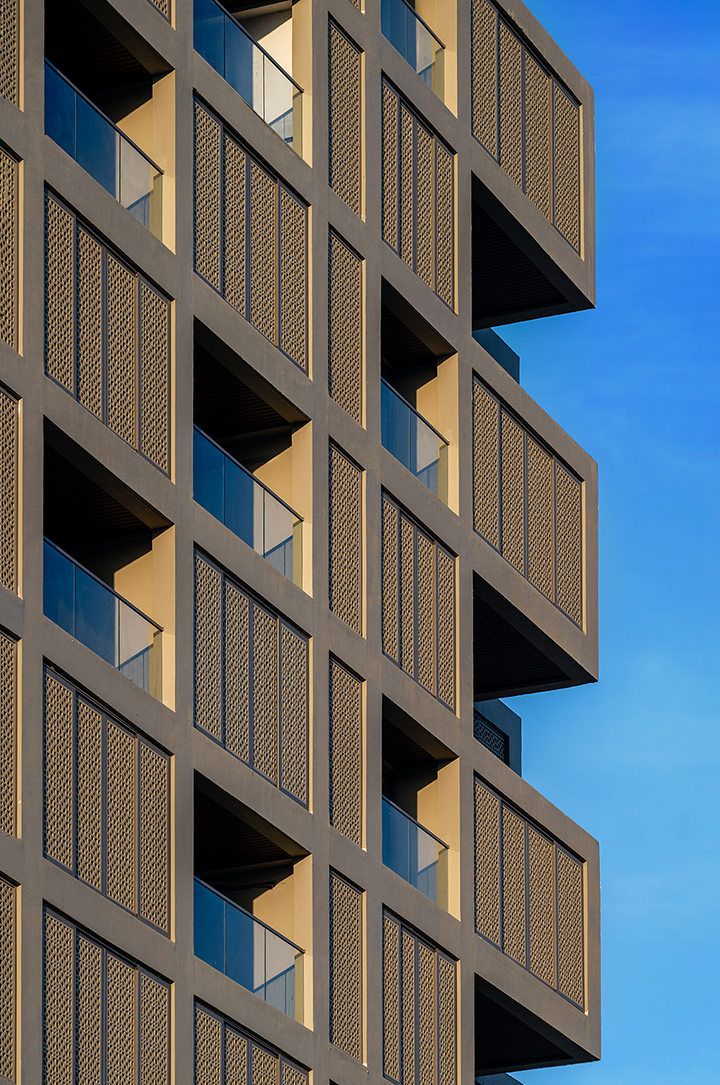
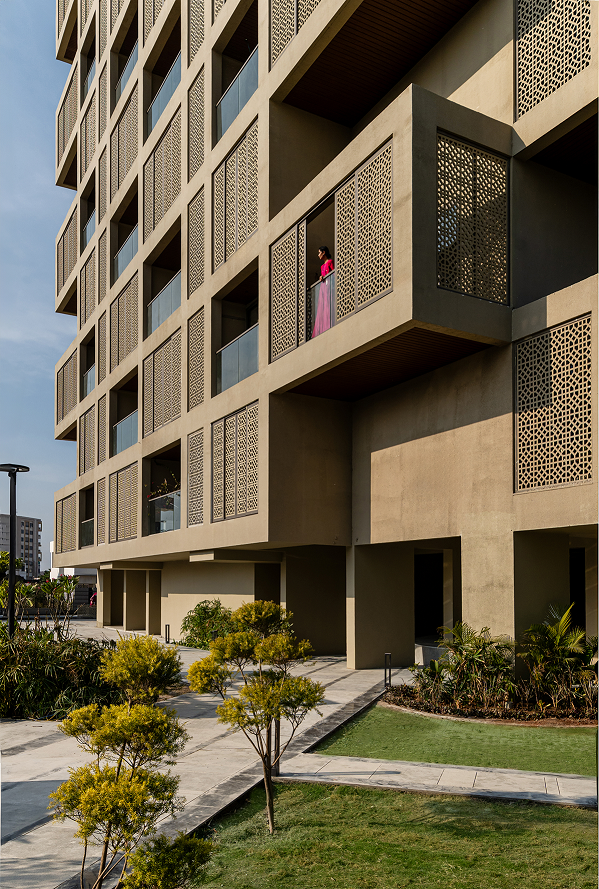
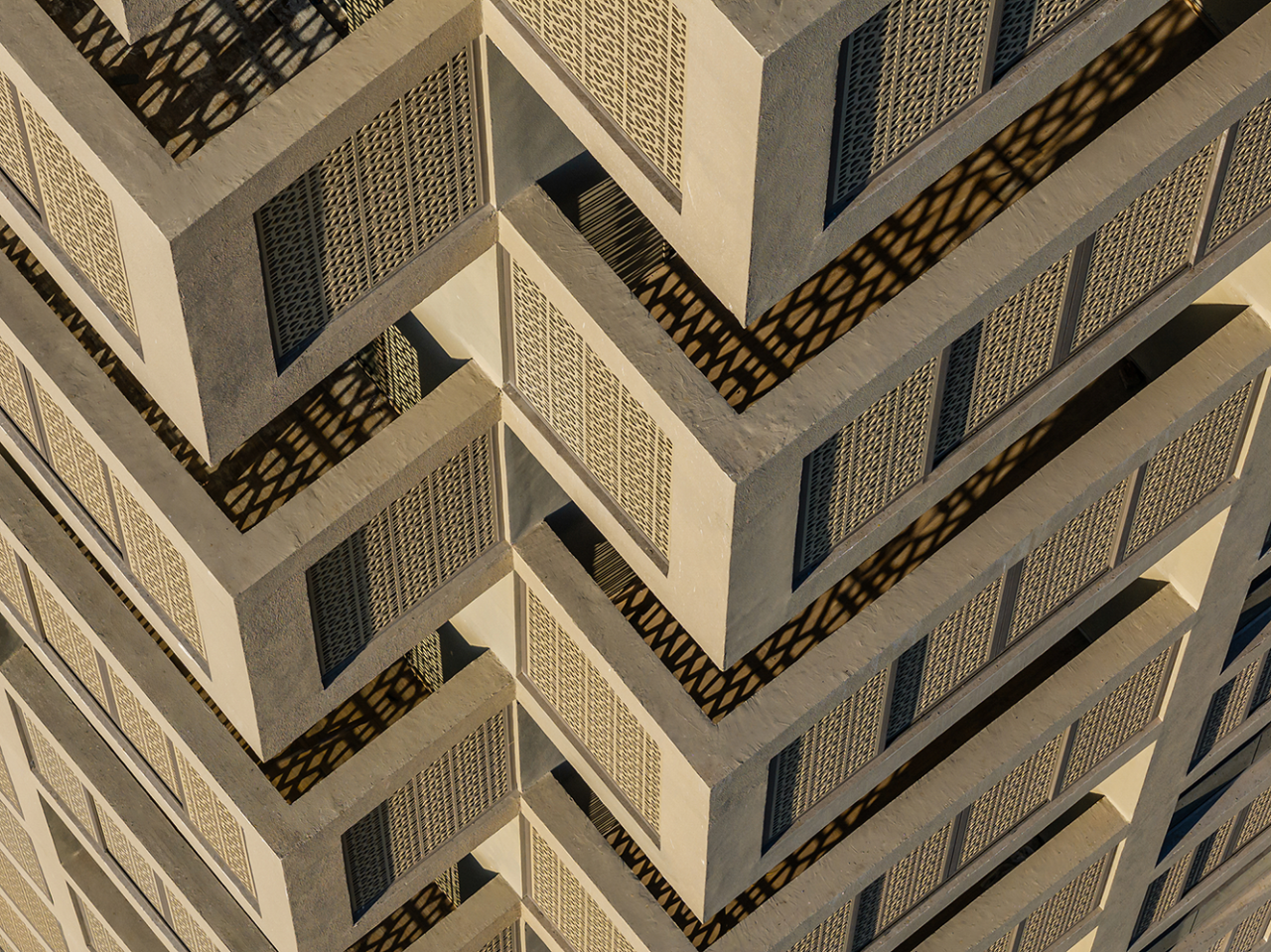
• The building is a series of volumes with Double height decks and balconies, materials & compositions of Jaali, Exterior wall finishes and landscapes at terrace and stilt level that simultaneously merge into each other.
• Each floor accommodates four apartments arranged in quadrants, enabling every unit to face two adjacent facades for optimal ventilation and scenic views of the surrounding Aravalli hills.
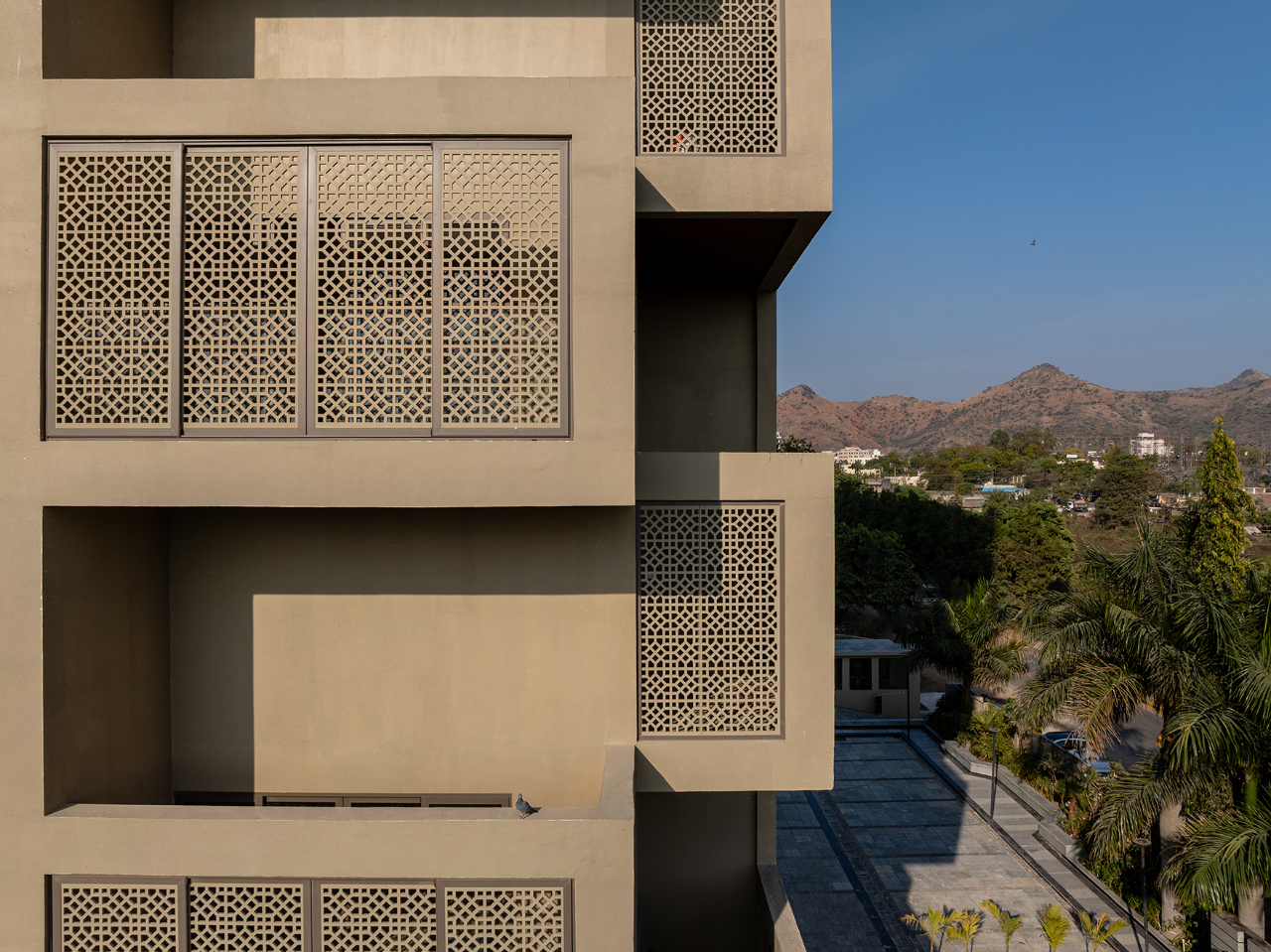
• Design Innovations: Each apartment features five balconies: one attached to the living room and one to each of the four bedrooms. These vary between open and screened decks, providing flexible indoor-outdoor transitions. One balcony per unit is a 20-foot-high double-height deck, while others are single-height. Alternating balconies feature a screen allowing residents to regulate their exposure to light, air, and privacy based on seasonal conditions. These lightweight, movable screens transform the balconies into dynamic thresholds, simultaneously enhancing thermal comfort and visual rhythm. This passive shading strategy reduces solar heat gain making the building responsive to the region’s extreme temperatures, which often reach up to 48°C in summers.
• Sustainability: Environmental responsiveness extends to water management and material choice. Rainwater from balconies and terraces is collected via integrated drainage systems and stored in a harvesting tank. Greywater is treated and reused for landscape irrigation. All internal partition walls are constructed using fly ash bricks, a by-product of thermal power plants that offers lower embodied energy and improved insulation.
• Aesthetics: Locally sourced sandstone is used for site perimeter walls and landscape elements, providing thermal mass and establishing visual continuity with Udaipur’s historic fabric. The project reinterprets elements of vernacular architecture of the region, particularly the use of screens called “jaalis”.
• Materials: Jaali Materiaal used is Indowood. Indowood screens reduce the heat gain in response to the hot climate in the summer months, which are in excess of 40°C. It is also a green product made from rice husk.
Screen 504 offers an alternative to the generic high-rise typologies proliferating across India’s tier-2 cities. It proposes a replicable model for urban housing that is environmentally sustainable, culturally embedded, and spatially rich. By drawing on centuries-old wisdom and reimagining it for modern needs, the building demonstrates how Indian architecture can evolve without losing its identity. In doing so, Screen 504 sets a precedent for future residential developments in regions with similar climatic and cultural contexts.
Sanjay Puri Architects

Sanjay Puri is a renowned Indian architect recognized for his innovative and sustainable design approach. He is the Founder and Principal Architect of Sanjay Puri Architects, a firm that has been ranked at number 32 on Archello’s list of Top 100 architects worldwide and are listed in Arch daily’s list of Top 100 architects worldwide and in the WA UK top 100 architectural firms as well as the Architizer New York’s top130 architecture firms in the world.
The firm has won 405+ international and national awards, including the most WA Awards. Puri became a member of RIBA in 2020 and continues to hold this honor. With a 108-member team, his firm undertakes diverse projects across the hospitality, residential, commercial, and institutional sectors, creating context-driven, sustainable architecture.
Evolving design solutions that are contextual and sustainable and creating spaces that explore spatial perceptions, with new design directions forms the essence of the firm’s design philosophy.