 International Architecture & Design Awards 2026
Woodson African American Museum of Florida
STORYN Studio for Architecture
Cultural & Arts Centers
Woodson African American Museum of Florida — IADA 2026 award
Woodson African American Museum of Florida received Platinum Winner recognition at the International Architecture & Design Awards 2026 in Cultural & Arts Centers. Project status, design team and credits are listed alongside the presentation.
About the project
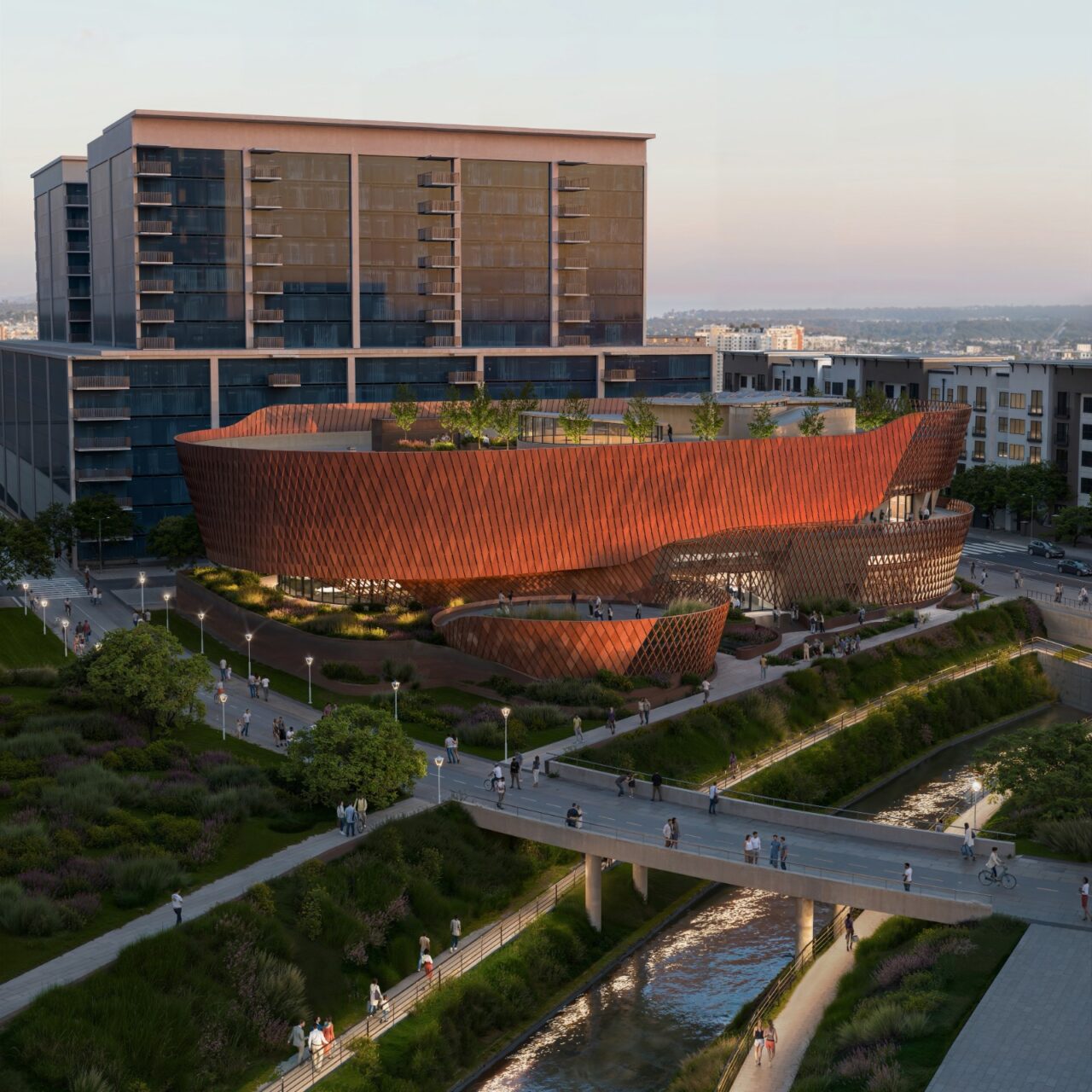
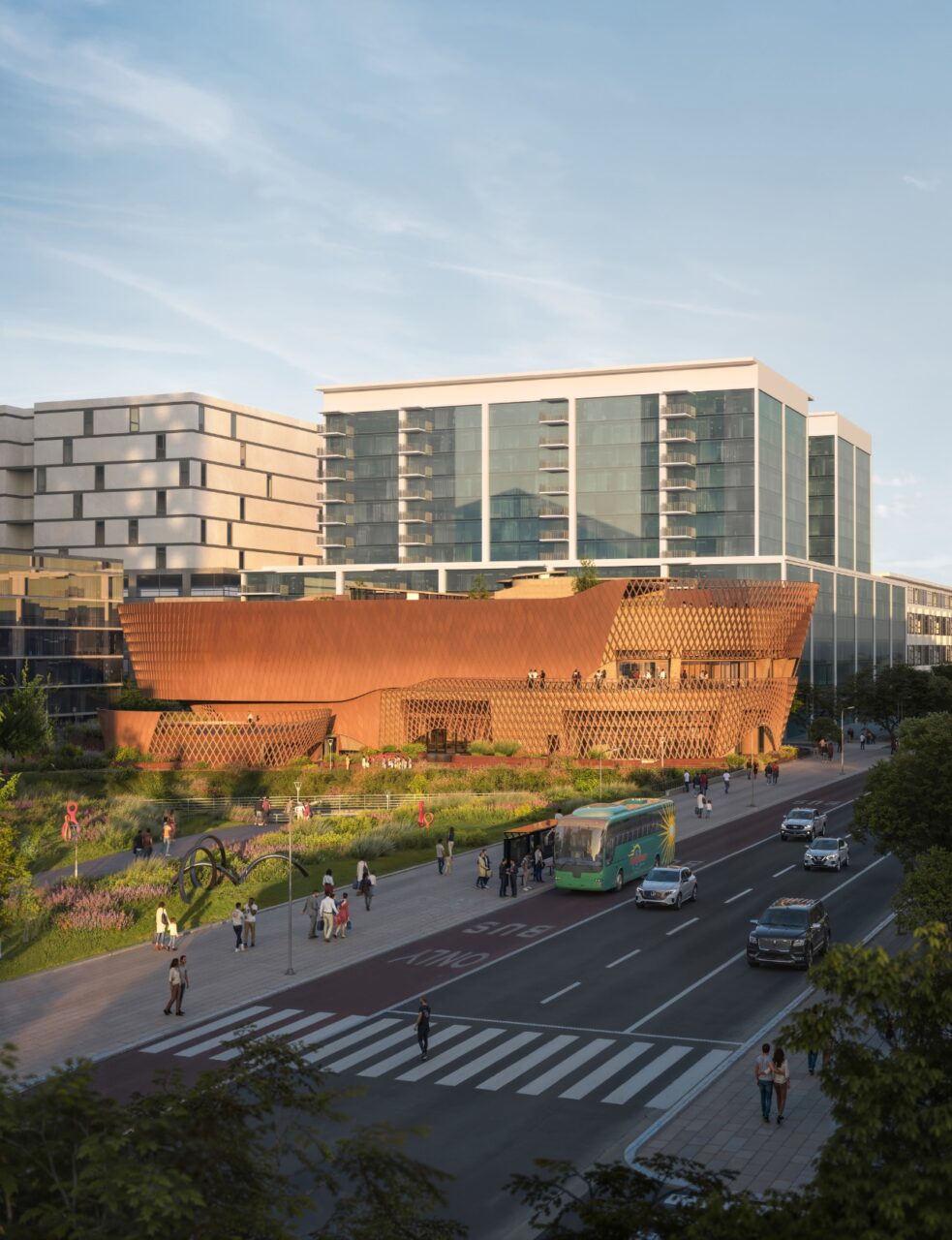
The new home for The Woodson African American Museum of Florida will be a cultural beacon within the city of St. Petersburg, Pinellas County, the Tampa Bay area and beyond.
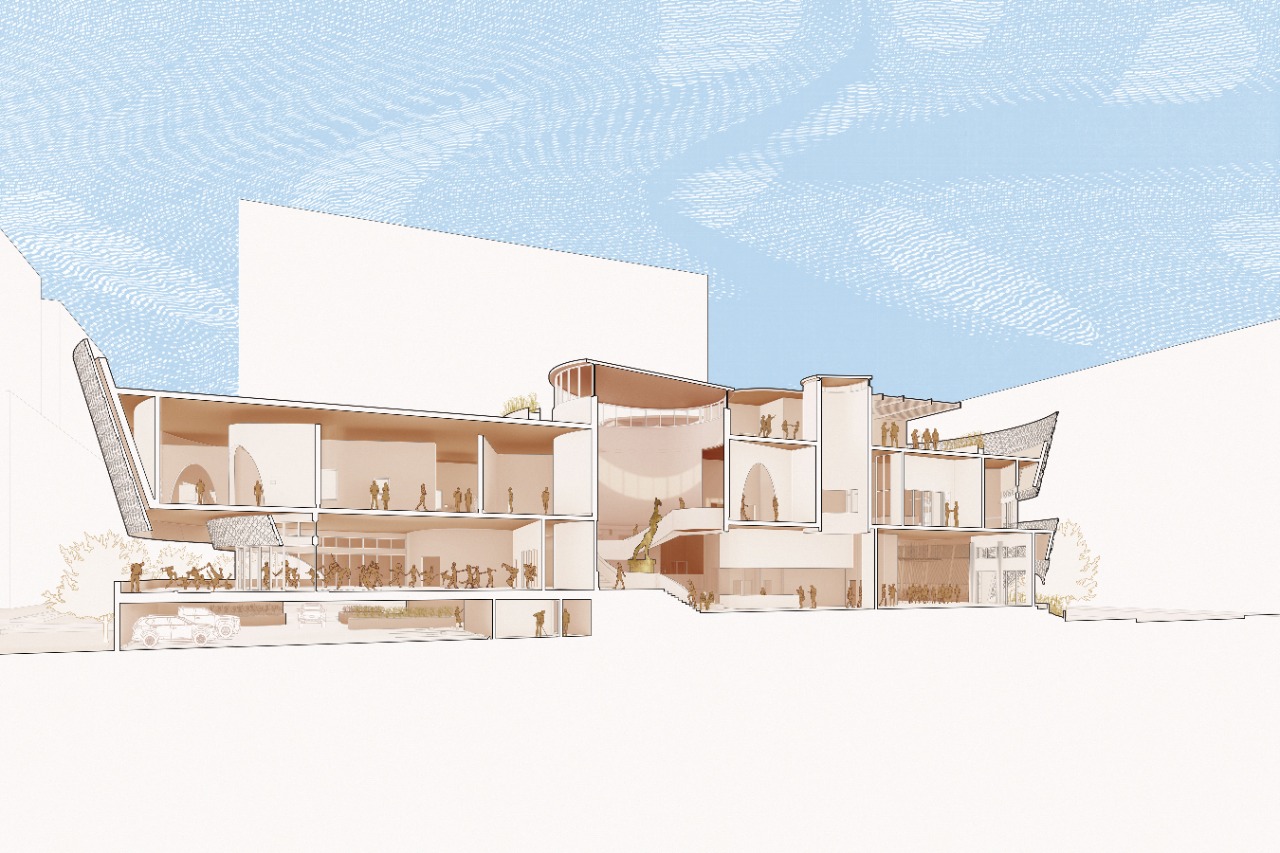
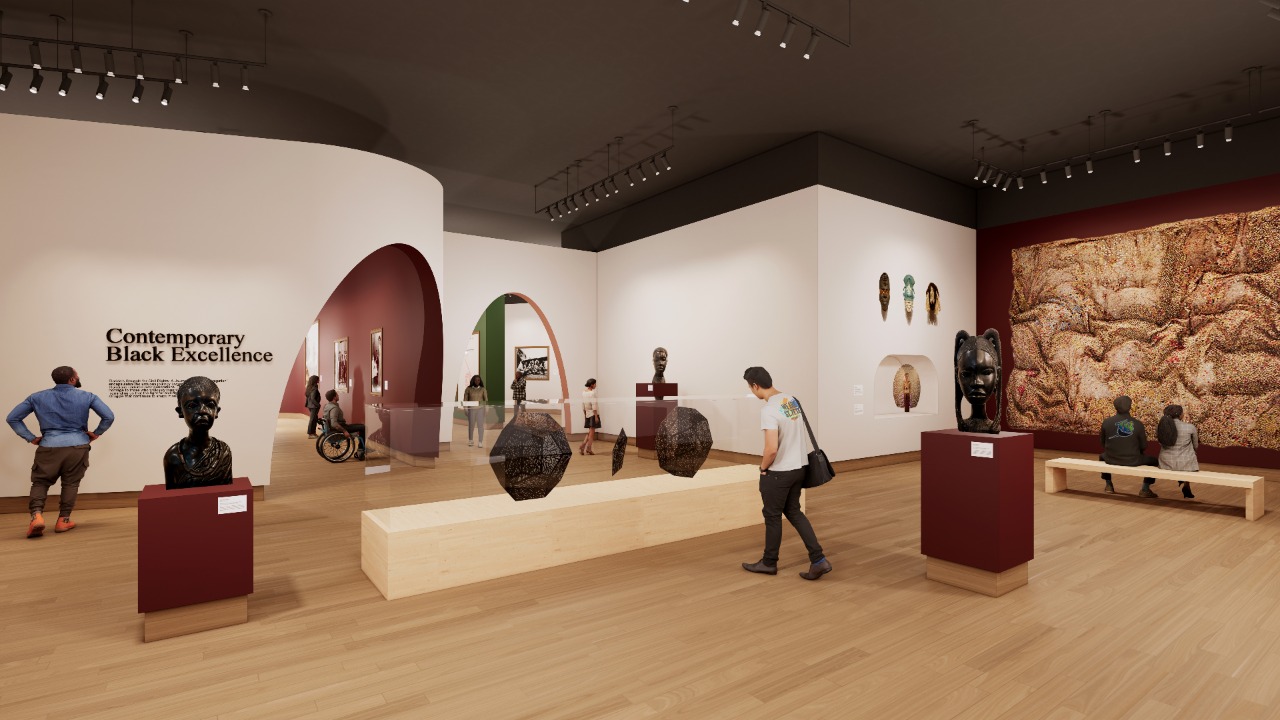
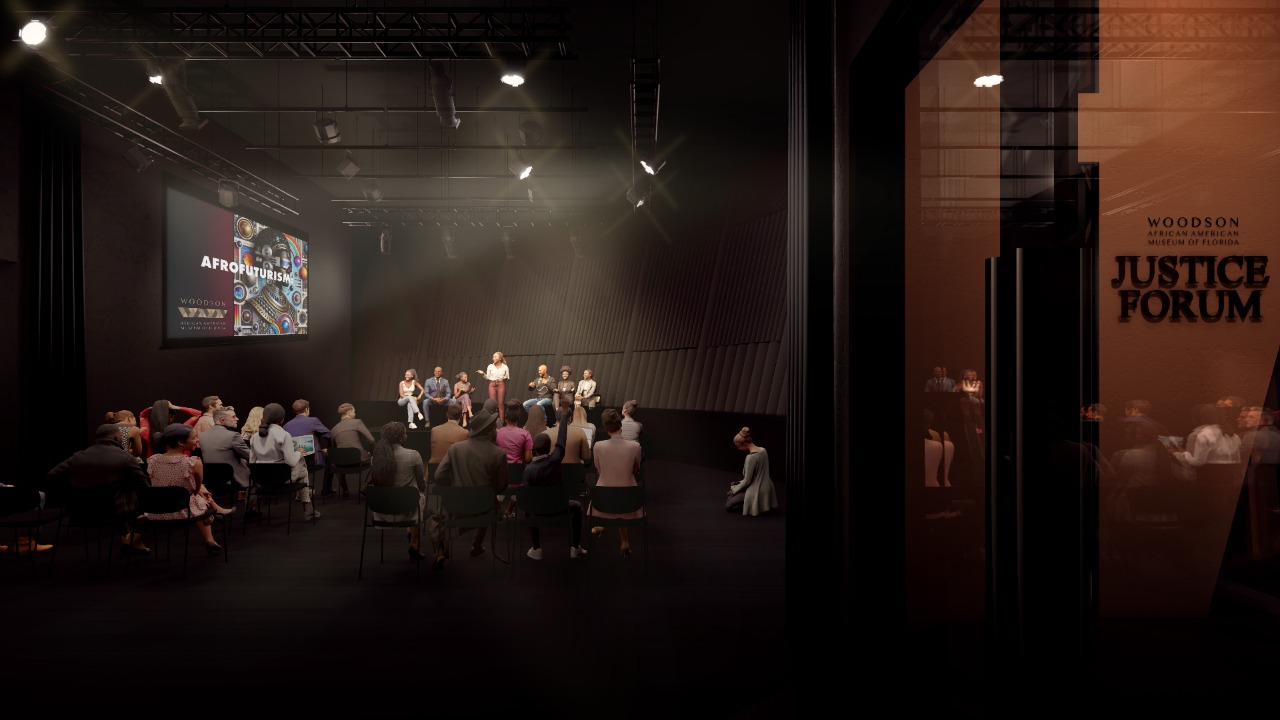
The museum will span 40,000 square feet and will feature four permanent galleries, an orientation theater, and a gallery for visiting exhibits. Inspired by the lens of Afrofuturism, these spaces will highlight themes of innovation and creativity, fostering a deep connection between visitors and the rich cultural narratives of the African diaspora. The museum design is committed to meeting the requirements of a Smithsonian Affiliate, ensuring it adheres to the highest standards of exhibition and scholarship.
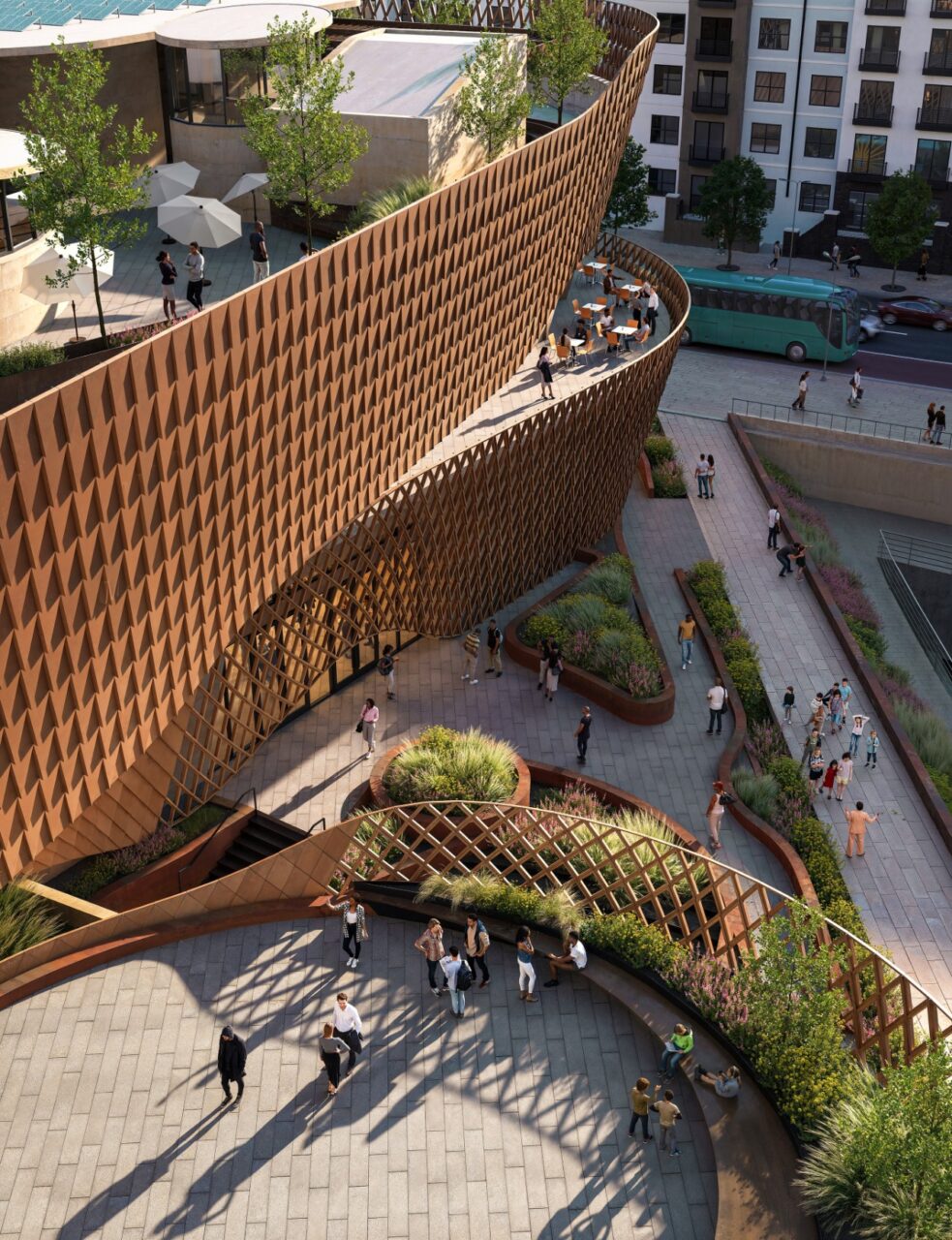
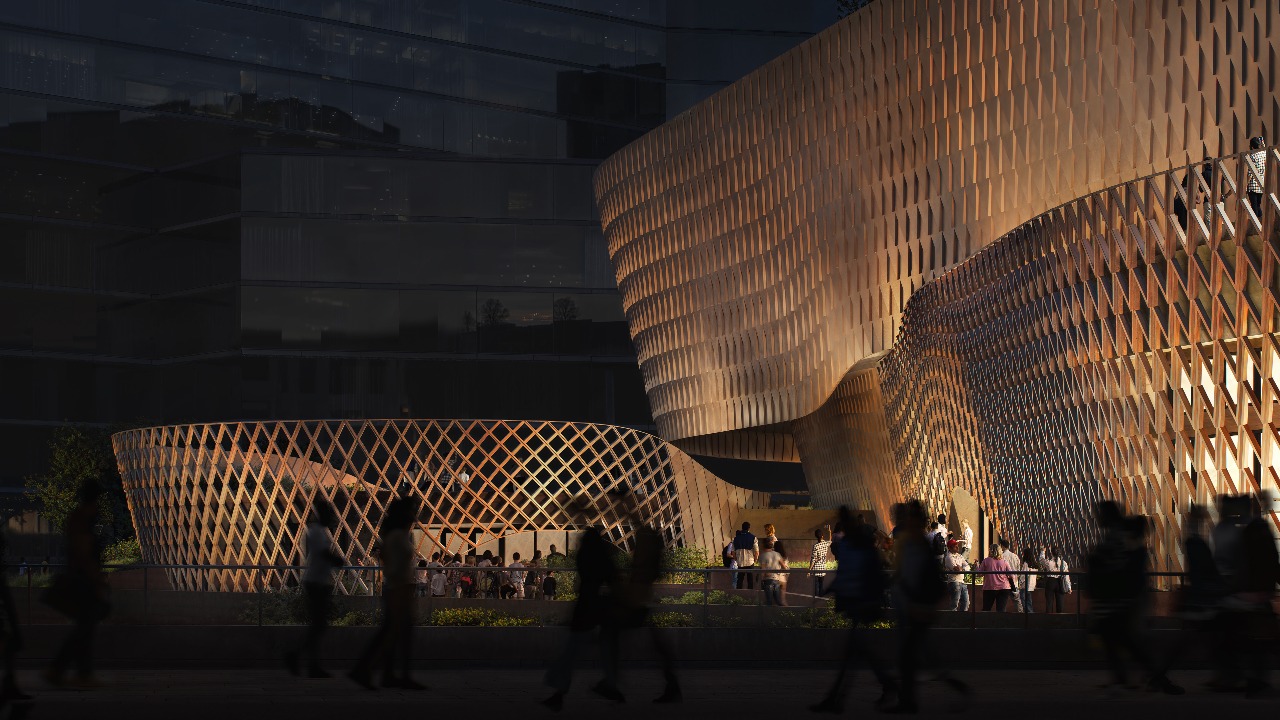
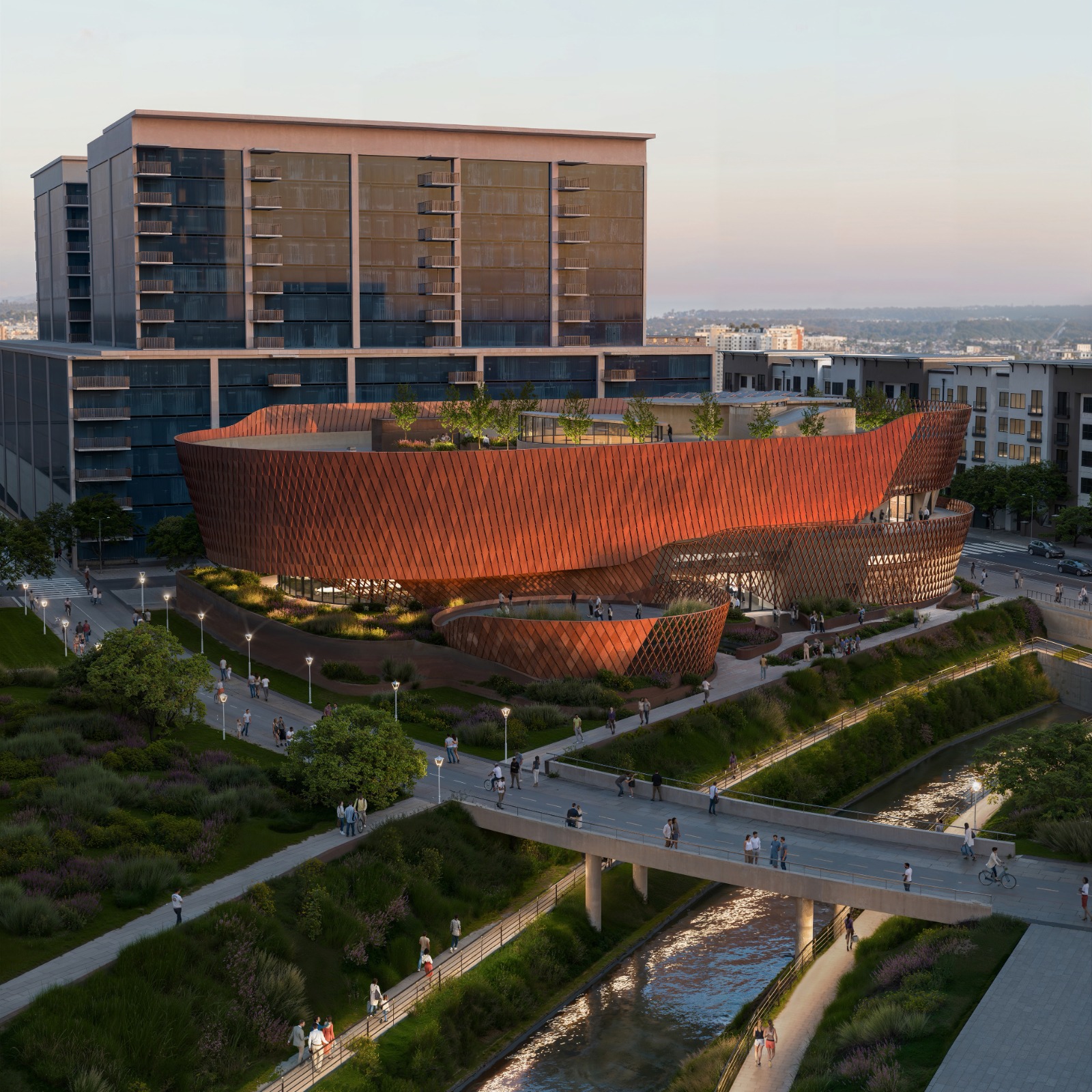
Rising from the Earth, precast concrete panels will create a distinct form, extending the site’s influence on those within view. Drawing from the pattern and shape of Zulu beadwork necklaces, the design symbolizes the deep roots and the ongoing influence of African craftsmanship, an organic quality that will connect the project to its landscape while embodying the cultural richness it represents. Traditional African construction methods often incorporate sustainable practices that are adapted to local climates, available resources, and community needs. Applying these principles to the climate of St. Petersburg would result in a building that leads in environmental stewardship.
The vision for the project begins with the museum’s core responsibilities: safeguarding its collections and creating spaces that inspire appreciation, celebration, reverence, reflection, and awe. From there, the design integrates Afrofuturism by incorporating advanced construction technologies, drawing parallels between the untapped potential of museology and the unfolding narratives of African futures. Every design decision has been evaluated against these principles, ensuring a project that serves and enriches the community for generations. By prioritizing these values, the museum will become not just an exhibition space, but a vibrant hub for cultural dialogue, community engagement and educational opportunity.
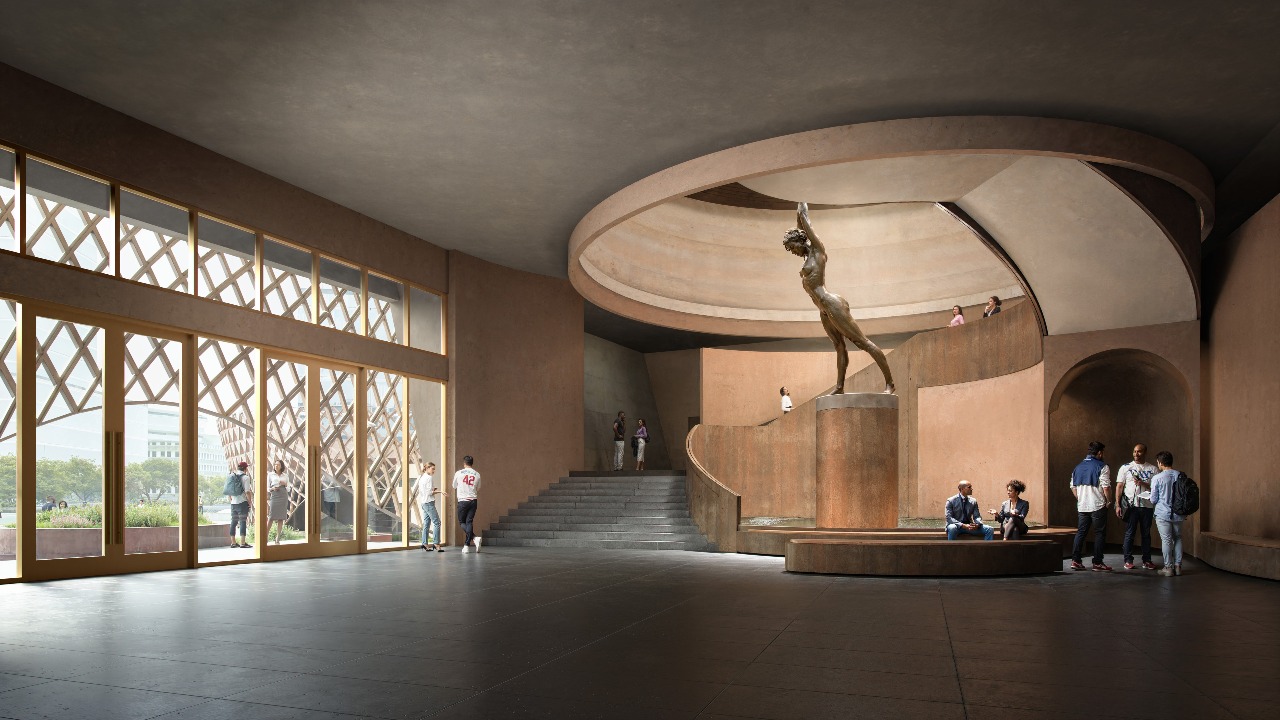
Upon entering the lobby, visitors will encounter a distinctive architectural feature, the ceremonial Grace Staircase, which will lead visitors on a curated journey upward. With each ascending step, Basil Watson’s captivating sculpture will unfold, creating a sense of journey and discovery that will encourage visitors to reflect on their own narratives as they navigate the space.
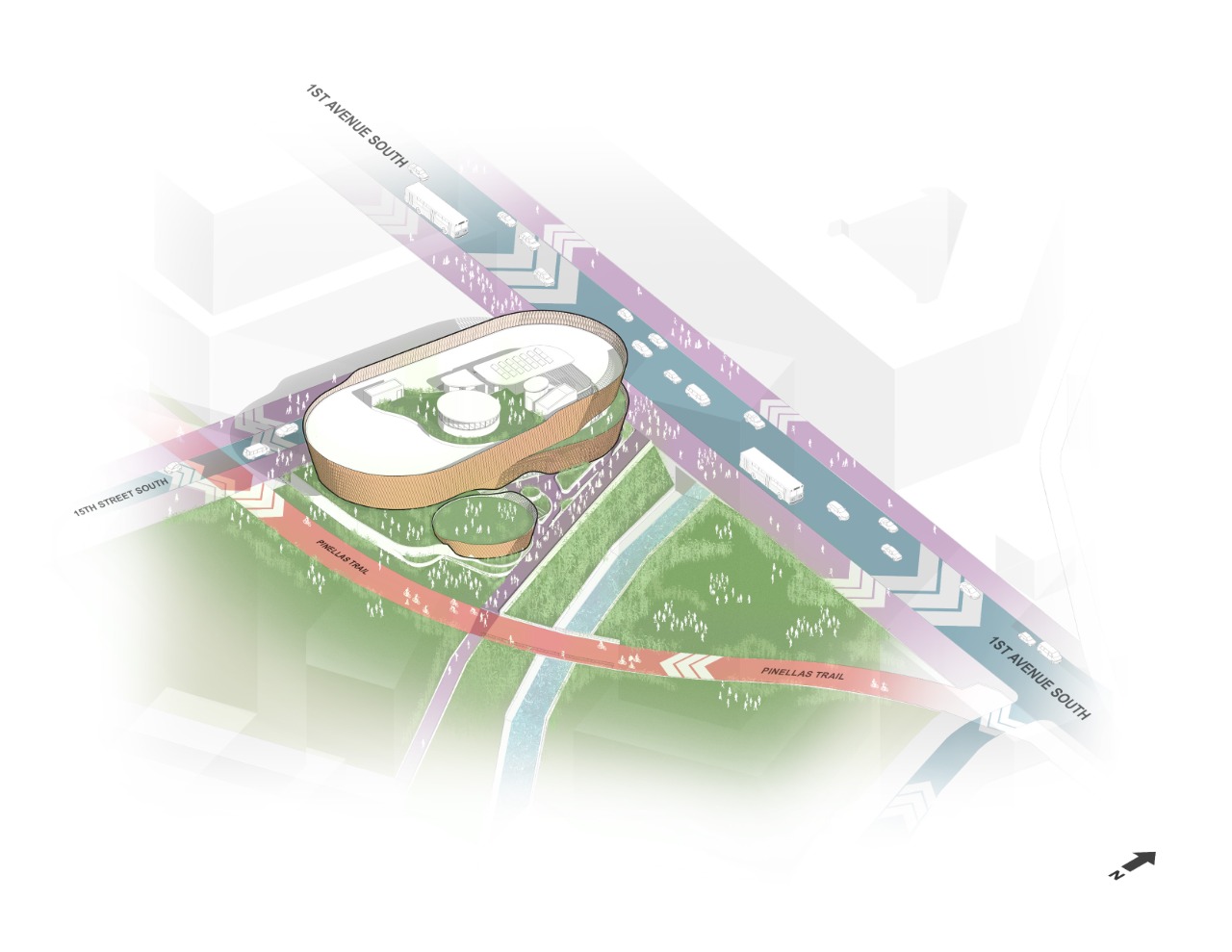
Adjacent to the Grace Staircase, a versatile 4,000 square-foot event space will accommodate a range of activities. This space is designed to seamlessly connect with the outdoors, opening onto an event lawn and sculpture garden shaded by the building’s overhangs and native Florida vegetation. Additionally, the rooftop will feature a 5,000 square-foot outdoor venue that overlooks Booker Creek, providing a backdrop for events and allowing visitors to engage with nature while experiencing the energy of the area.
STORYN Studio for Architecture

STORYN is a group of urbanists, researchers, architects, and interior and product designers. STORYN, as a practice, uniquely balances its work at both the local scale and the international scale, providing precise research of a community’s ethos and project parameters to foster unique spaces that tell a project’s sole story. STORYN’s deeply researched problem-solving strategies result in creative, technologically advanced solutions, designed efficiently and on budget. STORYN embraces projects with numerous complex parameters, and we are interested in distilling the client’s vision and complex constraints to a cohesive design essence. STORYN is committed to civic engagement and how design can promote stronger communities, create more inclusive spaces, foster place making to a neighborhood, and be identity affirming to individuals within a community and greater city.