 International Architecture & Design Awards 2026
Zig Zag House and Hut
HADA
Household & Residential Building Design
Zig Zag House and Hut — IADA 2026 award
Zig Zag House and Hut received Bronze Winner recognition at the International Architecture & Design Awards 2026 in Household & Residential Building Design. Project status, design team and credits are listed alongside the presentation.
About the project
Concept Statement
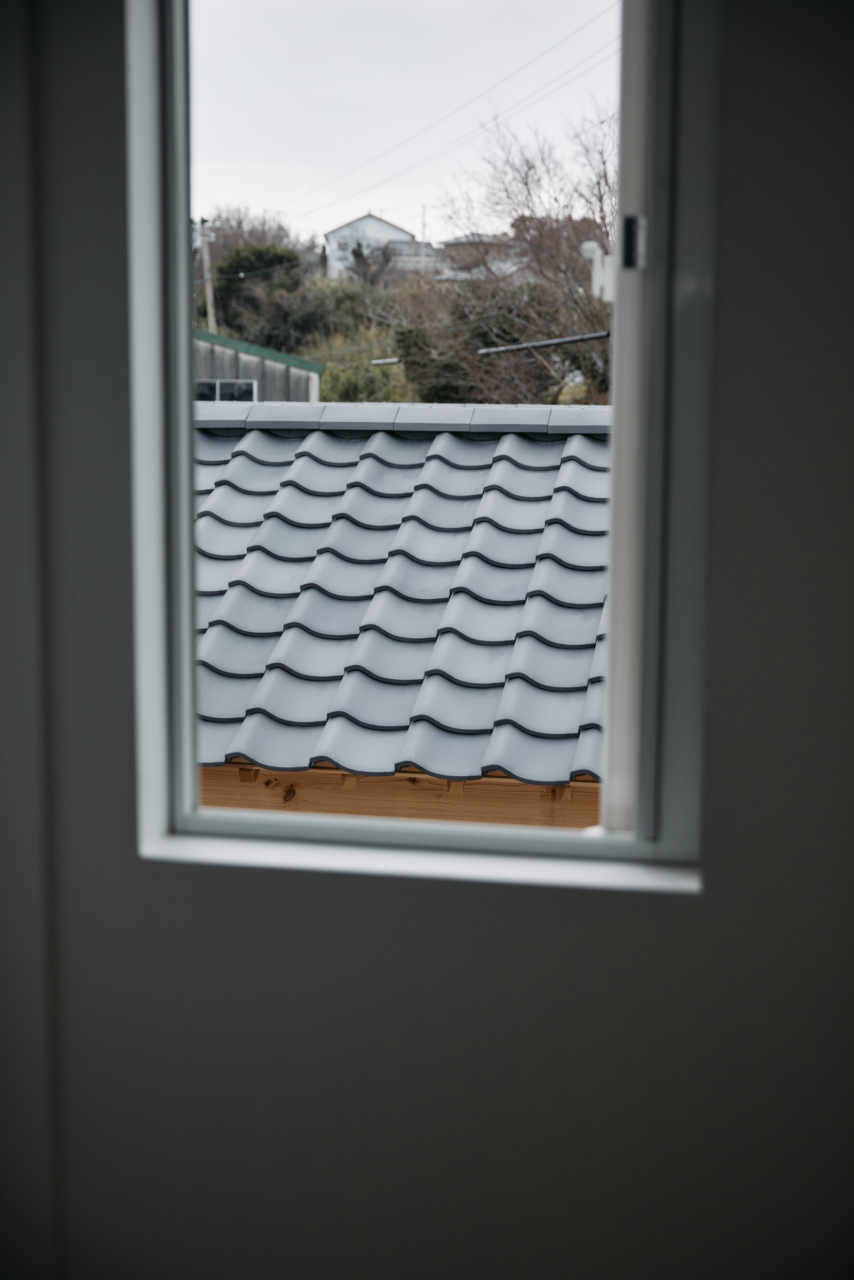
A townscape emerges from the quiet rhythm of multiple buildings and the roofs that crown them. To play an integral role in the cultural inheritance of the kawara roof tile production that has sustained this region for 400 years, this project is articulated through several roofs gathered within a single site. In doing so, it carries its heritage forward in its own form and shapes the identity of the community.
Overview
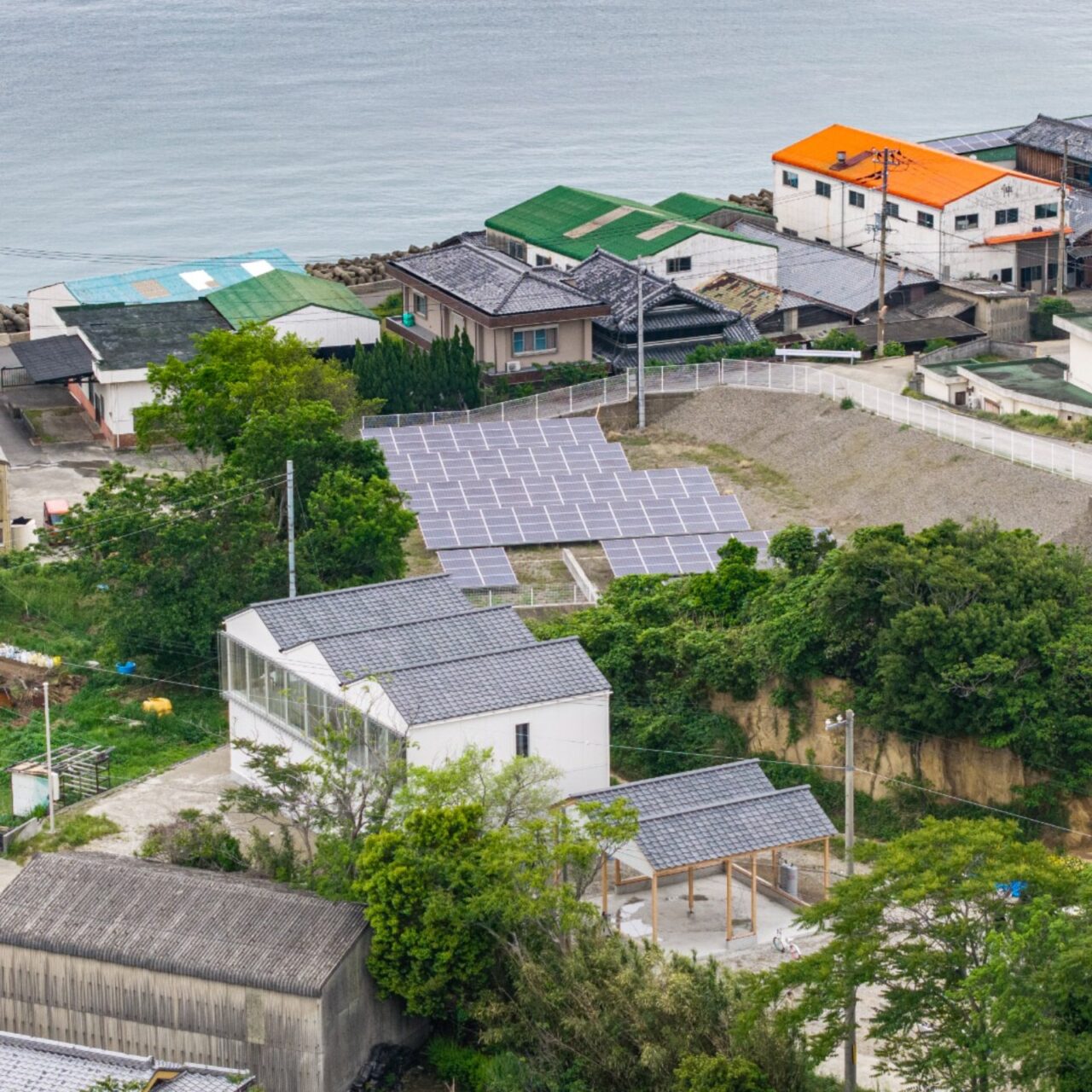
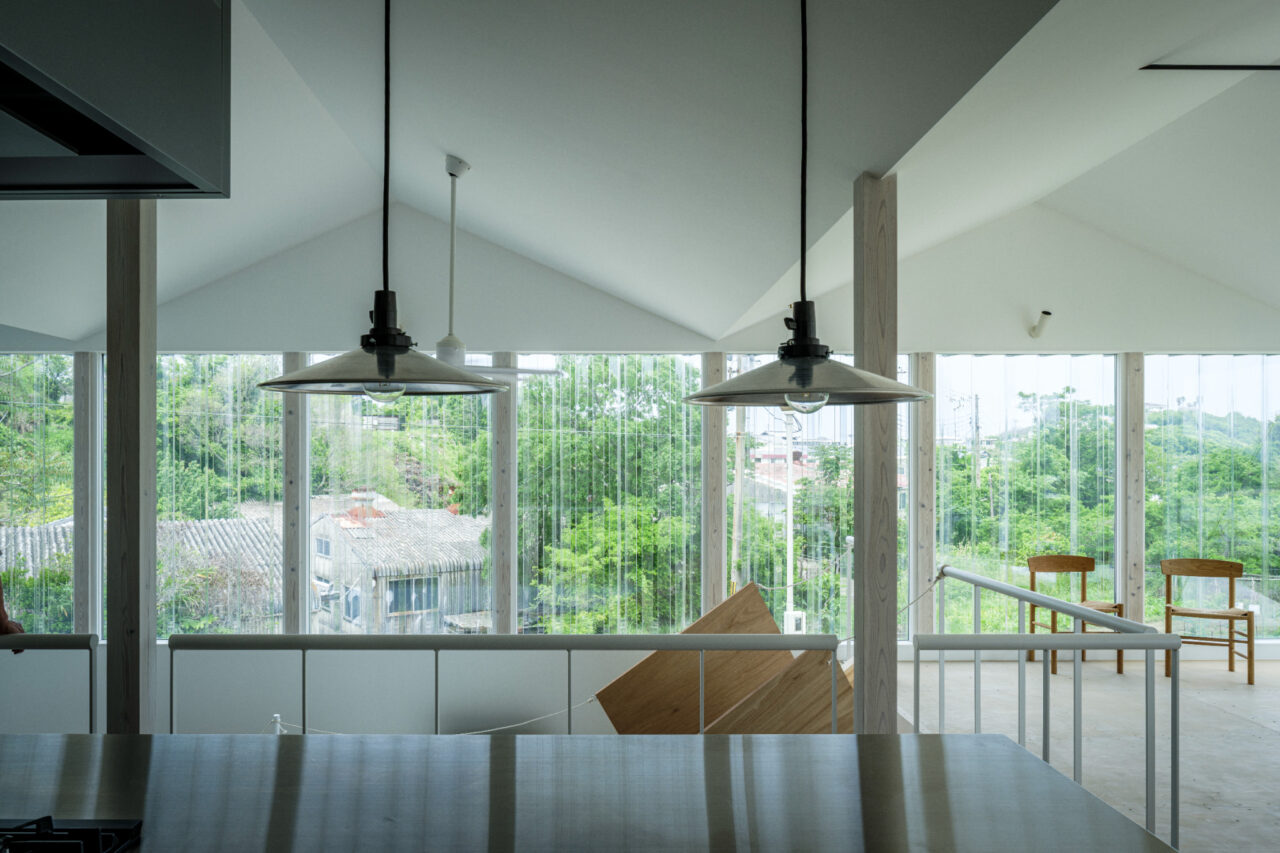
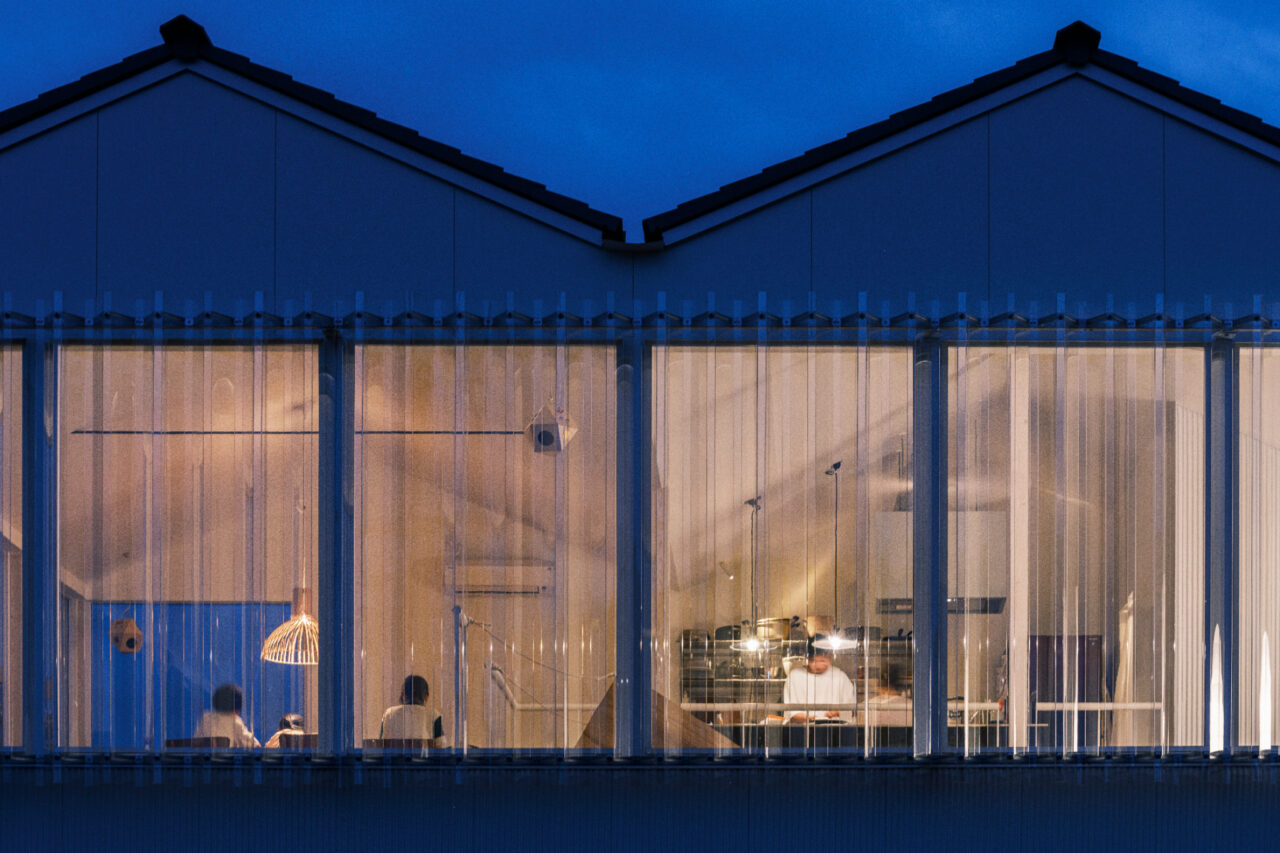
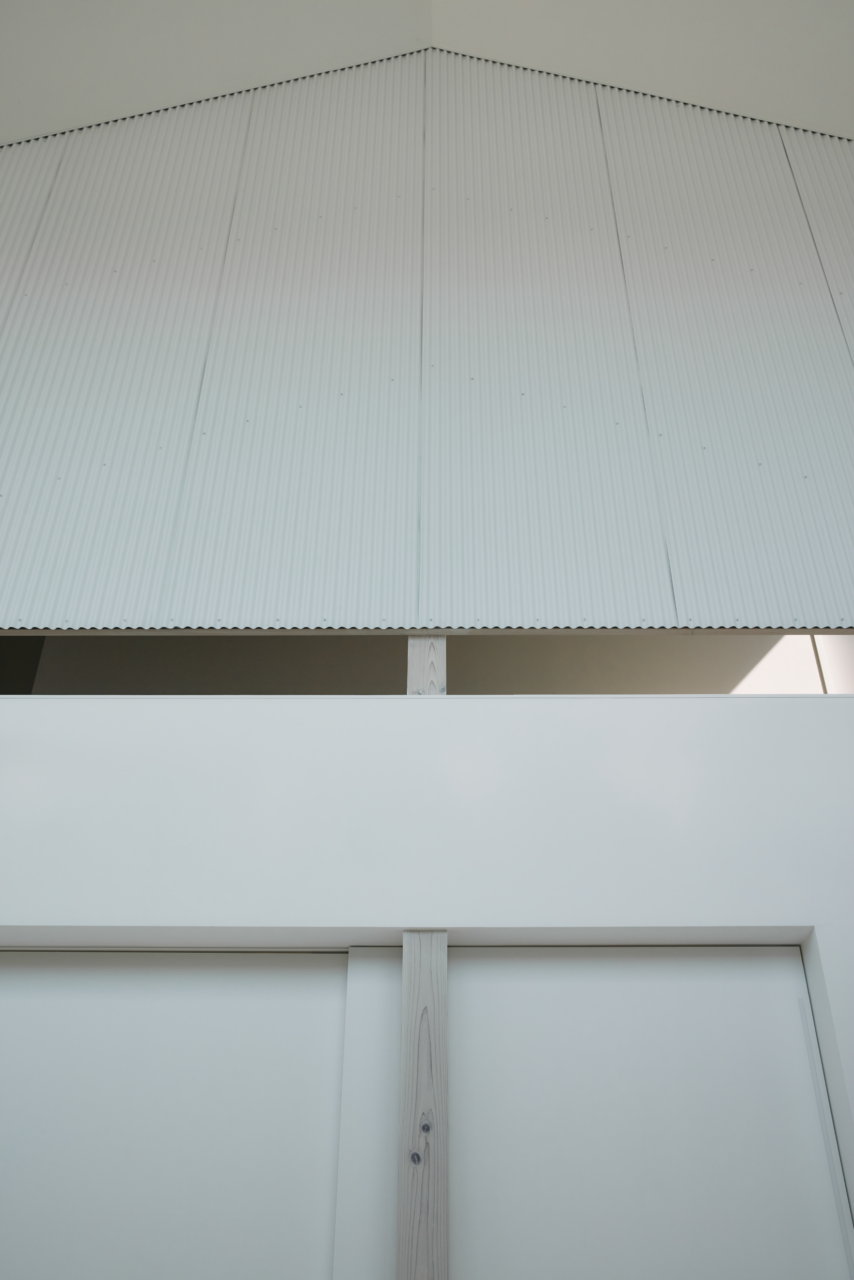
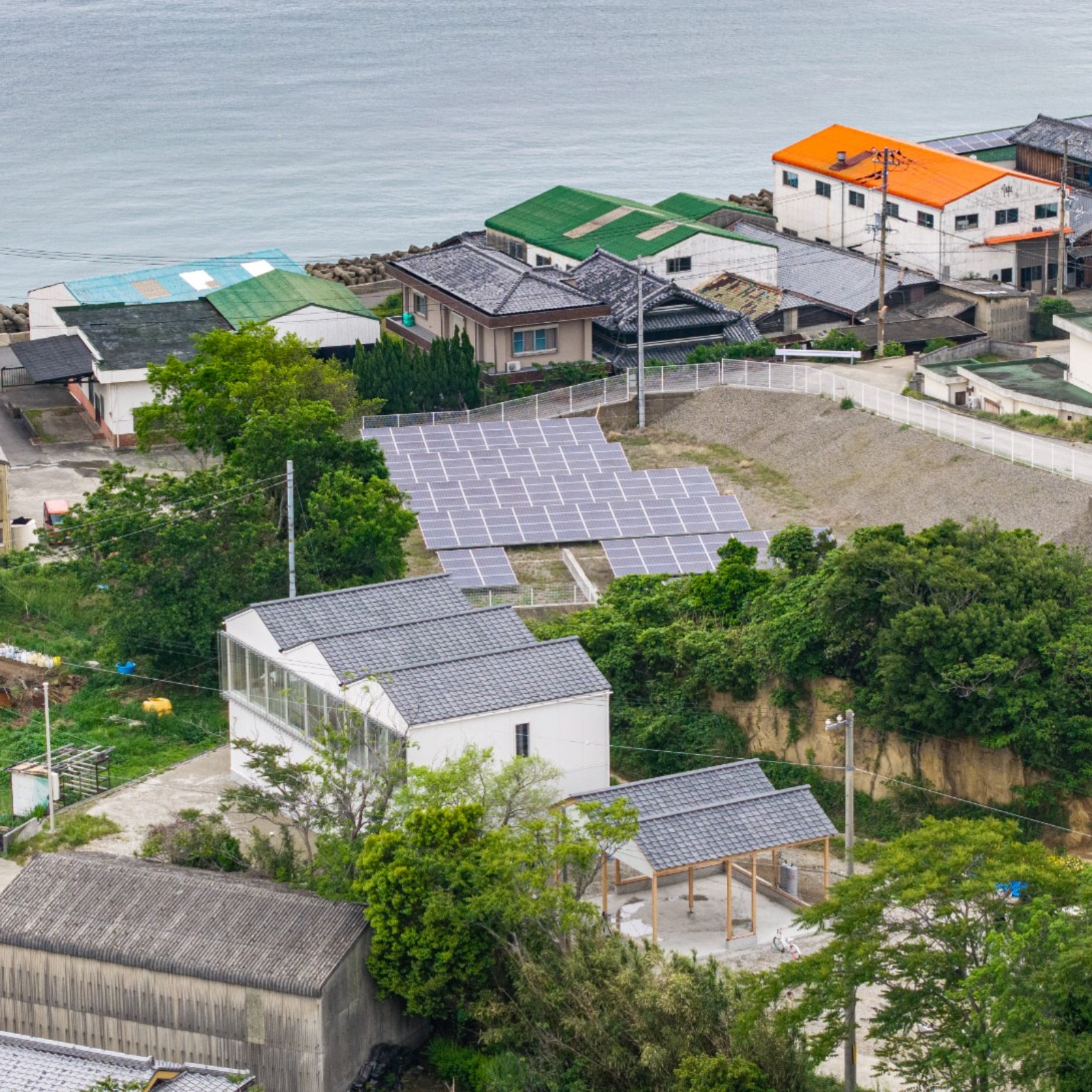
Five consecutive gabled tile roofs—comprising the main house and pavilions—are arranged in a zigzag sequence. As traditional tiled roofs gradually disappear and the townscape transforms, this composition reconstructs a continuous roofscape within a single site, reinterpreting and carrying forward the region’s cultural and visual identity. The interior follows the geometry of the roofs, forming sloped ceilings throughout. By setting the minimum ceiling height at 2,280 mm—within reach—the design fosters an acute awareness of the relationship between the human body and architectural scale.
Location
This house is located on Awaji Island in Hyogo Prefecture, a region known for its traditional tile production. To the east of the site lies a large residual hill, allowing a close connection to soil, vegetation, and wildlife. The road in front carries very little traffic, resulting in minimal external disturbance. Within this layered context, the client sought a home where the family could feel connected to the region and its culture, while allowing each member to express their individuality.
Interior
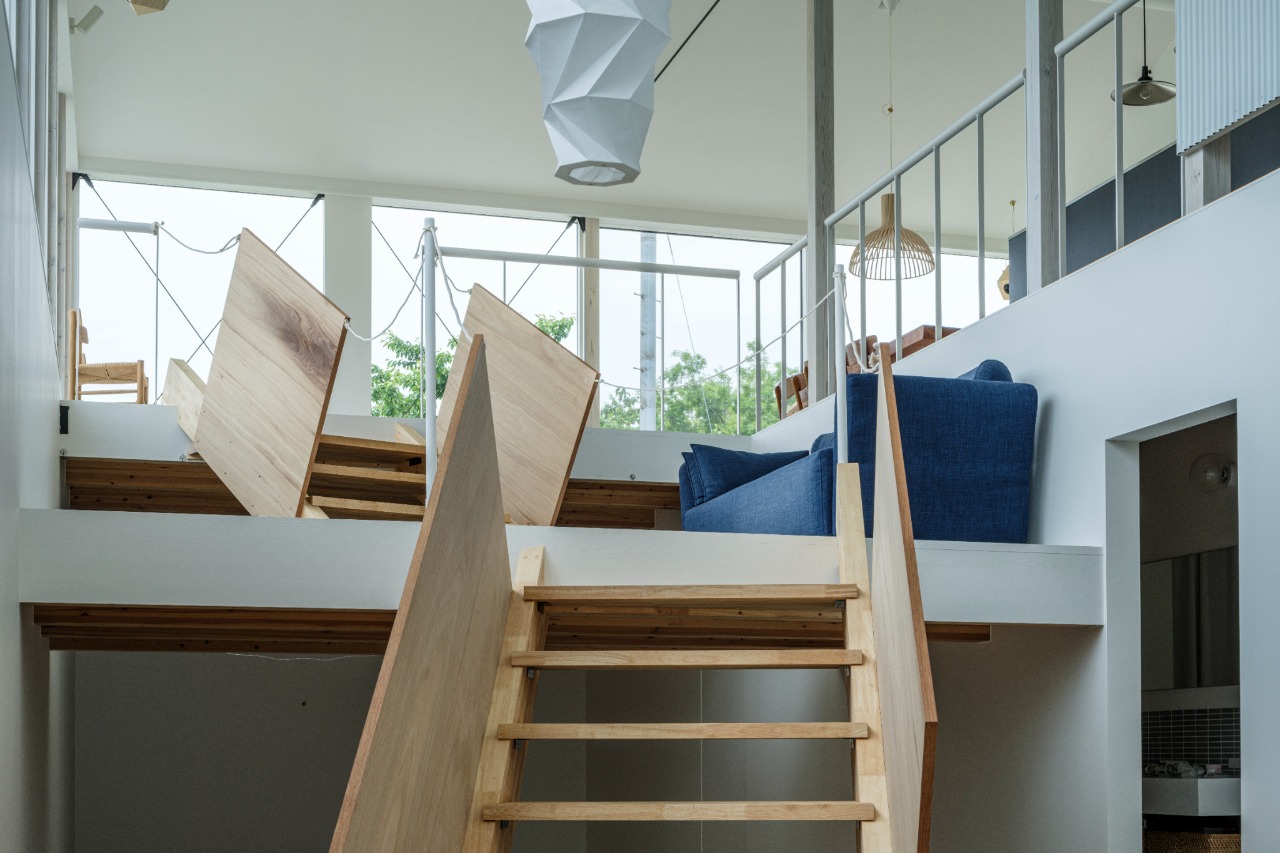
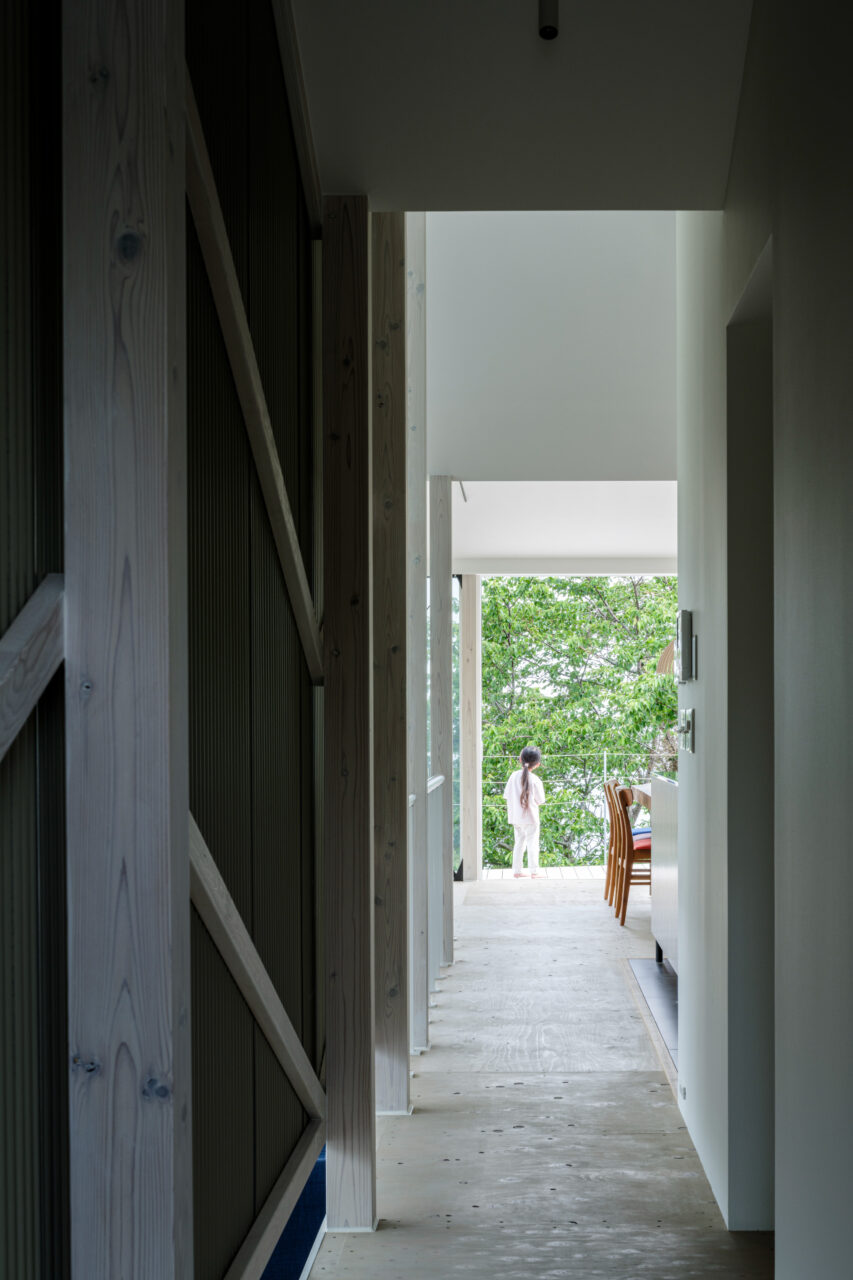
Private rooms necessary for daily life, such as bedrooms, bathrooms, and storage, are connected by a double-height concrete-floored space, both horizontally and vertically. More than half of the total volume is left functionally undefined, allowing each family member to appropriate and use the space freely, fostering a strong sense of belonging.
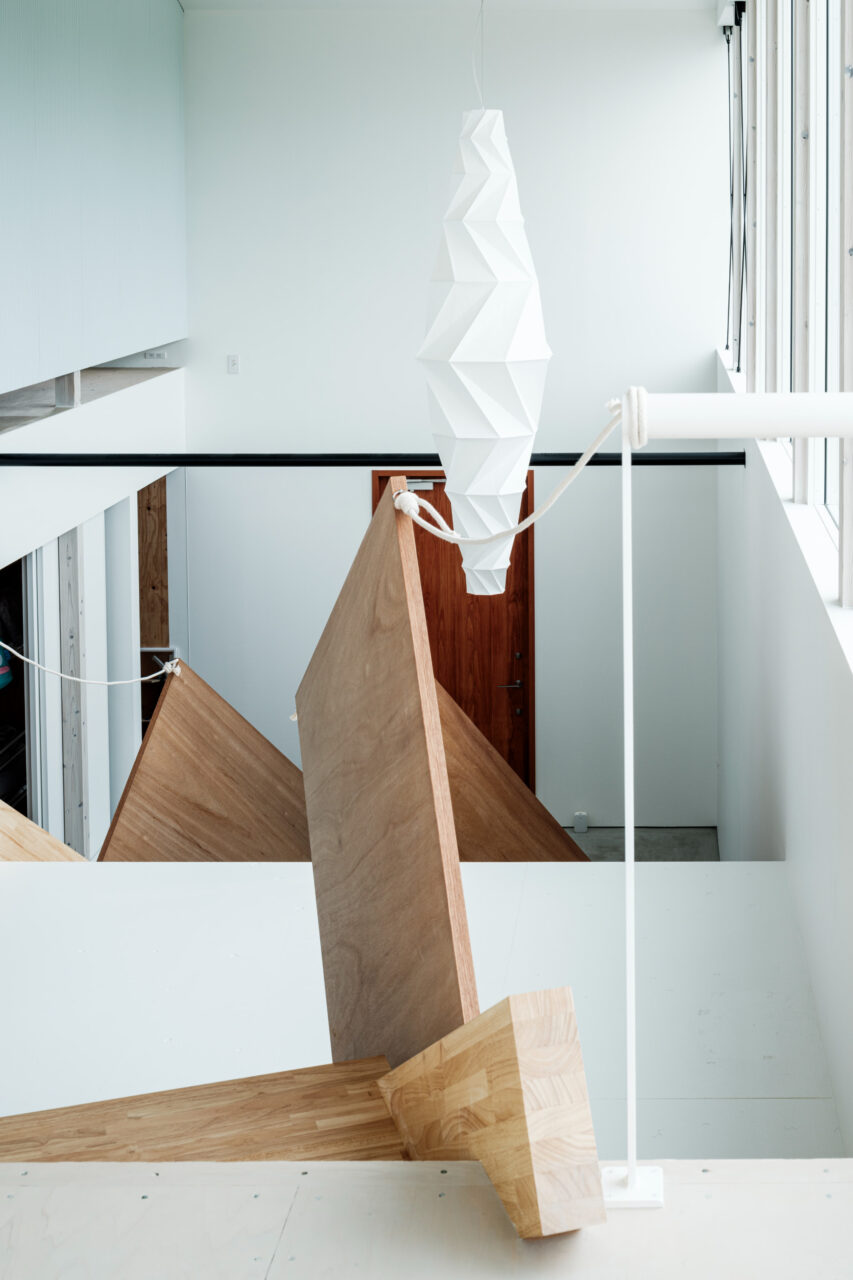
The interior is unified by a predominantly white palette while retaining the textures of materials such as steel, wood, resin, fabric, and plaster, anticipating the gradual accumulation of the family’s belongings. Exposed steel structural elements are painted black, while the central staircase preserves the natural expression of wood. The aim is to create a space where the family’s lived world and the architectural environment stand in equal dialogue.
Site
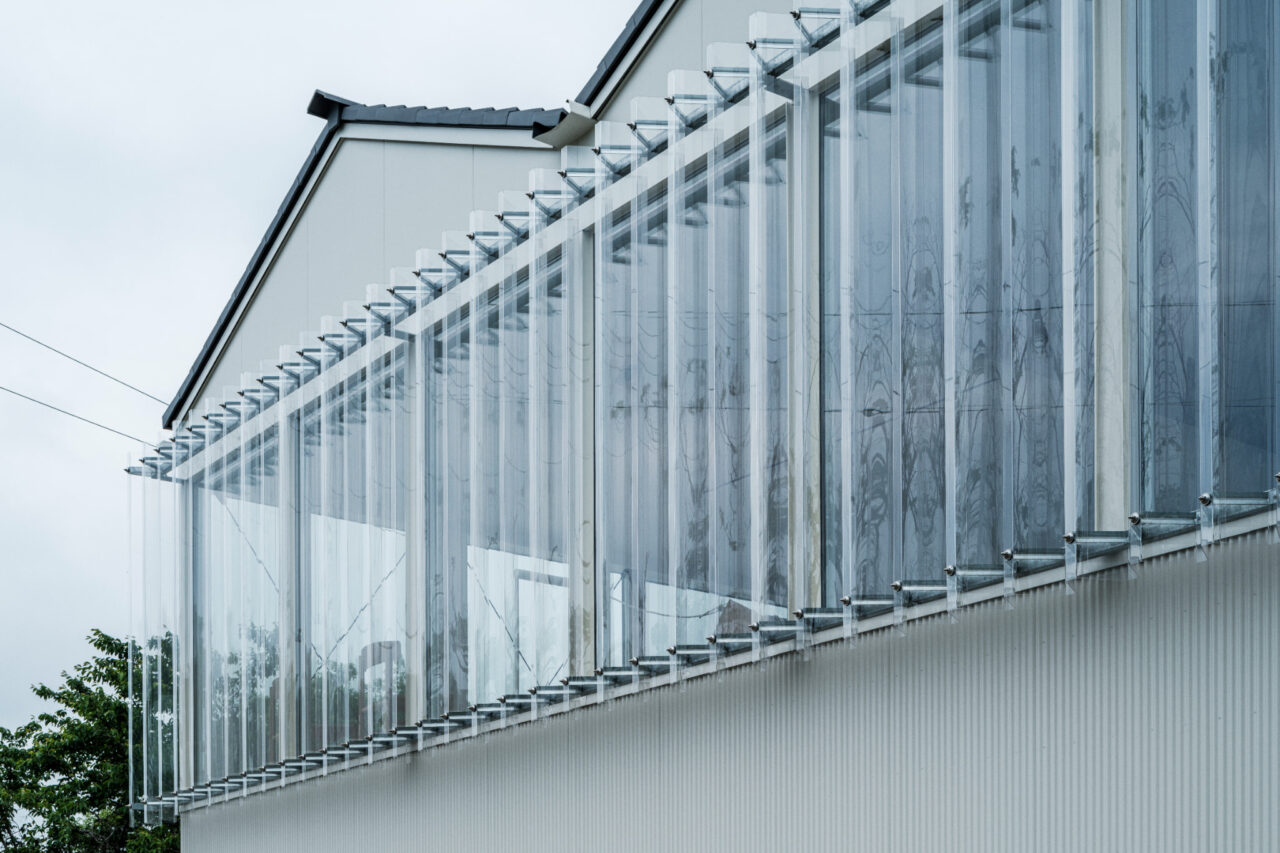
In response to cliff regulations associated with the eastern hill, the building is rotated 41 degrees on the site. This orientation opens views from the second floor toward the Seto Inland Sea, the sunrise, and cherry blossoms on the adjacent site. As privacy concerns from the front road were considered minimal, the northwest façade is fully glazed, bringing the surrounding environment and seasonal changes into everyday life. A polycarbonate screen installed in front of the glazing introduces a gentle, dappled light reminiscent of sunlight filtering through trees.
HADA

HADA is an architectural practice that approaches architecture as a medium for questioning the present and imagining what lies ahead. Rooted in local culture, climate, and context, it seeks out latent relationships and gives them form.
Our work begins with questions: What trajectories are we setting in motion? Are these futures we truly wish to inhabit? Through these inquiries, architecture becomes a lens—quietly reframing the present while opening toward the future.
Grounded in a sense of well-being between people and their environment, HADA pursues an architecture of material, construction, and human scale—one that unfolds, adapts, and endures over time.