 International Architecture & Design Awards 2026
Folger Shakespeare Library
Studio Joseph
Showroom, Exhibit & Gallery Interior Design
Folger Shakespeare Library — IADA 2026 award
Folger Shakespeare Library received Gold Winner recognition at the International Architecture & Design Awards 2026 in Showroom, Exhibit & Gallery Interior Design. Project status, design team and credits are listed alongside the presentation.
About the project
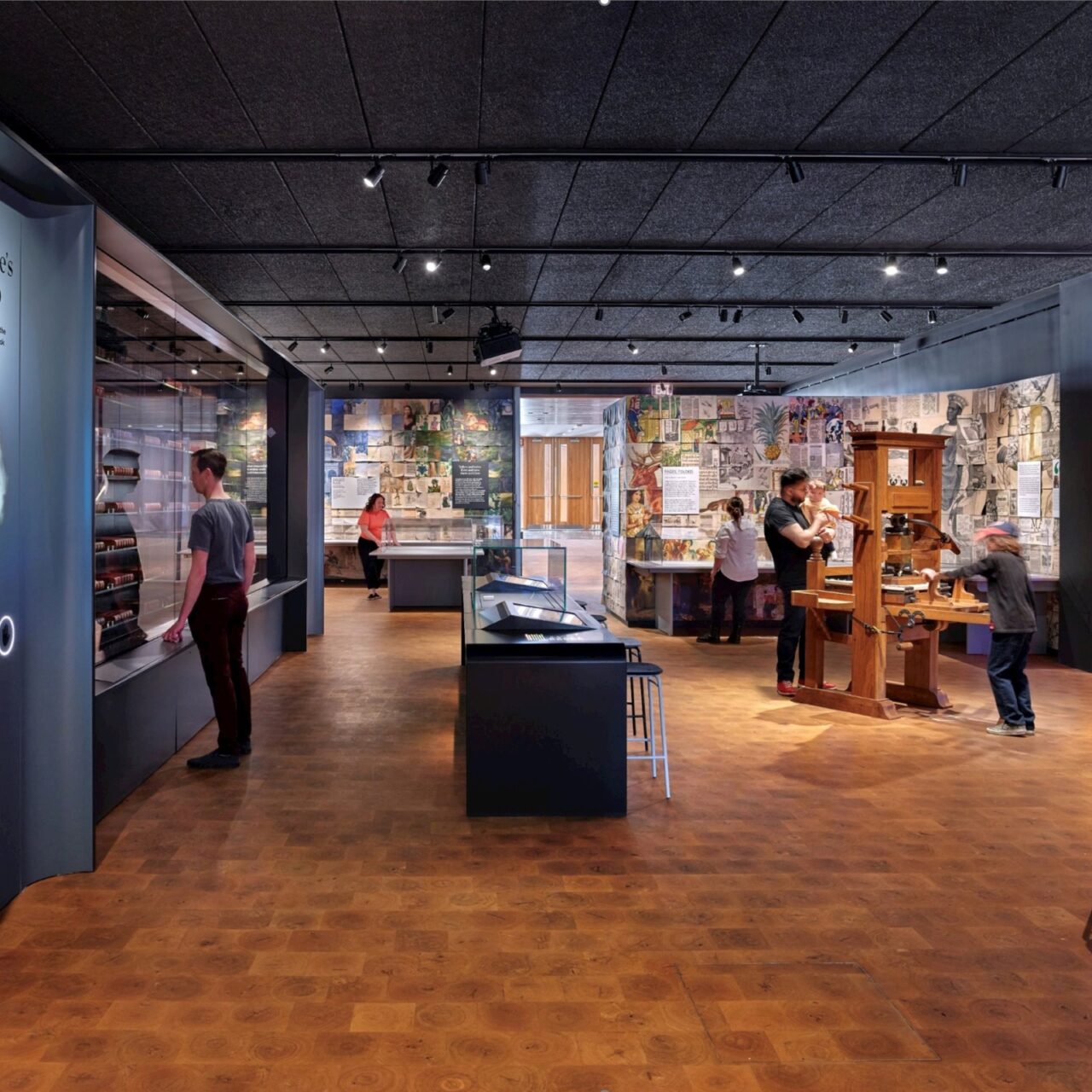
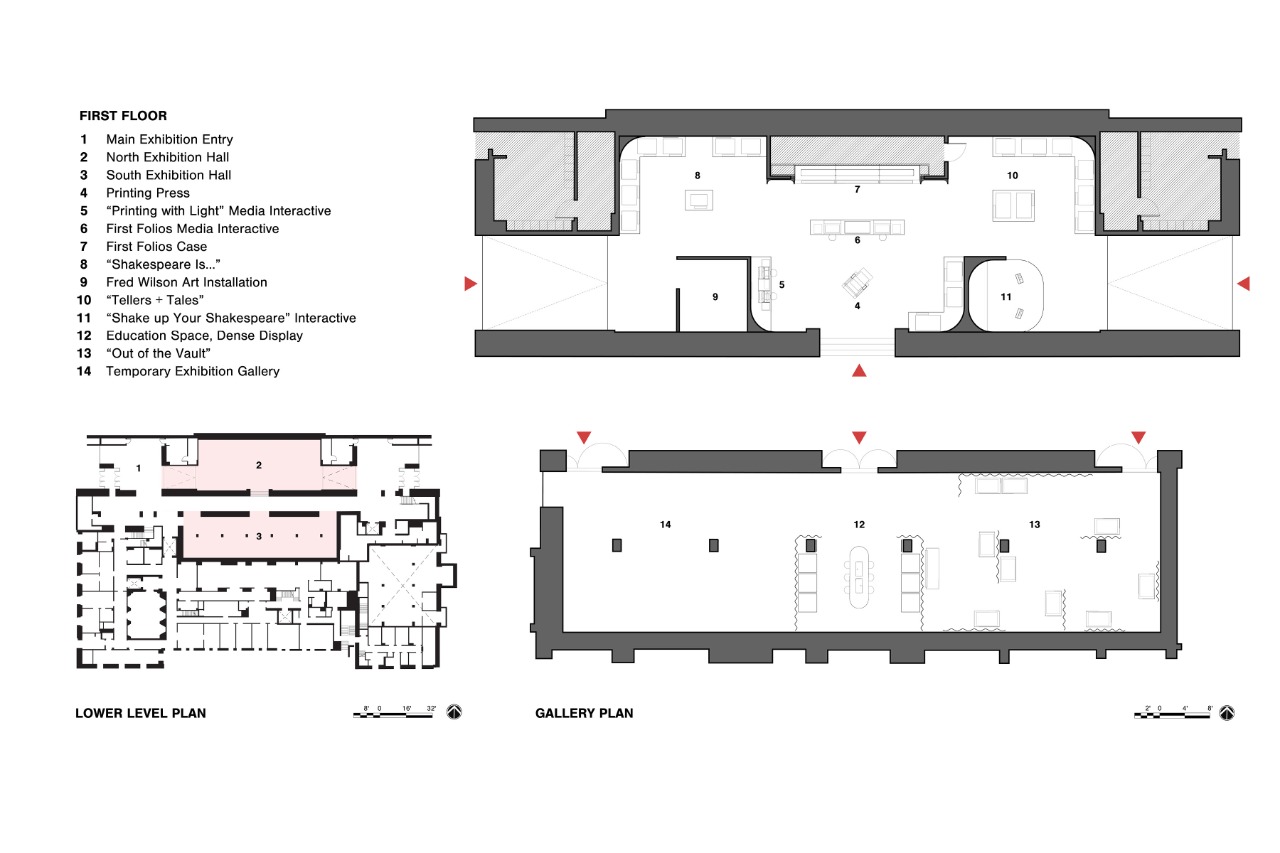
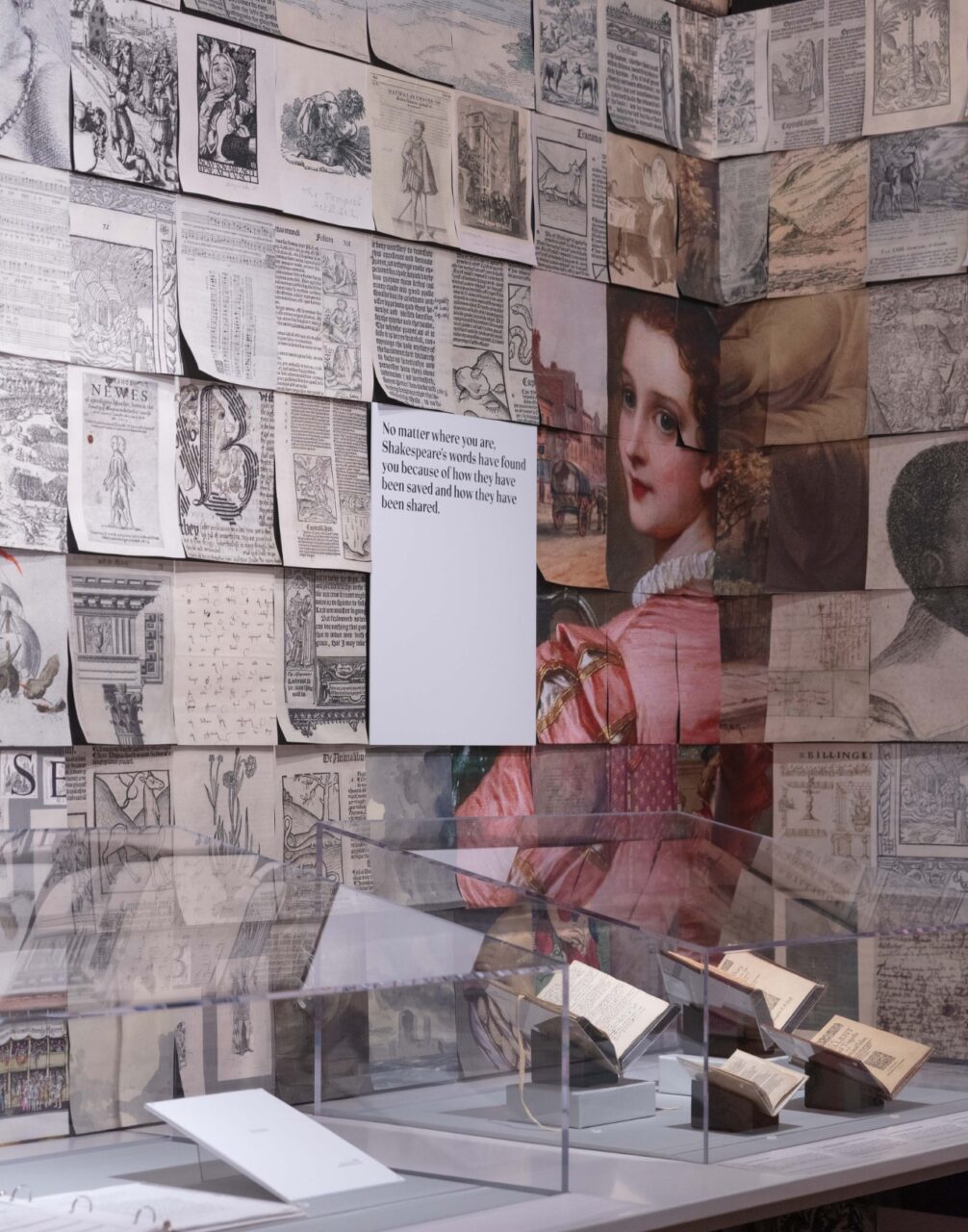
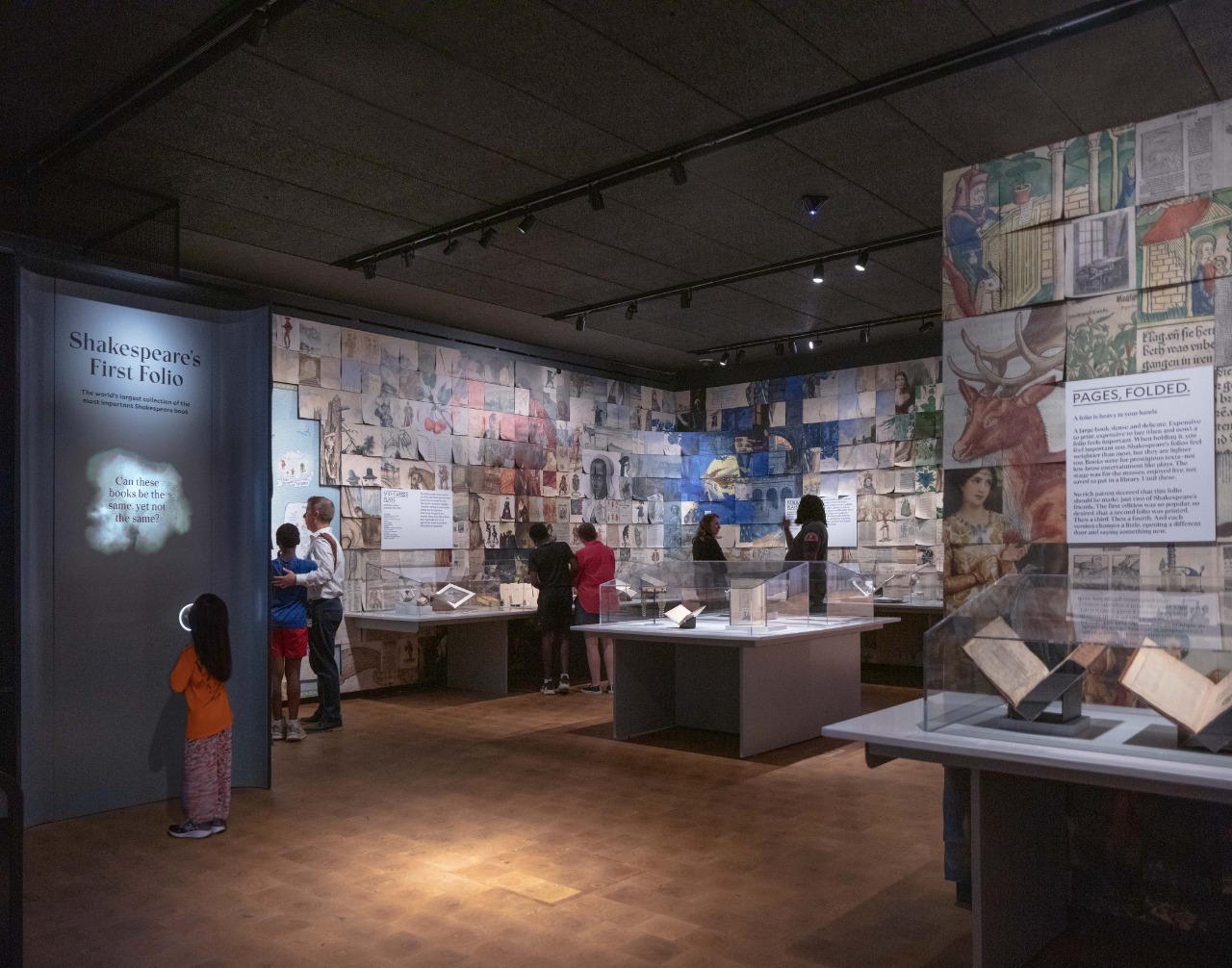
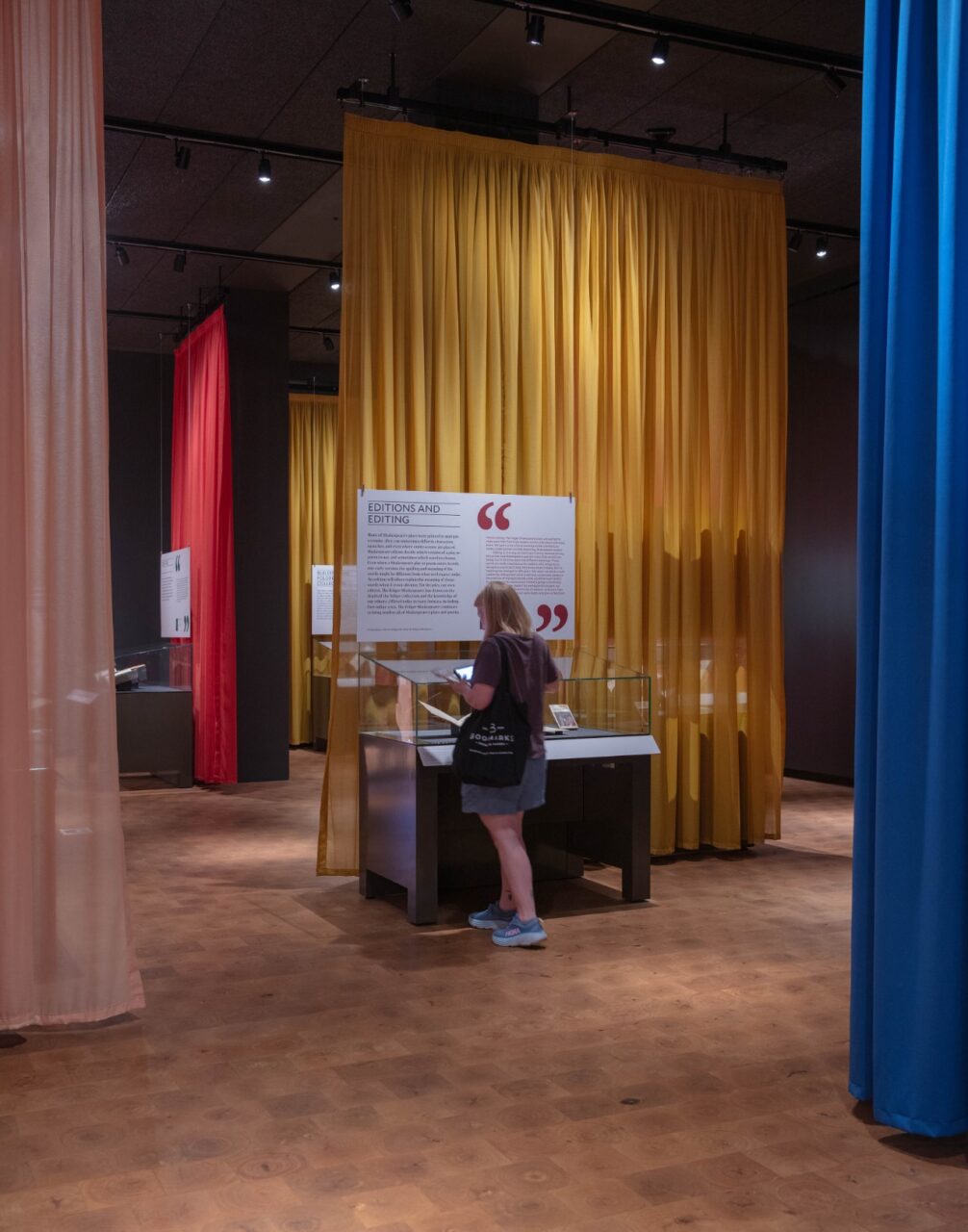
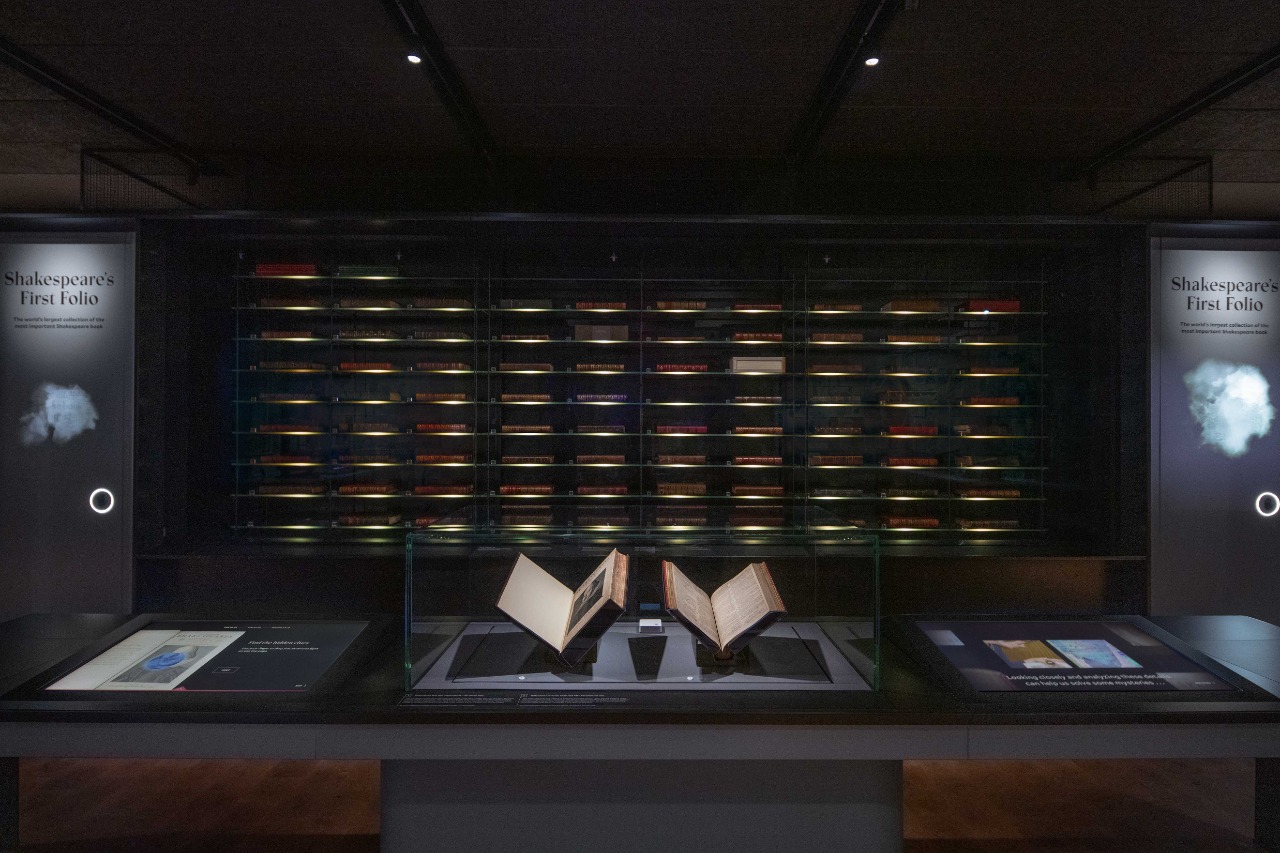
Founders Henry Clay Folger and his wife, Emily Jordan Folger, established The Folger Shakespeare Library (FSL) in 1932 as a gift to the American people. The interpretive premise is to take Shakespeare off his pedestal and bring his works to everyone in a way that meets them where they are. There is no "Shakespeare test," but rather questions, insights, and gentle provocations—adapt the sacred, embrace the profane, reframe Shakespeare worship, and relish in the playful, mundane, and irreverent. The challenge was to create an exciting visitor experience that would bring Shakespeare to all while adhering to the highest conservation requirements. This meant controlling temperature and humidity, light levels, and presentation methods. While this required creativity and technical know-how, the display of the 82 First Folios became the tour de force of the conservation effort. A high conservation case for the folios is at the physical and intellectual epicenter of the gallery. Visitors use interactive media to dive deep into the content, uncovering exciting facts that illuminate the unique qualities of each folio's 400-year history. The case is the result of a highly technical design that embraces multiple layers of conservation and security, including Very Early Smoke Detection Activation, humidity/temperature control, Oddy-tested materials, dedicated supply and return ducted air, and multiple layers of security. Ambient and programmed lighting are in sync with media-driven content. There is an interactive that lets visitors open the folios to see what makes each special and learn fun facts about their history.
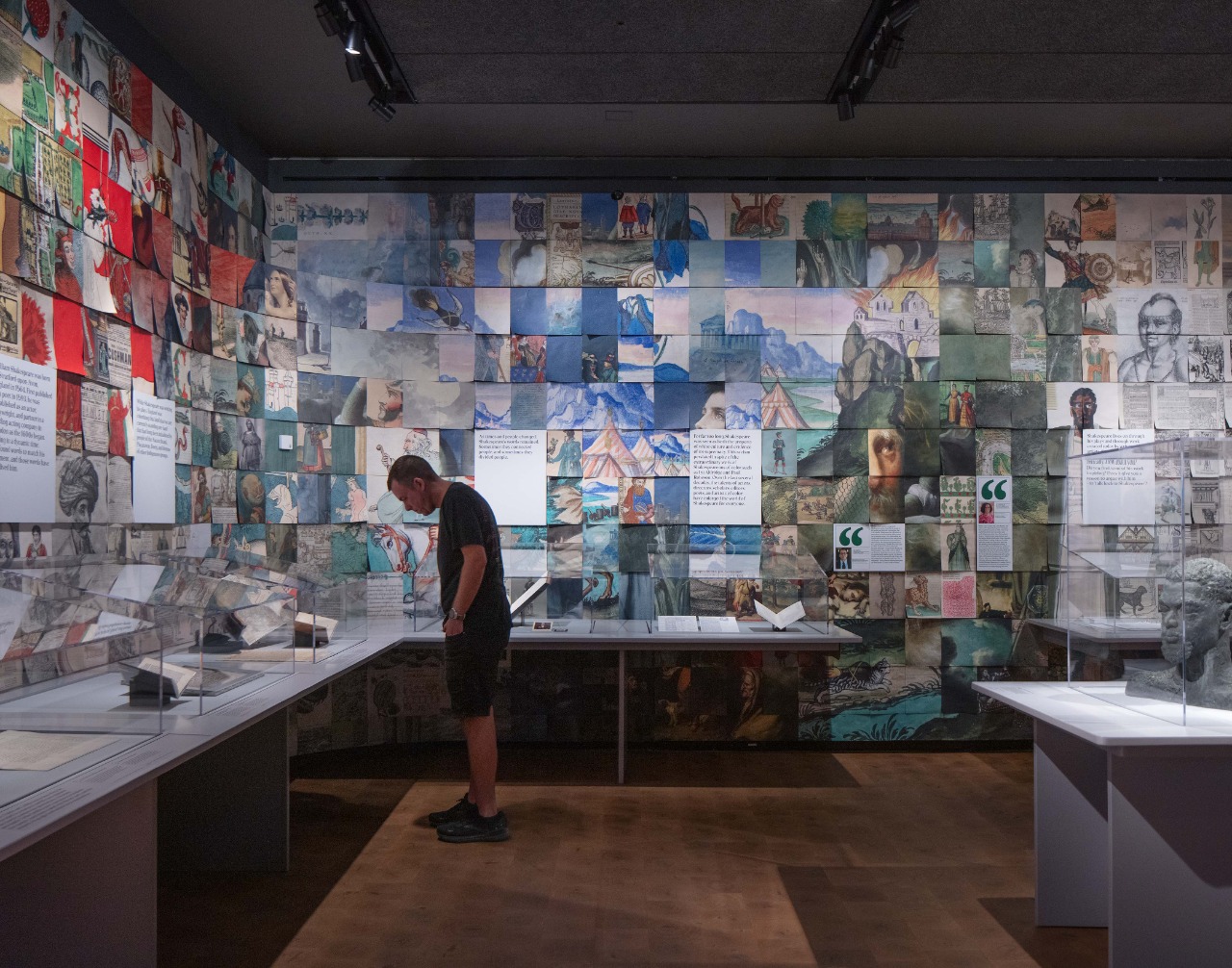
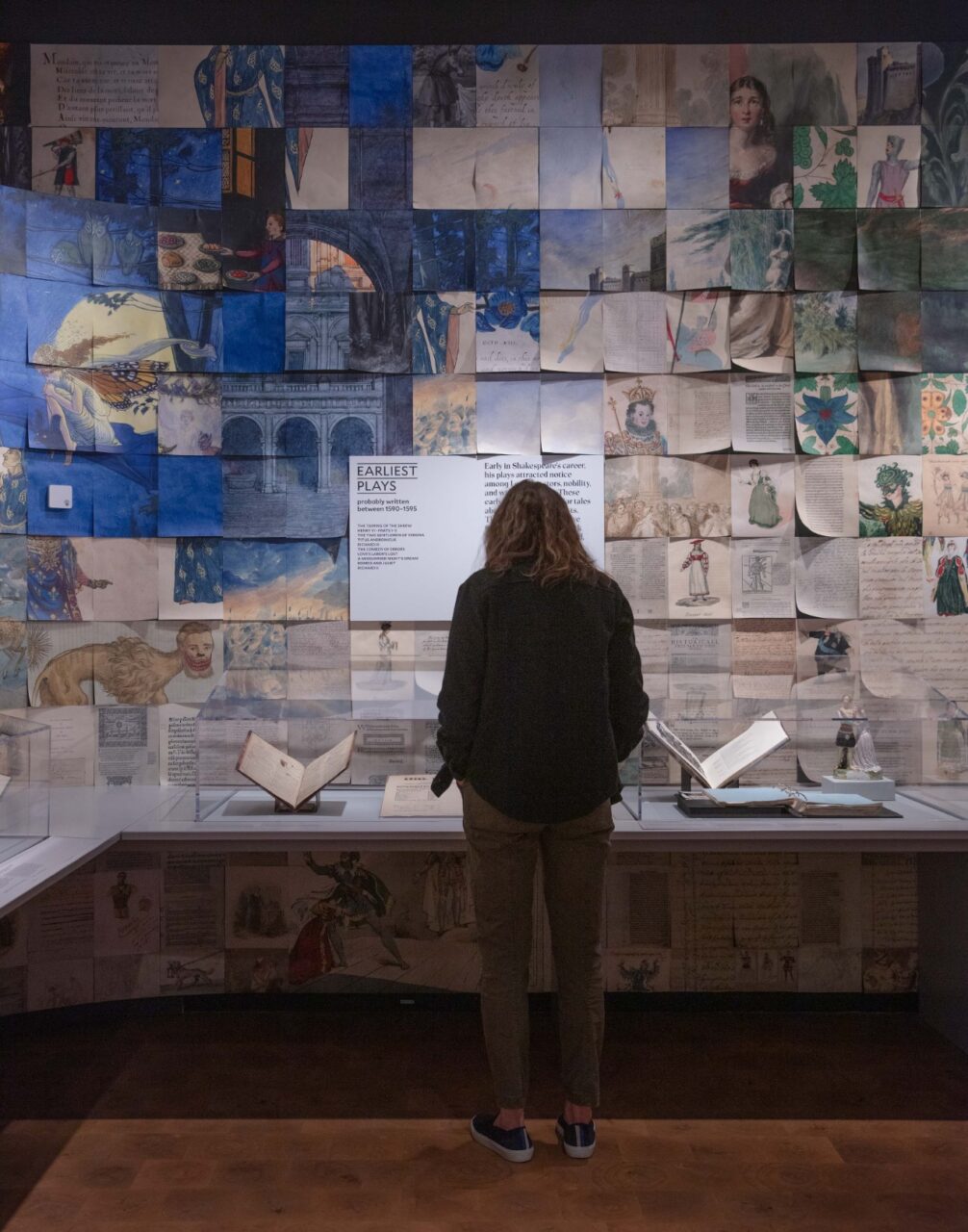
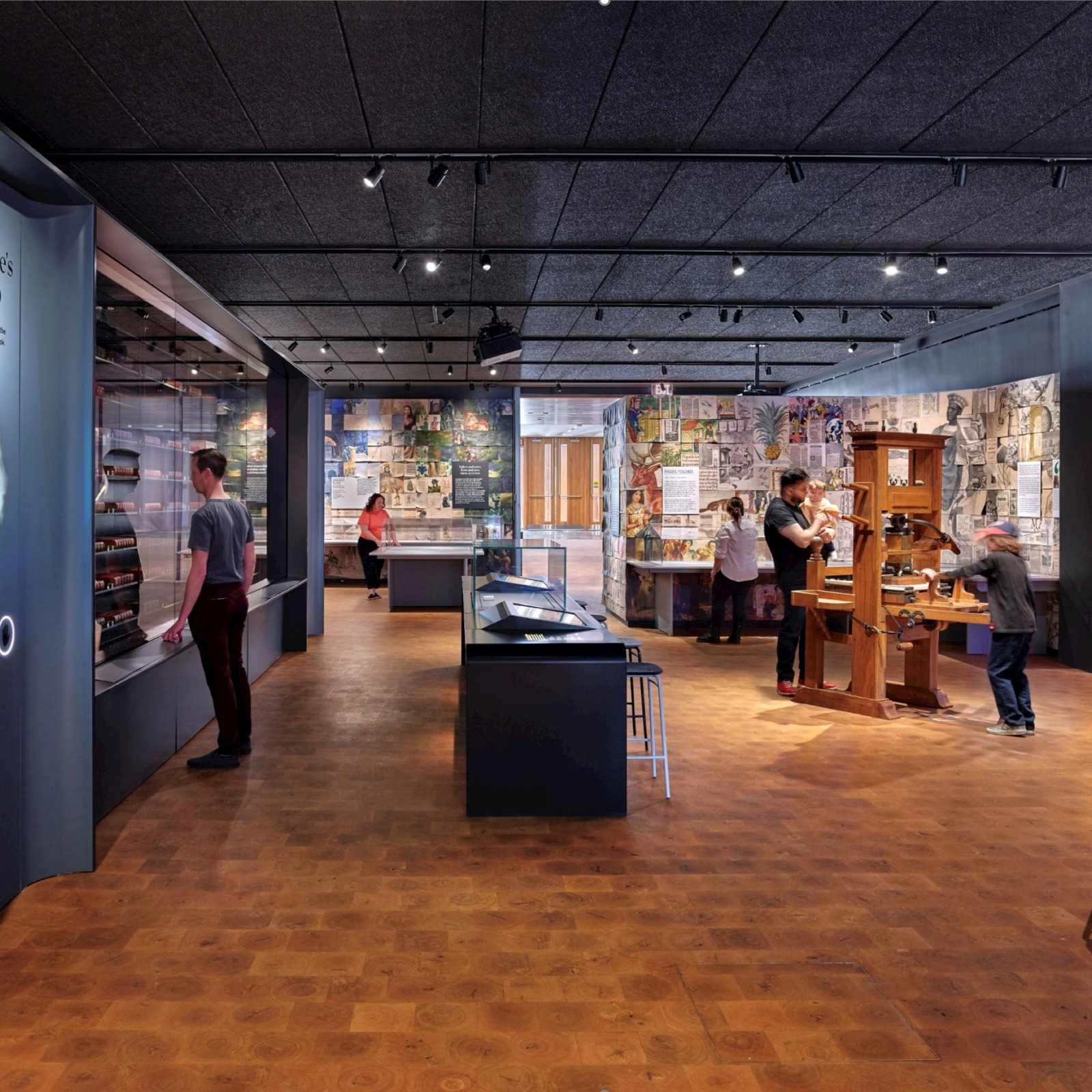
The gallery is "papered" in narrative graphics printed on 8.5" by 11" sheets. Tyvek, a product primarily used in construction, withstands contact, ripping, crushing, and other forms of abuse. Each leaf is attached at the top, allowing a shingled effect. This audaciously textured environment holds stories told over place and time while simultaneously backgrounding the collections. The displays draw visitors into the fascinating but often obscure realm of historical documents.
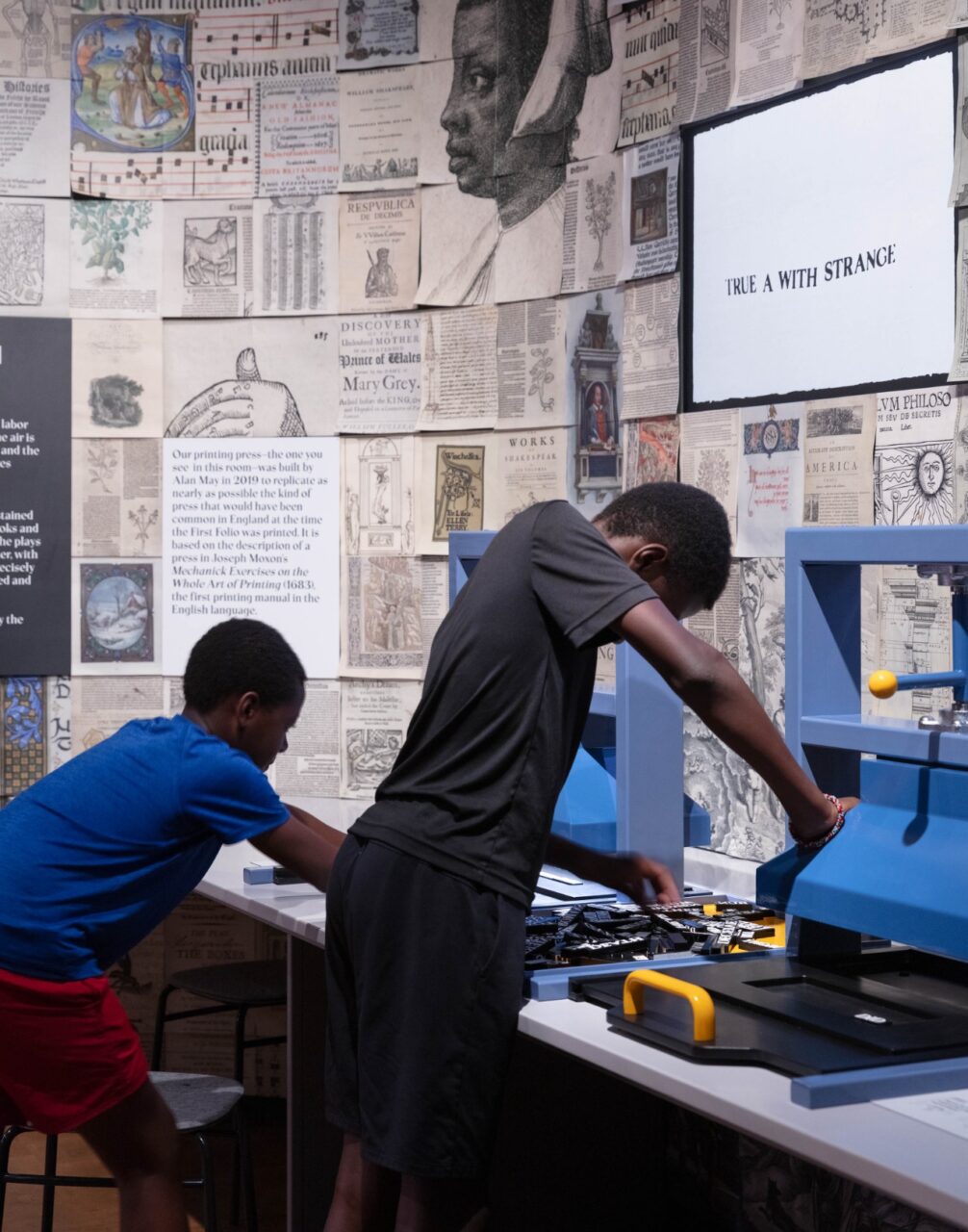
"Printing with Light" brings the Shakespearean narrative to life, allowing visitors to assemble phrases from facsimile blocks. Their work is then projected on an adjacent screen. As a fun and ageless experience, it clarifies a printing process that requires the intricate assembly of words written upside down and backward.
Results
Audiences who did not see themselves represented in either content or staffing now find a new immersive environment that is playful and easily navigated. According to visitor monitoring, we know that now, visitors come from more racially and economically diverse areas of DC. New gallery-based events and presentations attract families, and ongoing programming has resulted in attendance far exceeding expectations.
Studio Joseph

Studio Joseph is an architecture and experience design practice working in the educational, cultural, and public realms. We create beautiful spaces that nurture the lives of people who use them, fostering learning, thinking, and community gathering.
Our process is to understand a project’s driving spirit and embody it in the spatial realm. We begin with research to look beyond the obvious and identify core narratives and strategies. From there, we develop a conceptual underpinning that balances the pragmatic with the poetic. We maintain conceptual rigor while obsessing over the details. With a commitment to empathy-based design, we draw on the diverse needs and affordances of a public audience—from physical accessibility to cultural understandings to sensory abilities. In our work and our workplace, we are committed to championing sustainable practices, equitable communities, and inclusive environments. Although projects differ in scale and typology, they embrace our shared humanity.