 International Architecture & Design Awards 2026
Heritage, Elevated
Sanpen Architects and Partners, Pingtung County Government
Airport, Train Station & Terminal Design
Heritage, Elevated — IADA 2026 award
Heritage, Elevated received Bronze Winner recognition at the International Architecture & Design Awards 2026 in Airport, Train Station & Terminal Design. Project status, design team and credits are listed alongside the presentation.
About the project
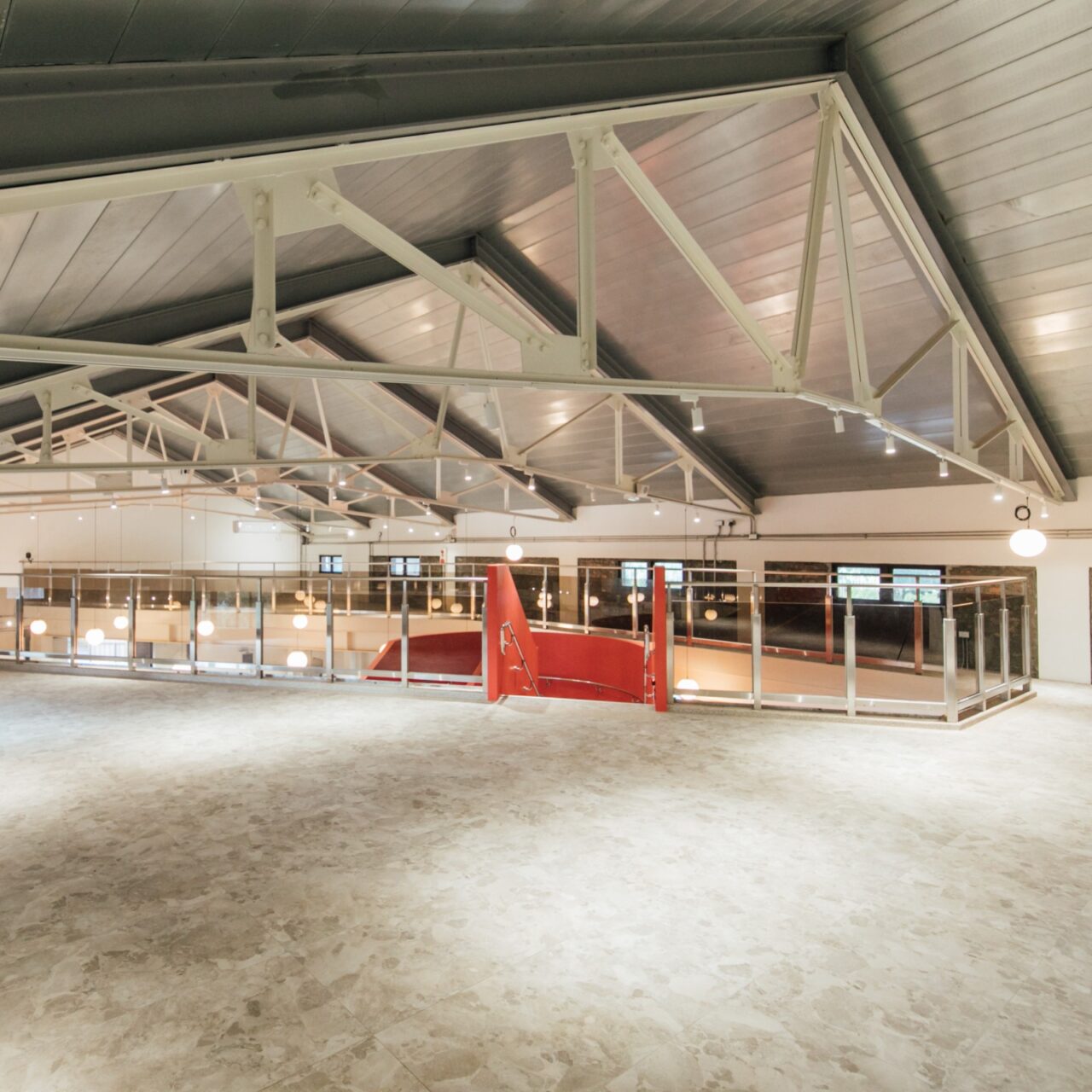
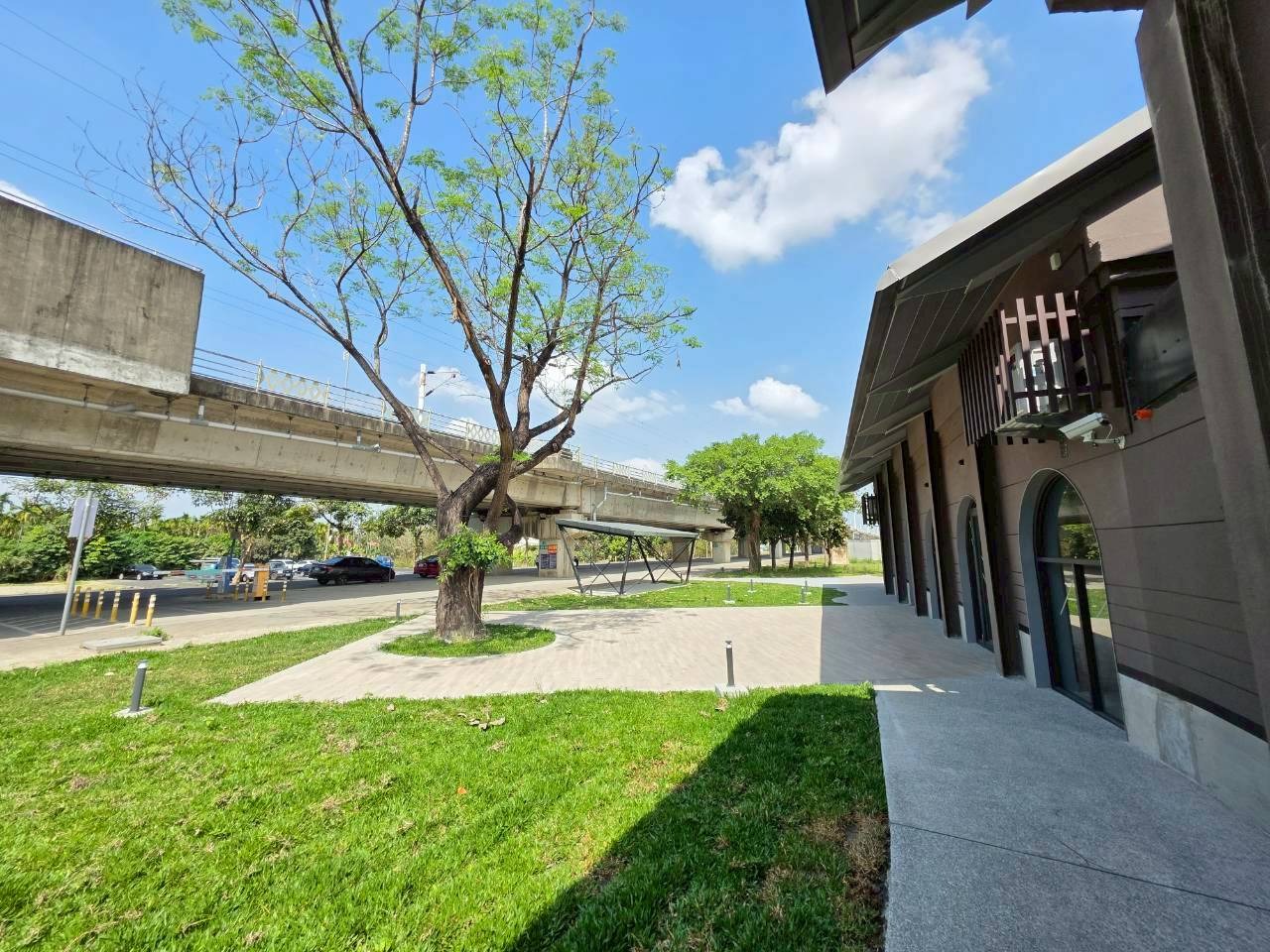
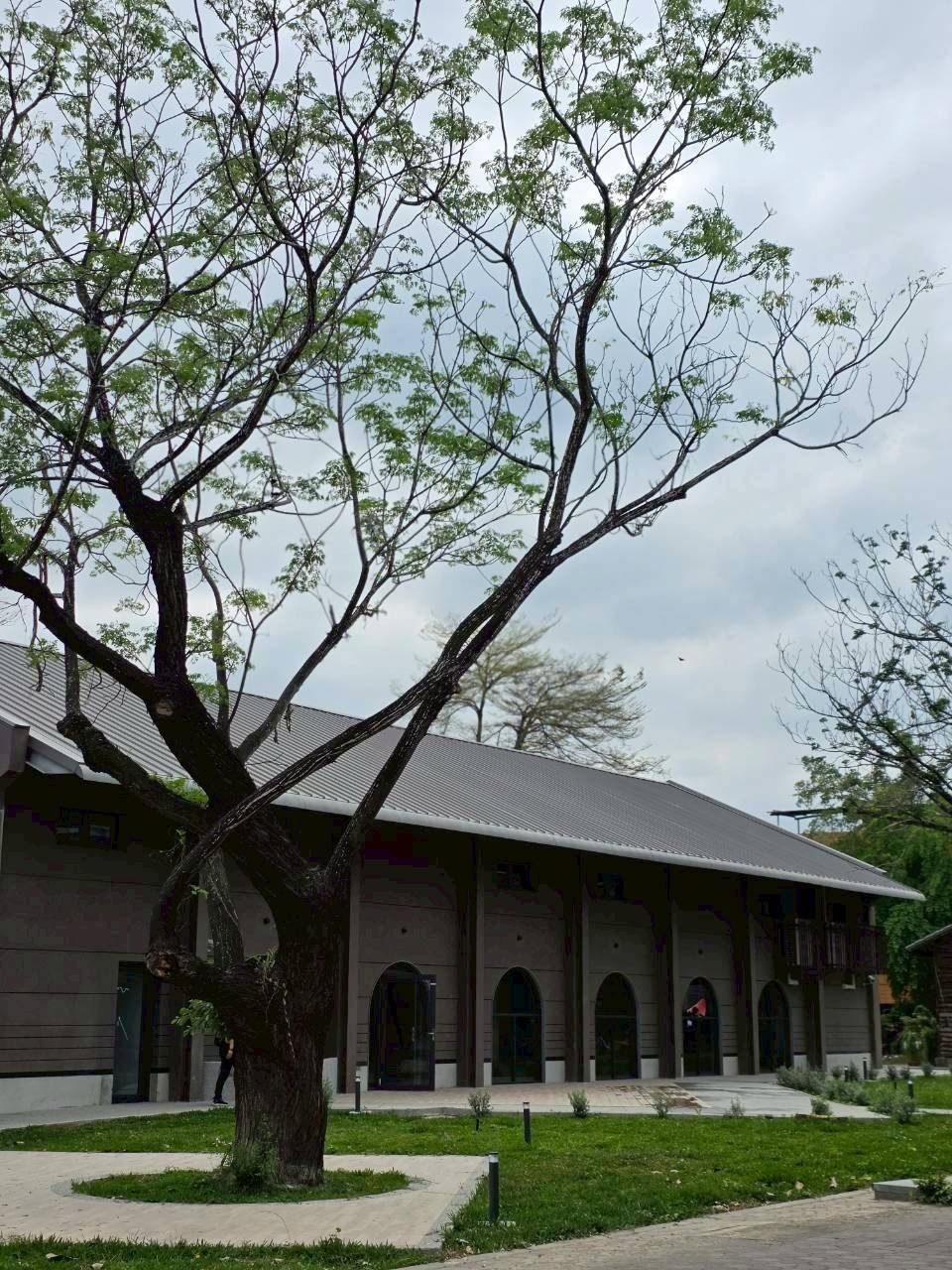
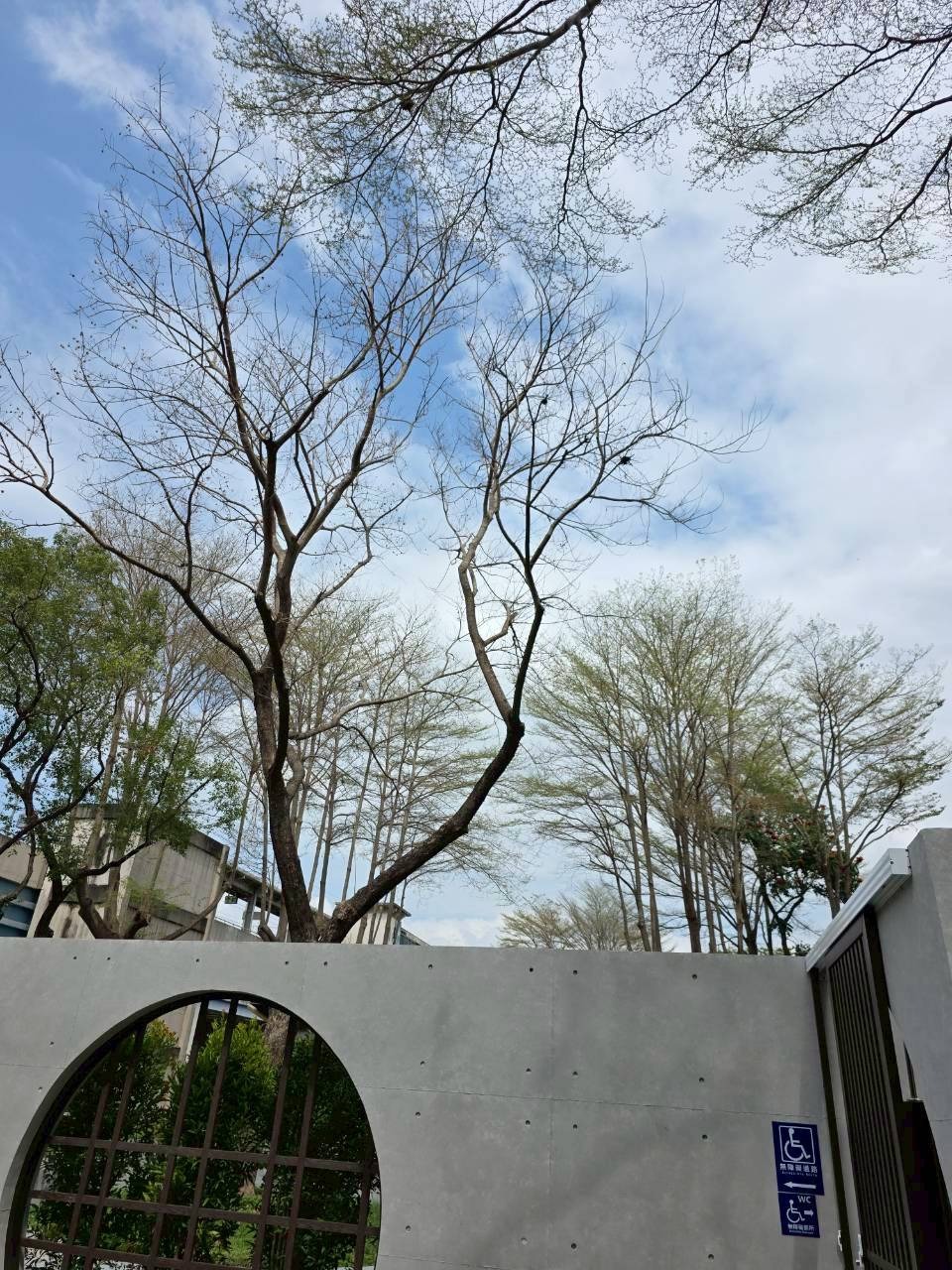
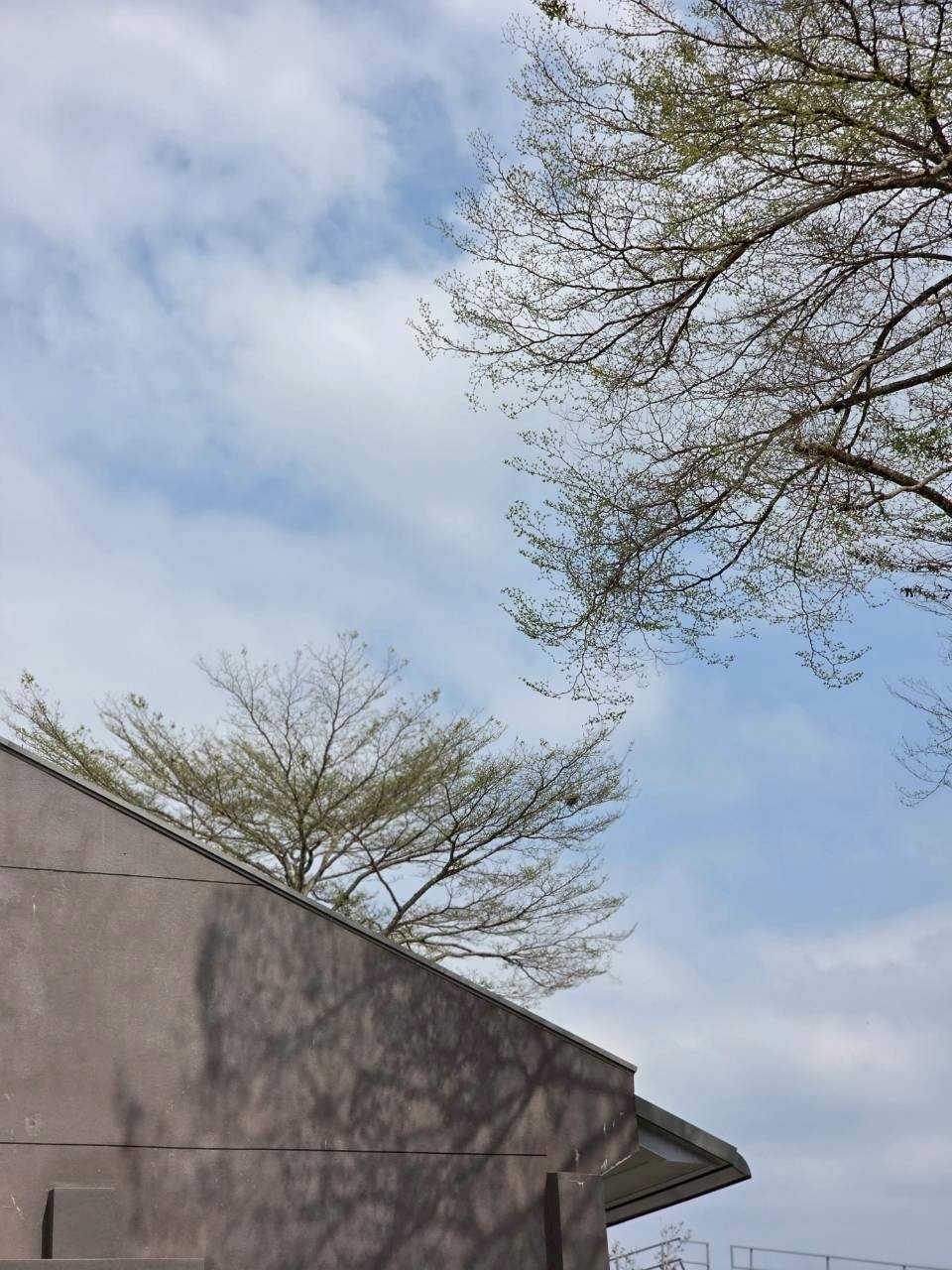
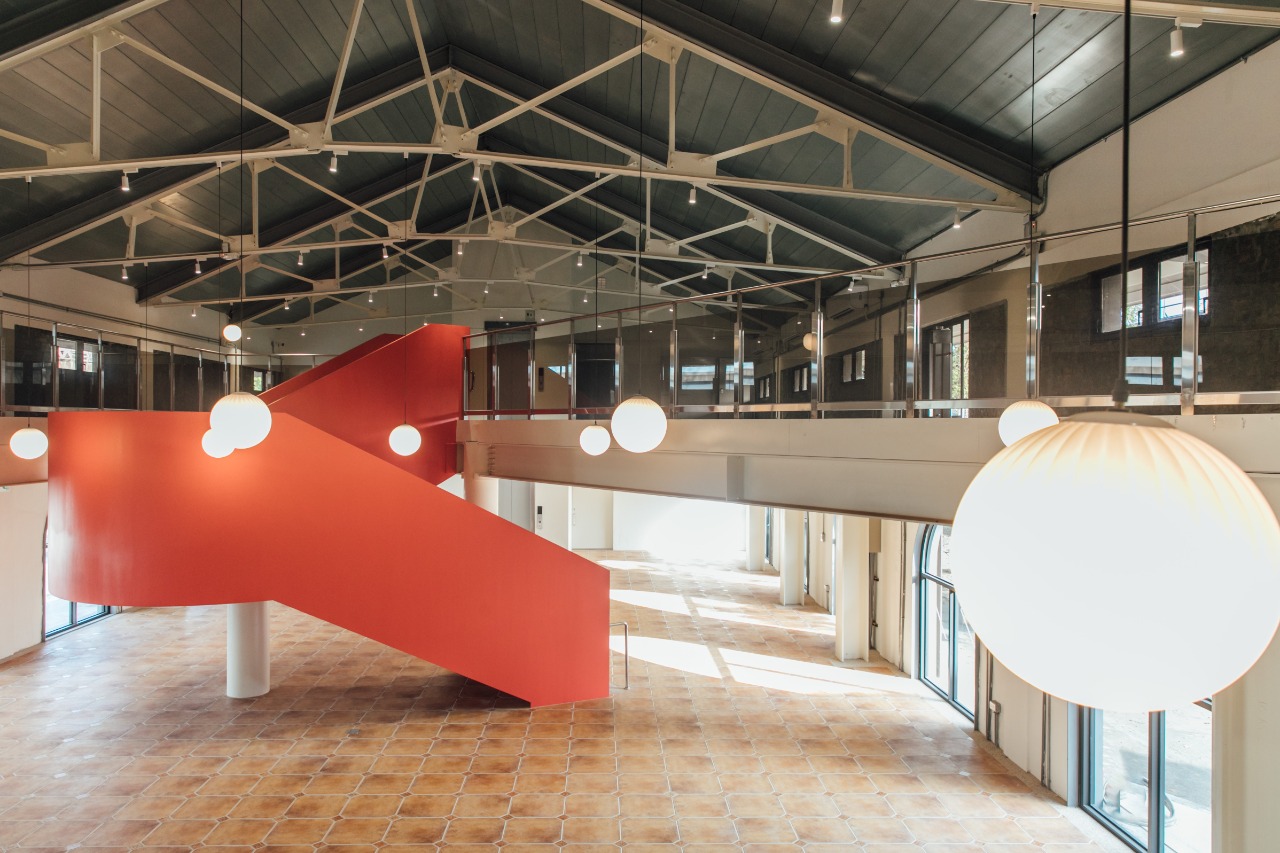
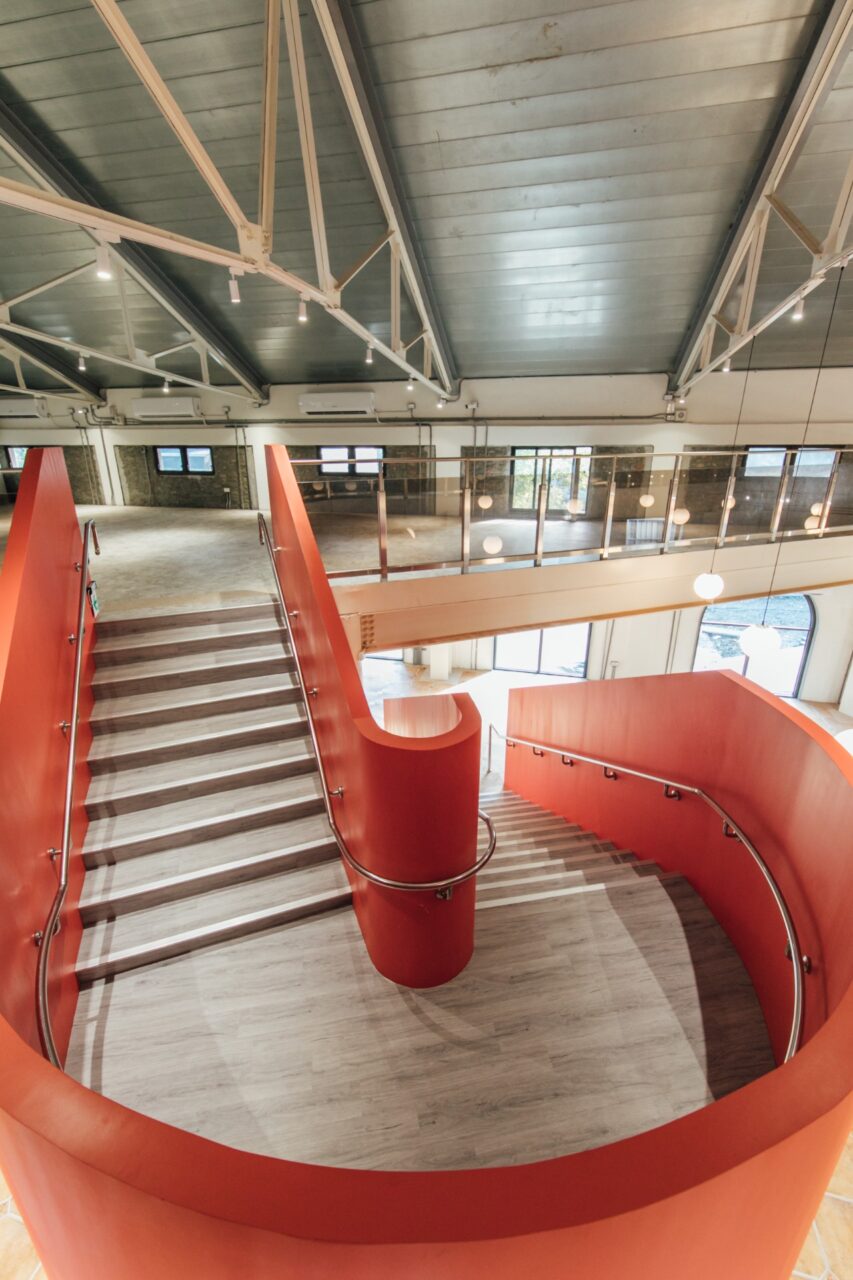
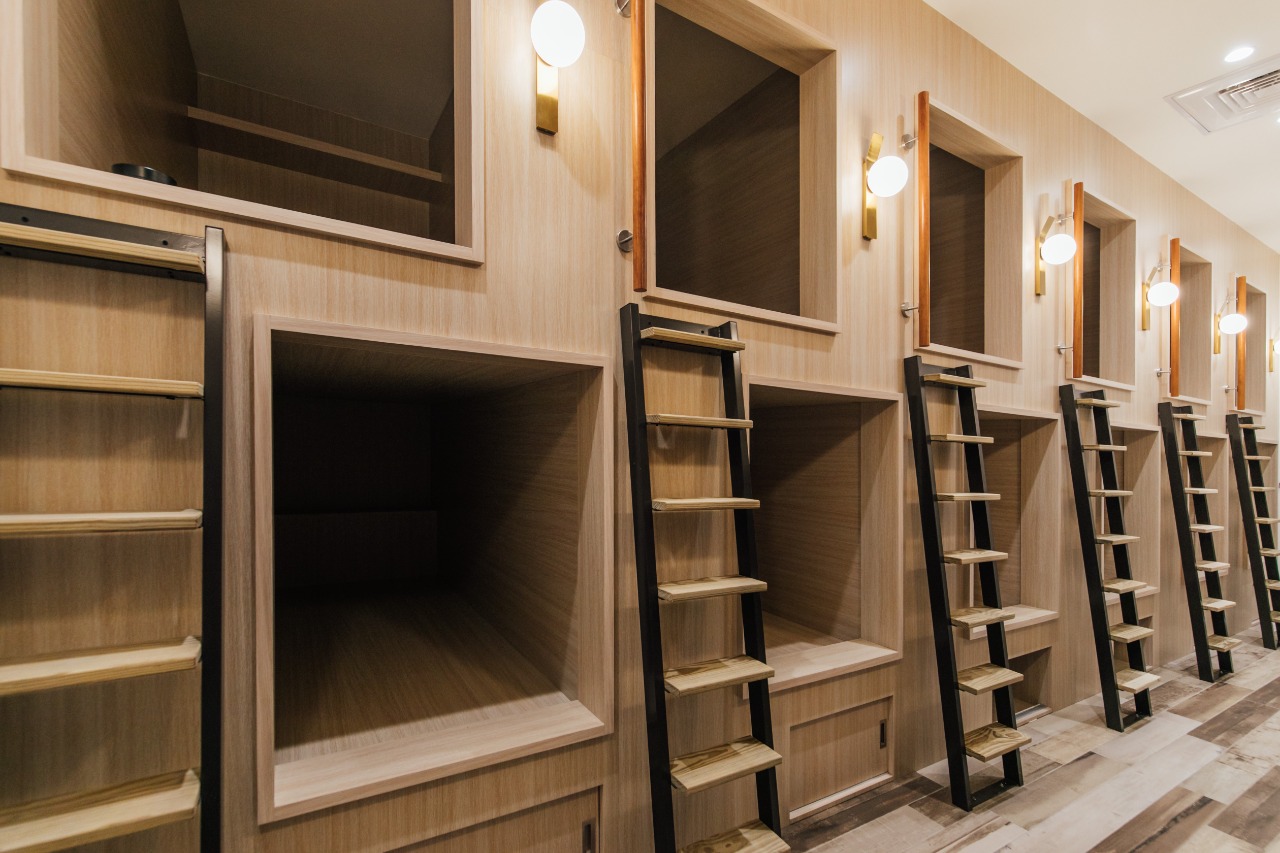
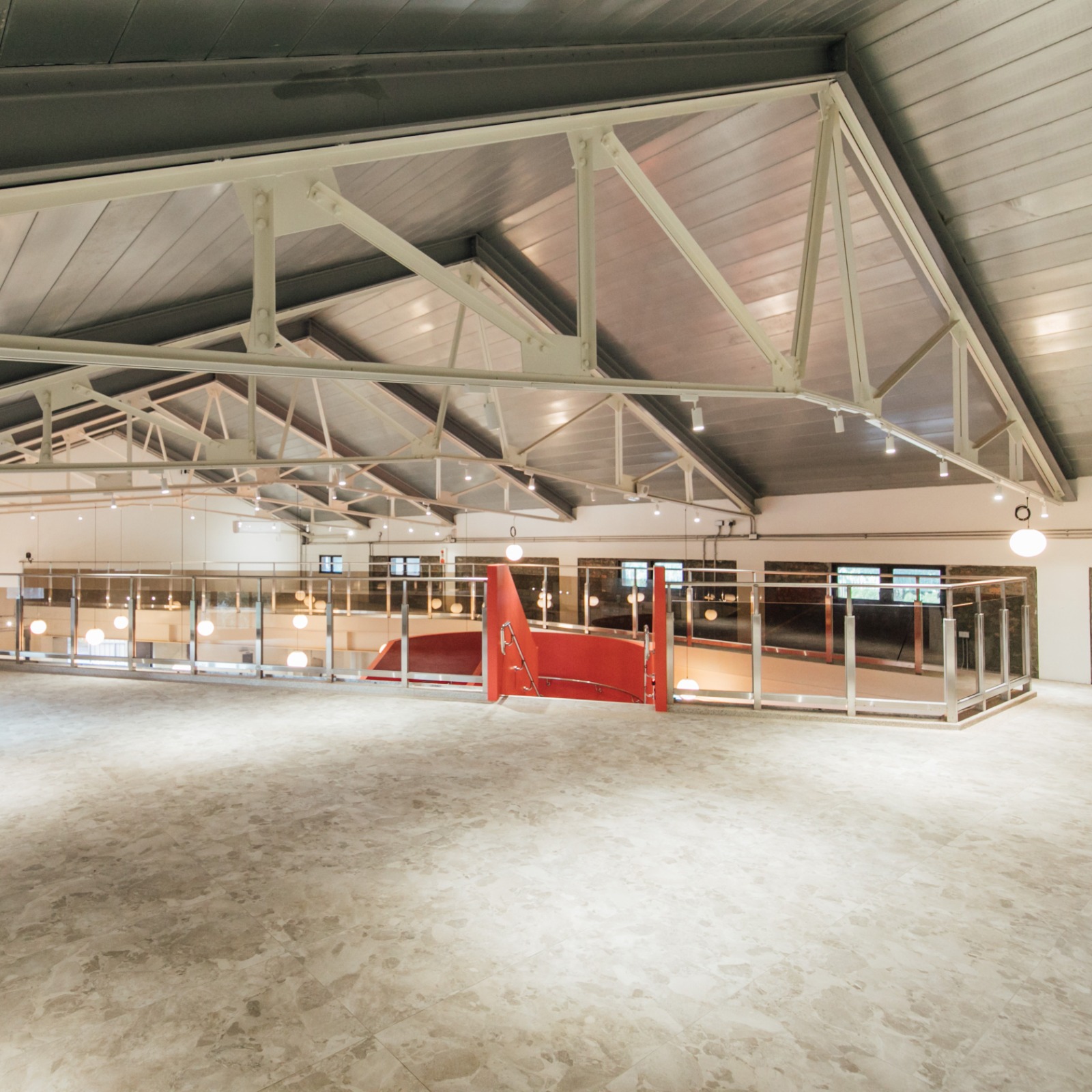
The station renovation project embraces a "lightweight, minimalist" approach, thoughtfully grounded in the design philosophy of "heritage and integration." By stripping away unnecessary ornamentation, this innovative design fosters a meaningful dialogue between the new steel-framed mezzanine and the historic warehouse, which has stood for nearly a century. At the heart of this design lies a deep appreciation for Taiwan's Hakka culture. The concept of the "Hakka Living Room" emerges, transforming elements of openness, warmth, and interactivity into vibrant public spaces. Notably, the central crimson spiral staircase captures attention and imagination; it is inspired by the traditional red paper decorations that adorn Hakka festivals. Its gracefully organic curves not only disrupt the linear flow but also serve as a striking focal point within the space. Moreover, the landscape design pays homage to history by preserving trees from the Japanese colonial era, as well as the original structures of the station's warehouse. As a result, the overall design seamlessly blurs the boundaries between interior and exterior. Through arched floor-to-ceiling windows, natural light floods the interior while echoing the outdoor paving axis, which enriches the connection to the site's historical context. In this way, the project not only revitalizes the station but also honors and integrates its rich heritage into a contemporary setting. The public space offers a captivating and inclusive experience, seamlessly integrated into its historic surroundings. It preserves the striking integrity of the original steel truss structure and the rugged beauty of the red brick walls, while the floor is adorned with warm, orange-brown vintage ceramic tiles, adding a touch of nostalgia. As visitors ascend to the second floor, they will be greeted by a circular walkway featuring elegant transparent tempered glass railings. This walkway not only connects to the lower level through a stunning red spiral staircase but also creates a mesmerizing floating visual effect that enhances the space's interactive allure. The interplay of exposed trusses and pendant lights overhead further enriches this dynamic environment. Moreover, the elongated corridor masterfully blends vintage spherical wall lamps with a sleek black mirrored ceiling, offering a compelling visual fusion of classic and contemporary design elements. In the lodging area, the capsule hotel design emerges as a sanctuary of privacy and comfort. With light wood grain finishes and a modular layout, it caters to modern needs while maintaining an inviting atmosphere. The inclusion of spherical lighting and strategically placed grab bar installations adds sophistication, ensuring a refined ambiance throughout the space. This project focuses on the comprehensive renovation of an aging building from the Japanese colonial period, aiming to extend its structural lifespan while embodying the principles of sustainable architecture.
Sanpen Architects and Partners, Pingtung County Government
Sanpen Architects and Partners is an established architectural practice located in Pingtung, Taiwan, with a profound legacy that spans two generations. Following over 50 years of commitment to the advancement of regional architectural development by architects Lee Cheng-Yi and Chang Wen-Min, the firm was formally renamed Sanpen Architects and Partners in 2016. Presently, the practice specializes in architecture, interior design, and related spatial design services.
Founded in Pingtung, Taiwan, Sanpen Architects and Partners embodies the humanistic principles of local architecture while actively contributing to the enhancement of both urban and rural landscapes in the region. Our design methodology draws inspiration from the distinctive geography and cultural identity of southern Taiwan. With a focus on human-centered design and a deep respect for the environment, we integrate architectural expressions that are specifically suited to the subtropical climate into our design proposals.