 International Architecture & Design Awards 2026
Parks Canada Collections and Curatorial Centre
Moriyama Teshima Architects & NFOE Inc.
Lighting, Facade & Building Envelope Design
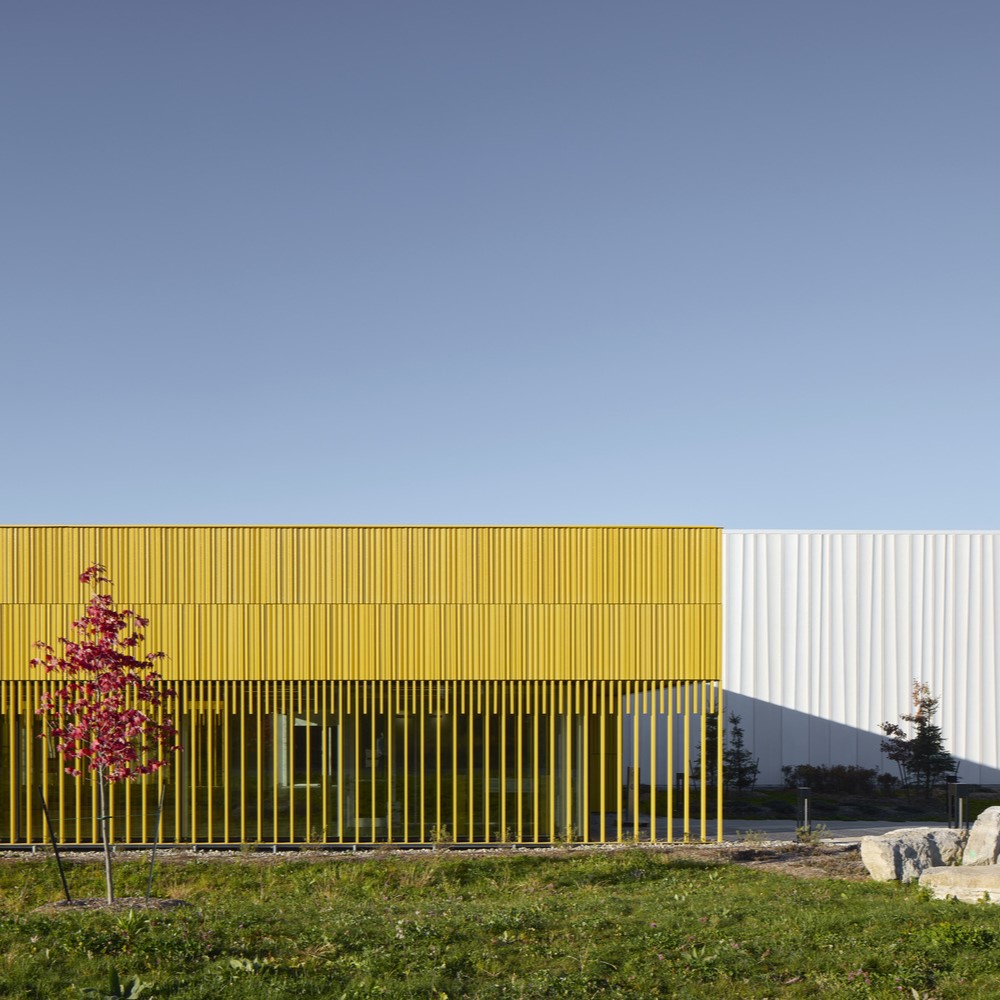
Parks Canada Collections and Curatorial Centre — IADA 2026 award
Parks Canada Collections and Curatorial Centre received Platinum Winner recognition at the International Architecture & Design Awards 2026 in Lighting, Facade & Building Envelope Design. Project status, design team and credits are listed alongside the presentation.
About the project
The Parks Canada Collections and Curatorial Centre is a state-of-the-art collections facility housing more than 23 million artifacts from a pan-Canadian network of National Historic Sites and archaeological programs operated by Parks Canada. Located in Gatineau, Québec, the centre stands on the unceded territory of the Algonquin Anishinaabe people.
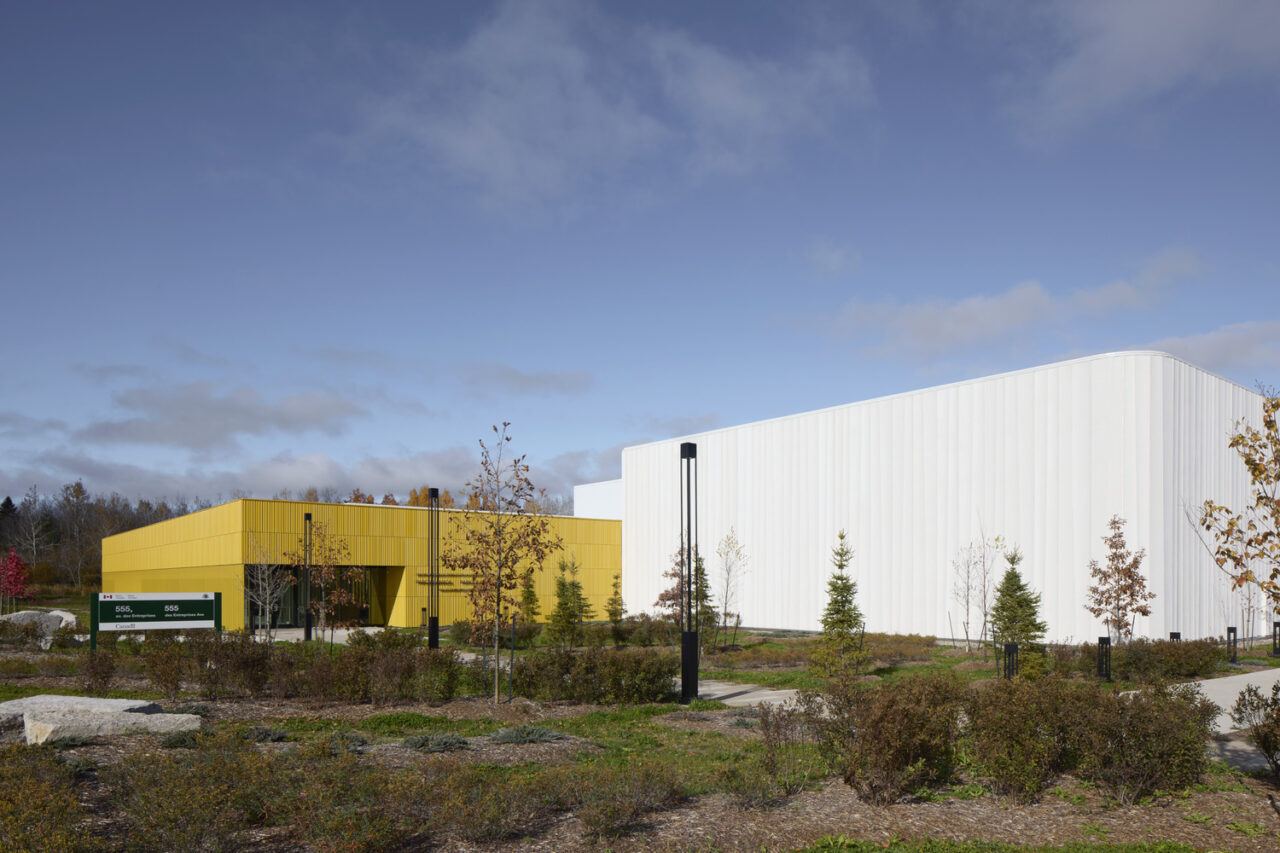
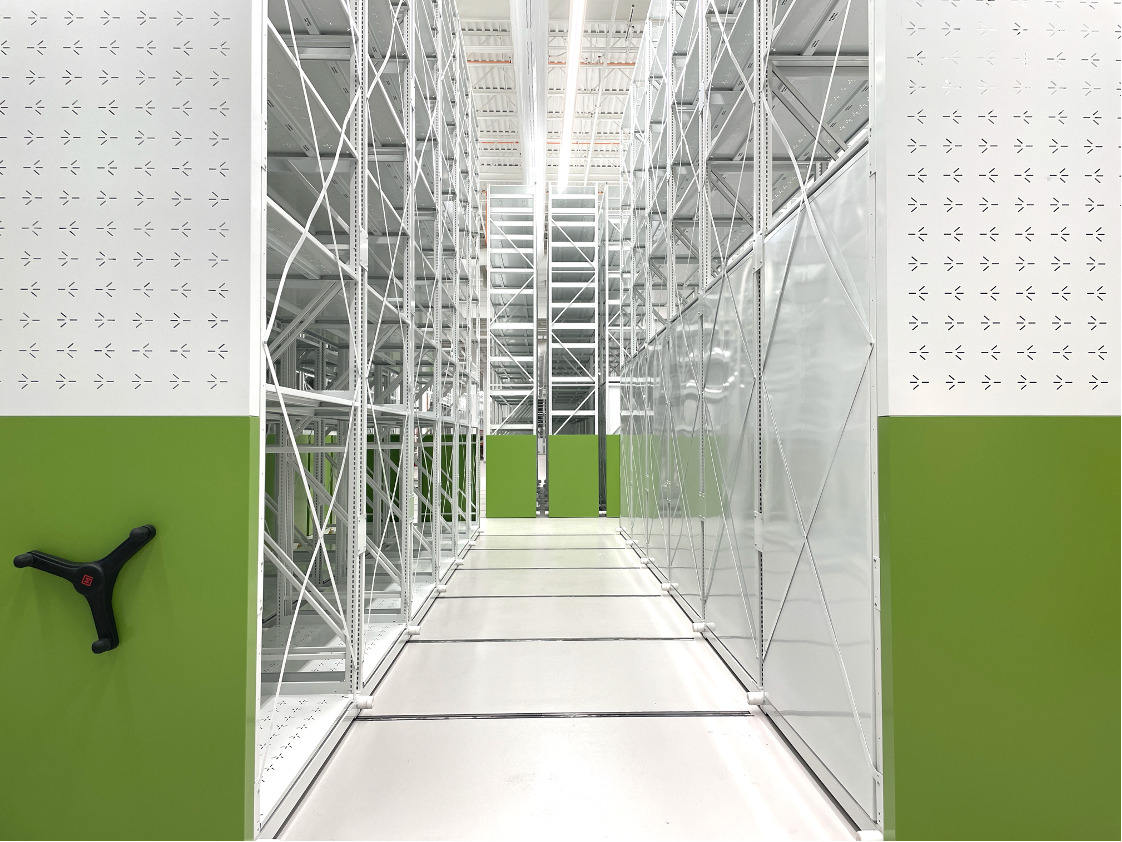
The building is organized into two distinct sectors, each serving a different occupant. The collections storage sector is dedicated to the preservation of artifacts, providing a tightly controlled and highly stable archival environment isolated from external influences, including daylight. The facility incorporates specialized conservation and collection-management infrastructure, including Class A climate control, an ultra-high-density mobile storage system customized to accommodate a wide range of artifact types, and associated support spaces designed for contemporary collections stewardship.
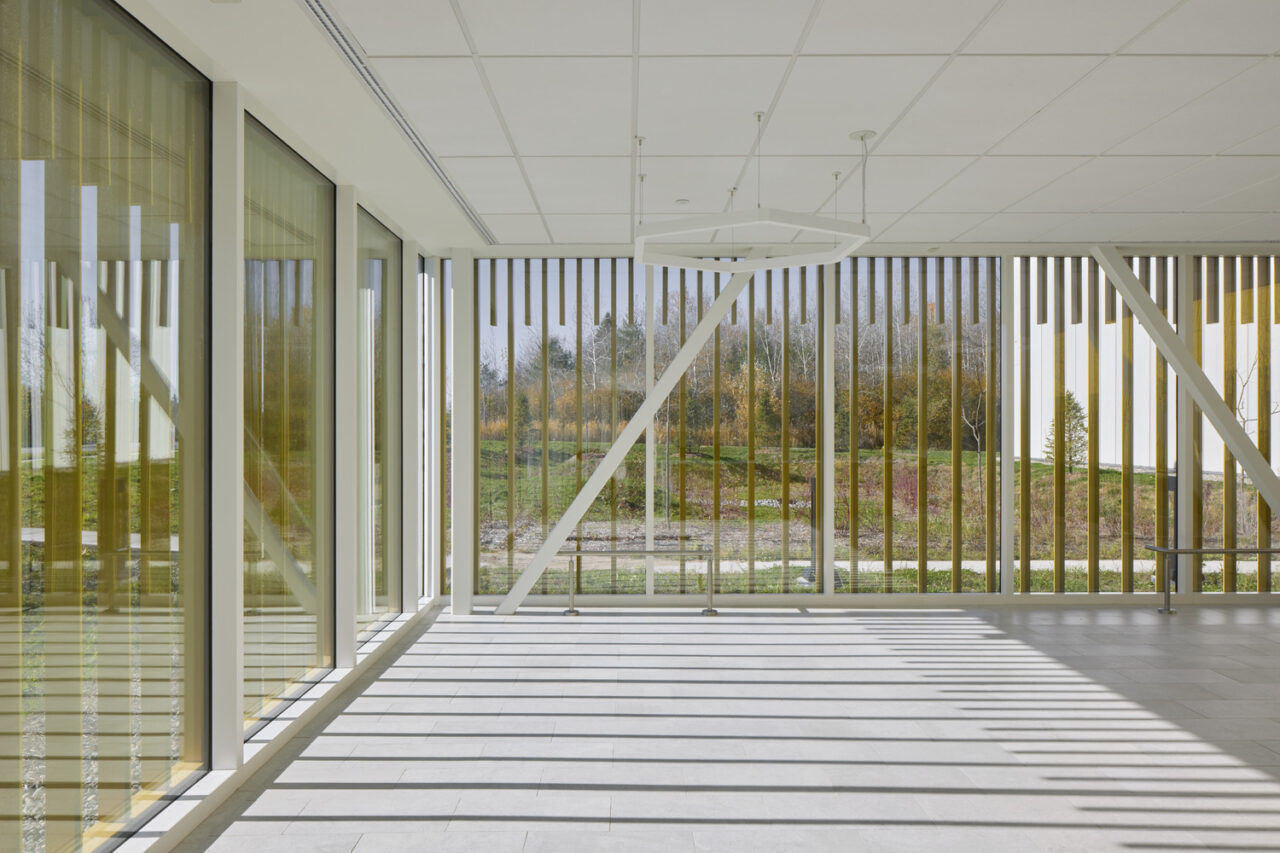
In contrast, the office sector—occupied by collections and curatorial staff as well as visiting researchers—acts as a counterpoint to the highly controlled storage environment. Workspaces are arranged around a central outdoor courtyard that brings daylight and views deep into the interior, fostering a strong connection between occupants and the surrounding natural environment.
To meet the rigorous environmental stability requirements of Class A archival standards, the building employs a double-envelope wall assembly incorporating a dynamic buffer zone that moderates fluctuations in outdoor temperature and humidity. This advanced envelope system relies on passive redundancy to reduce the scale and complexity of the mechanical systems while providing complete compartmentalization of the interior environment with minimal energy consumption.
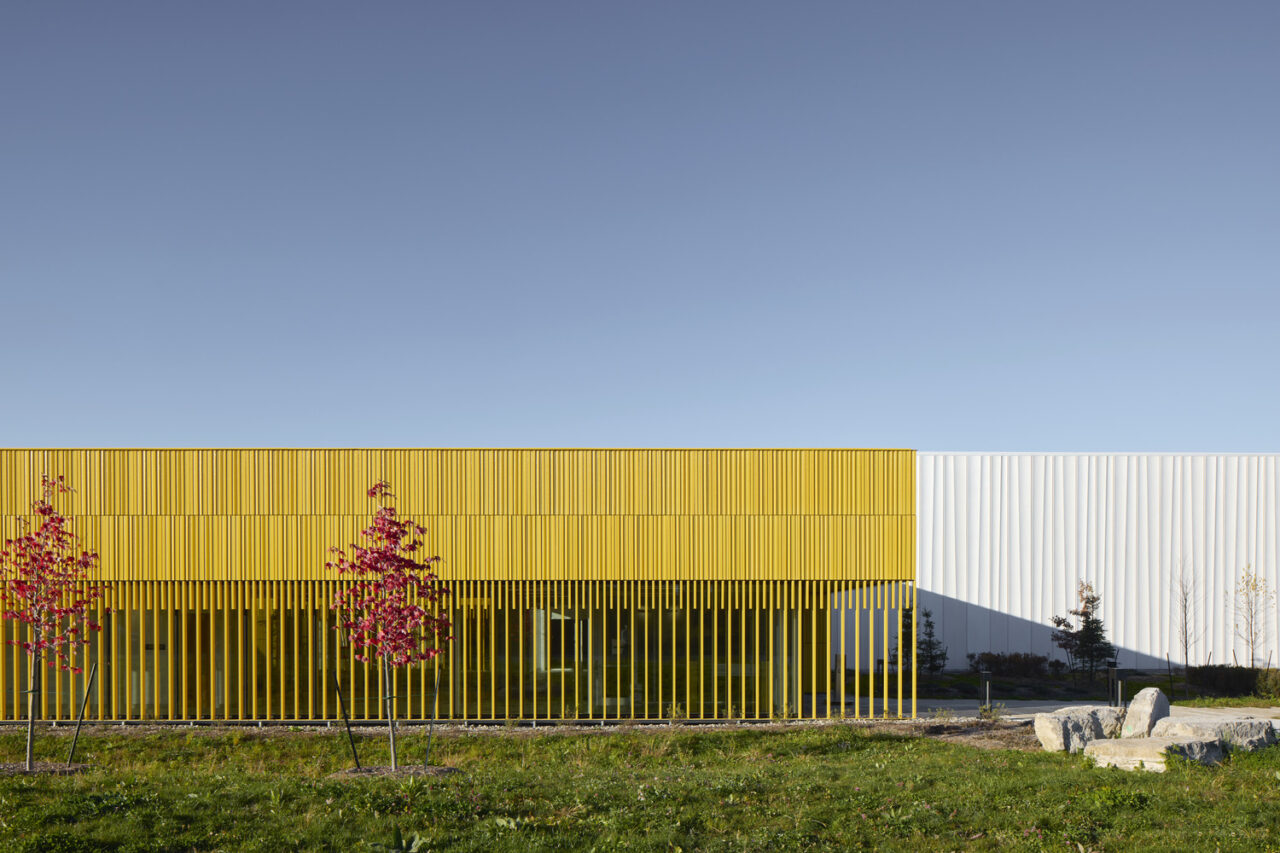
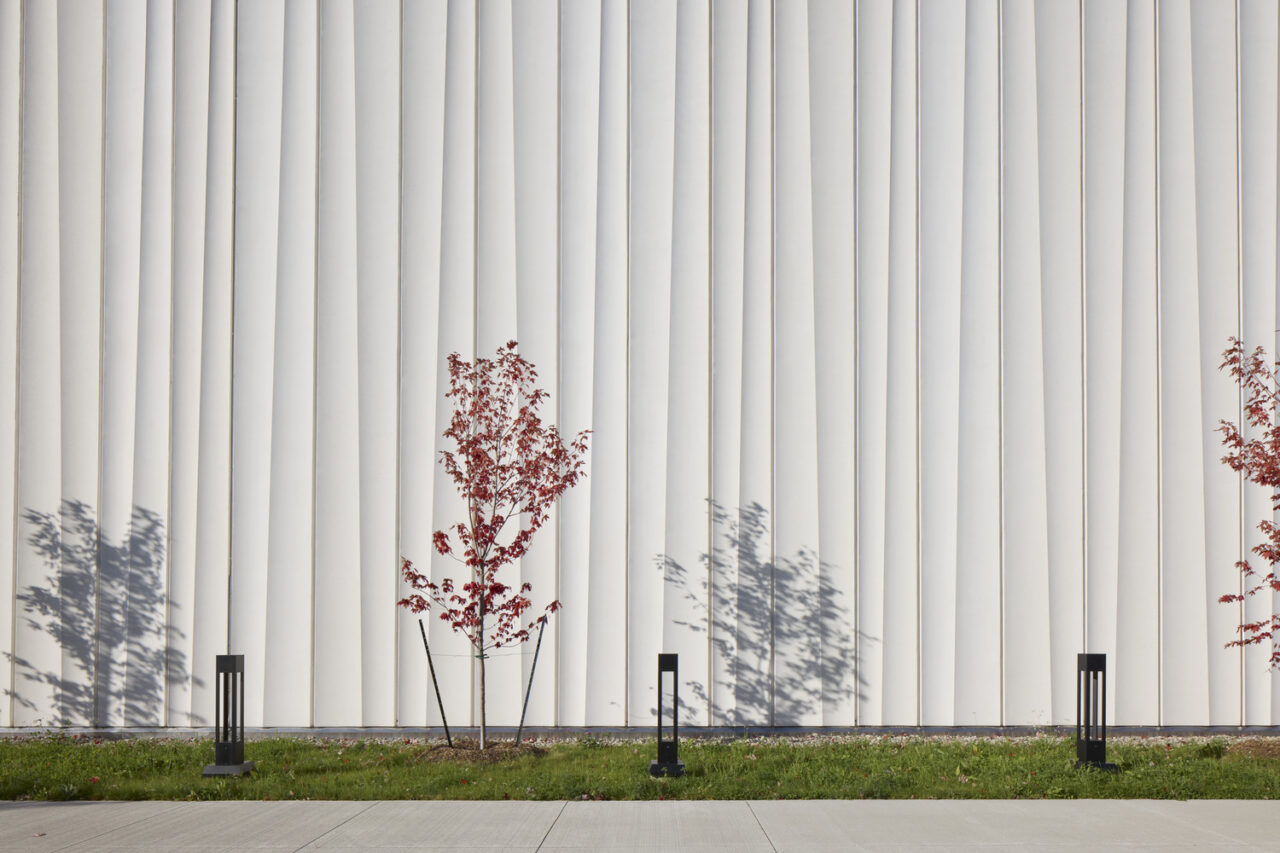
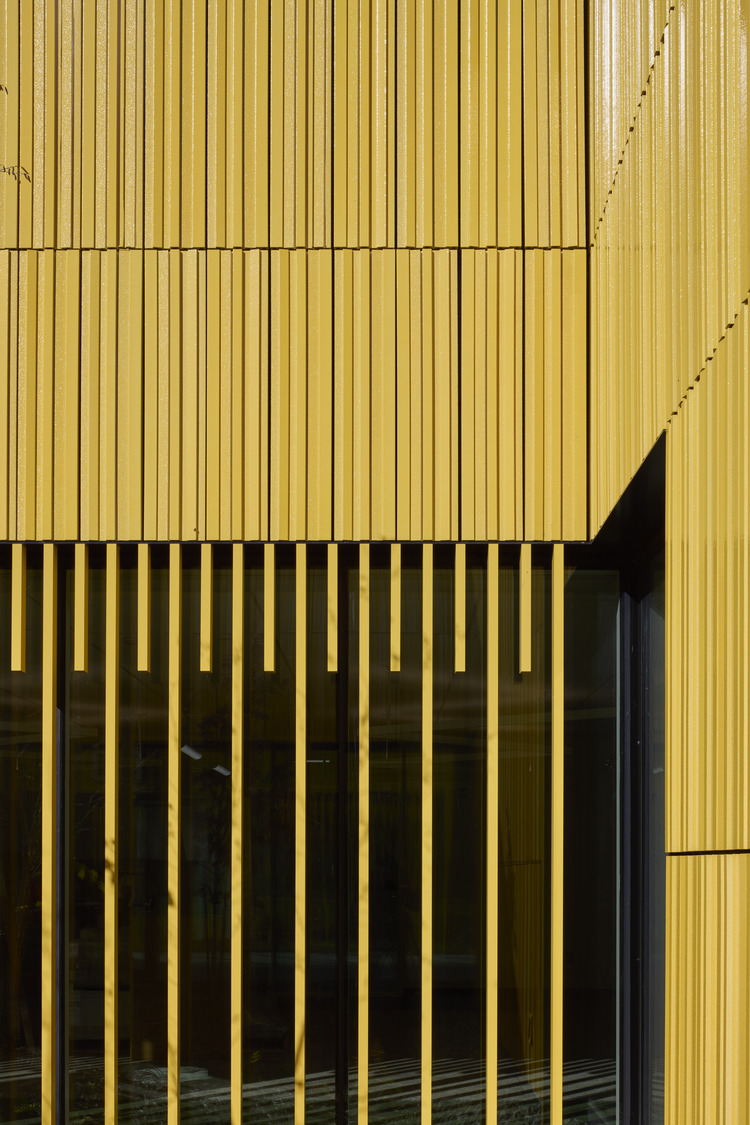
The architectural identity of the exterior also reflects this duality and emerged through conversations with Indigenous Elder and artist Simon Brascoupé, a member of the Kitigan Zibi Anishinabeg First Nation. Drawing inspiration from the birch tree—a sacred species native to the region and historically used as a medium for recording and preserving Algonquin narratives—the design reflects the cultural significance of storytelling and memory. To evoke the impression of a birch forest, the collections block is clad in white precast concrete with gently angled fluting. Complementing these lighter surfaces, the office block is wrapped in custom-profiled terracotta panels finished in a textured golden-yellow glaze recalling the birch’s autumnal palette. The PCCC was also designed to accommodate Indigenous ceremonies, with spaces ranging from quiet areas for individual reflection to larger indoor and outdoor gathering spaces for communal events.
Sustainability informed every aspect of the project, including the deliberate avoidance of worst-in-class materials identified in the Living Building Challenge Red List. Powered entirely by Québec’s hydroelectric grid, the facility operates at net-zero carbon while maintaining a Class A archival environment and exceeding national energy-efficiency standards by more than 33 percent. The landscape strategy restored ecological function to a previously asphalted parking lot through the introduction of native planting and stormwater gardens that manage runoff on site while supporting biodiversity.
With advanced environmental control systems, a bespoke storage framework, and dedicated spaces for collections management, conservation, research, documentation, and ceremony, the centre is designed to safeguard and support Canada’s cultural heritage for generations to come.
Moriyama Teshima Architects & NFOE Inc.

Moriyama Teshima Architects is a practice shaped by lived experience, public responsibility, and an enduring belief in architecture as a civic act. Founded by Raymond Moriyama in 1958 and established as a partnership with Ted Teshima in 1970, the firm emerged from a place of exclusion, displacement, and ultimately resilience. Their early experiences established a deep commitment to dignity and democracy, which found architectural expression in formative public works. From the outside, the firm demonstrated that architecture can be generous and humane, capable of welcoming difference while fostering shared civic life.
In the present, MTA has continued to evolve through collective leadership while remaining grounded in its founding principles and bringing together diverse perspectives. Within the past twenty years, the firm has pushed boundaries in social inclusion, sustainable innovations, architectural beauty, and technical leadership.