 International Architecture & Design Awards 2026
The Polychrome Retreat
DOOR SPACE DESIGN
Interior
The Polychrome Retreat — IADA 2026 award
The Polychrome Retreat received Honorable Mention recognition at the International Architecture & Design Awards 2026 in Interior. Project status, design team and credits are listed alongside the presentation.
About the project
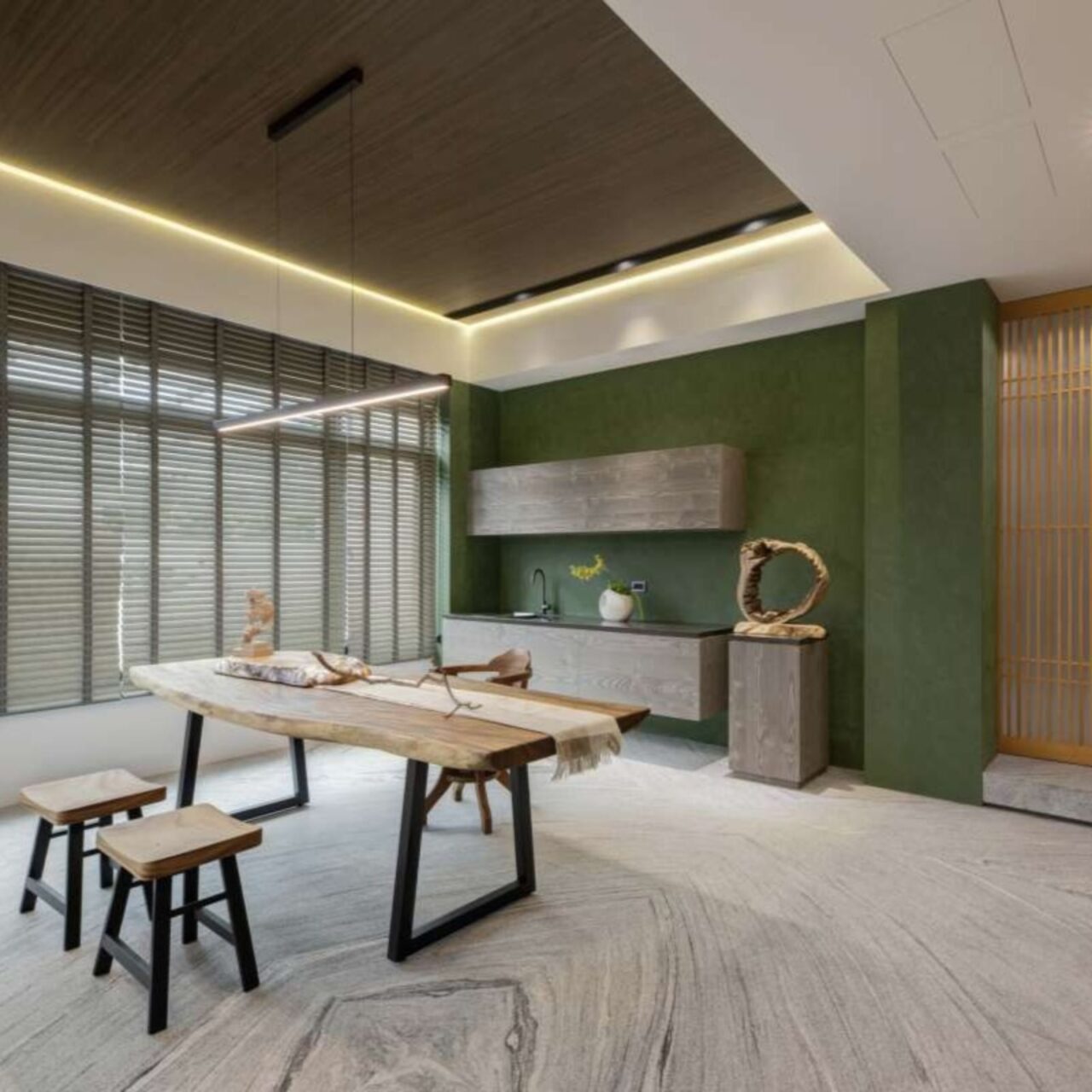
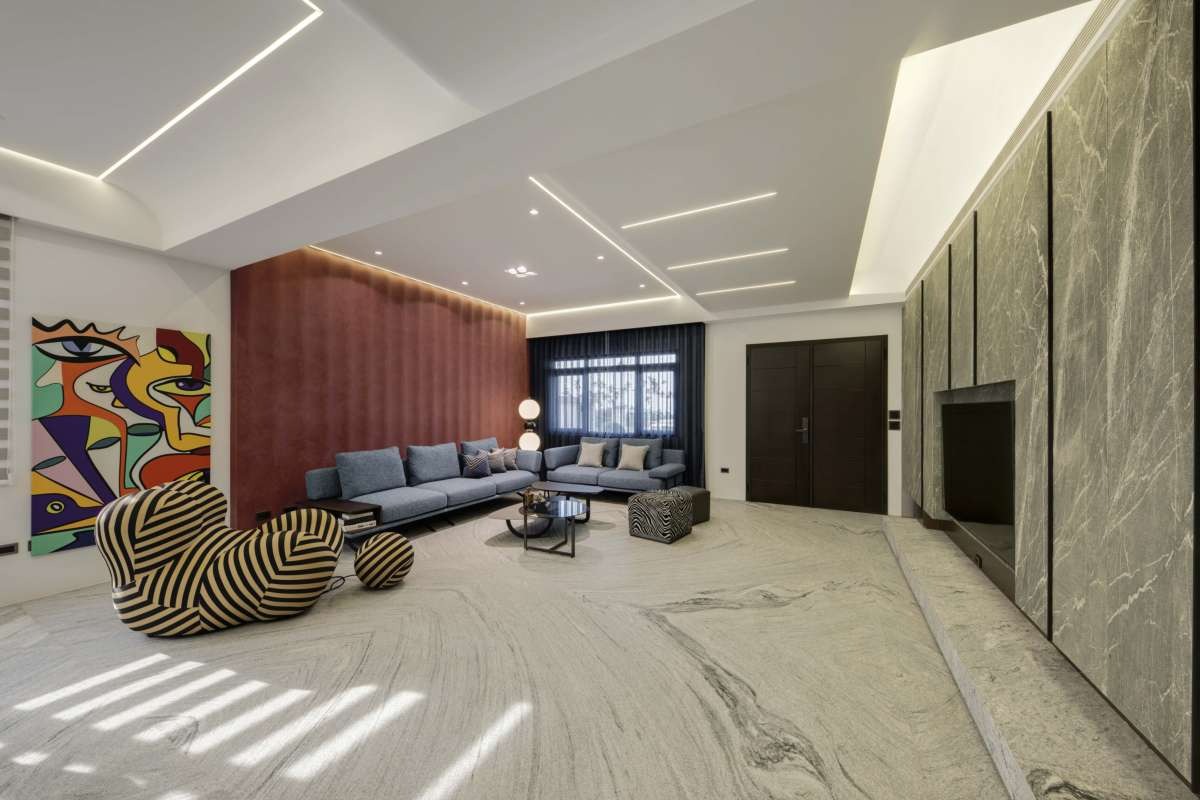
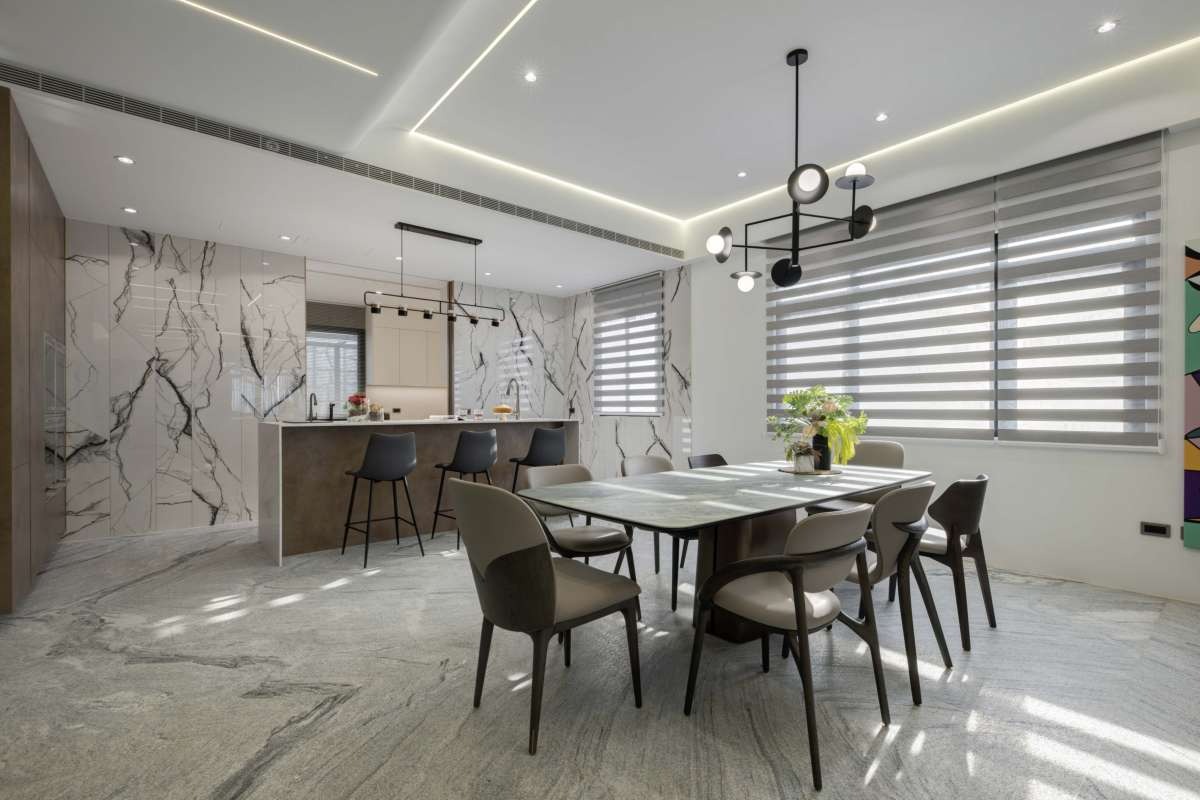
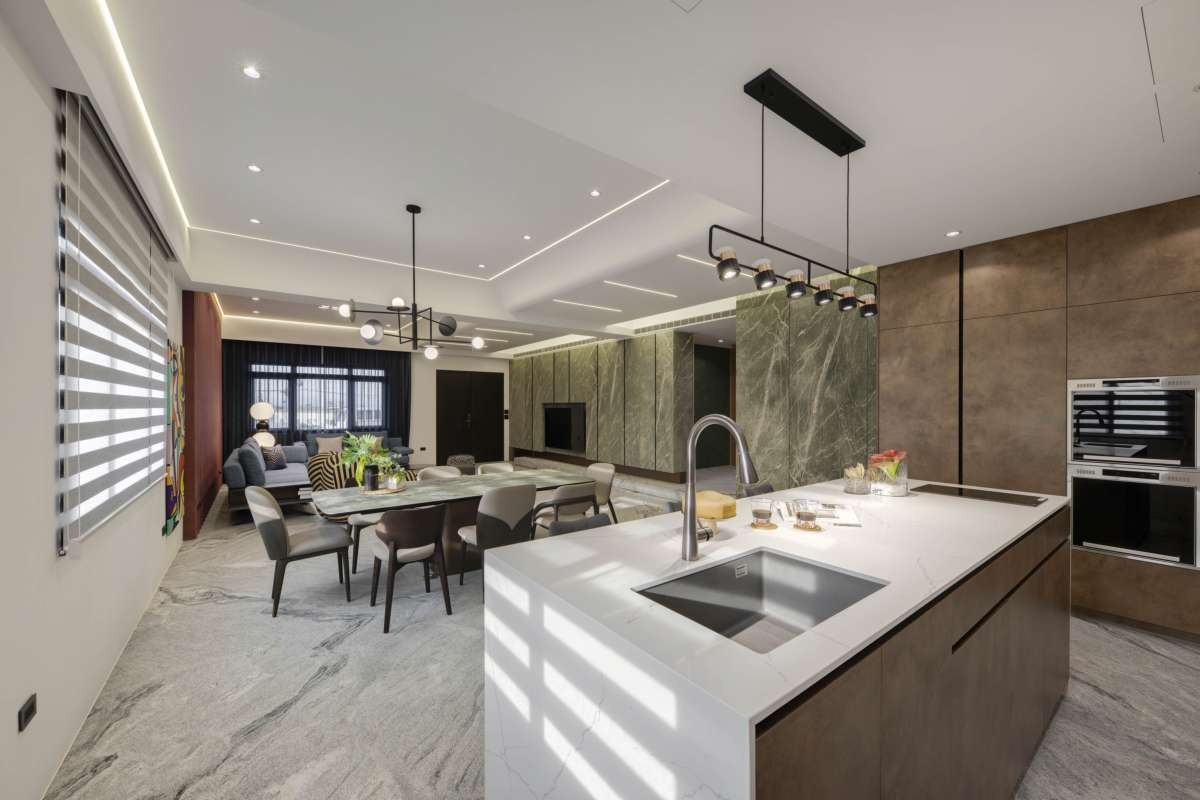
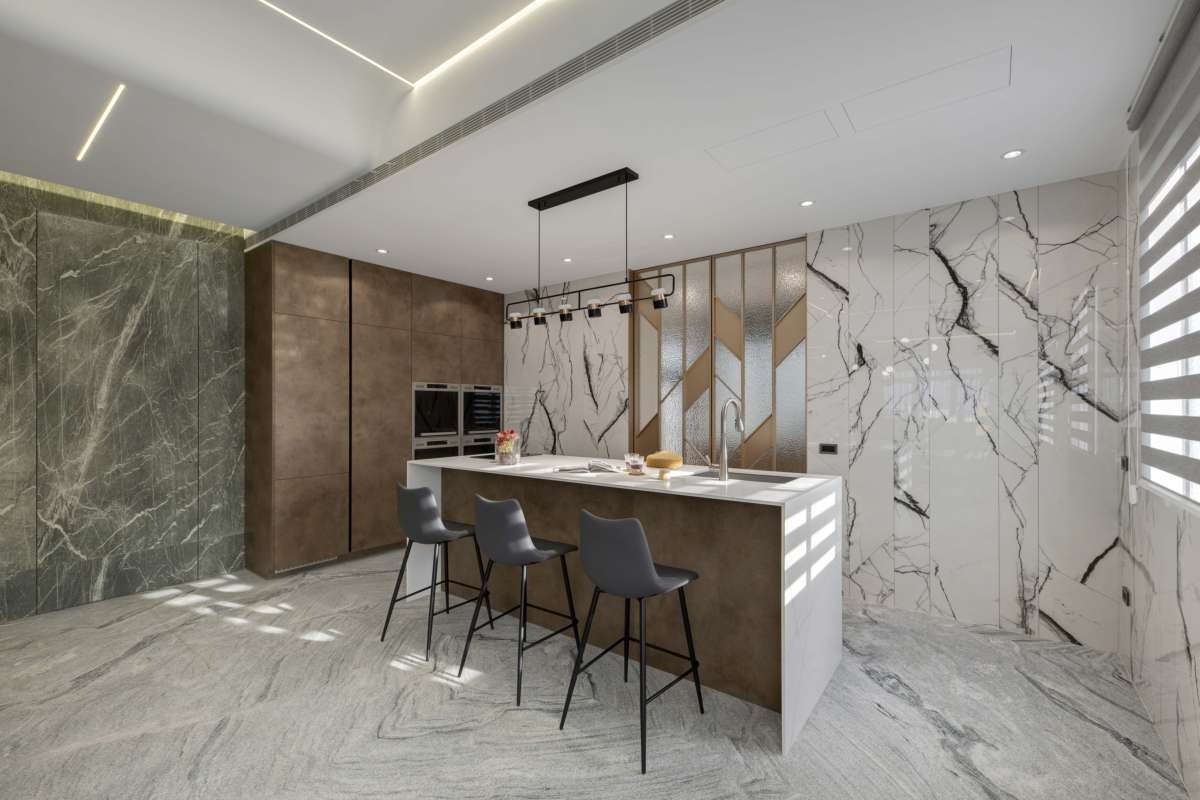
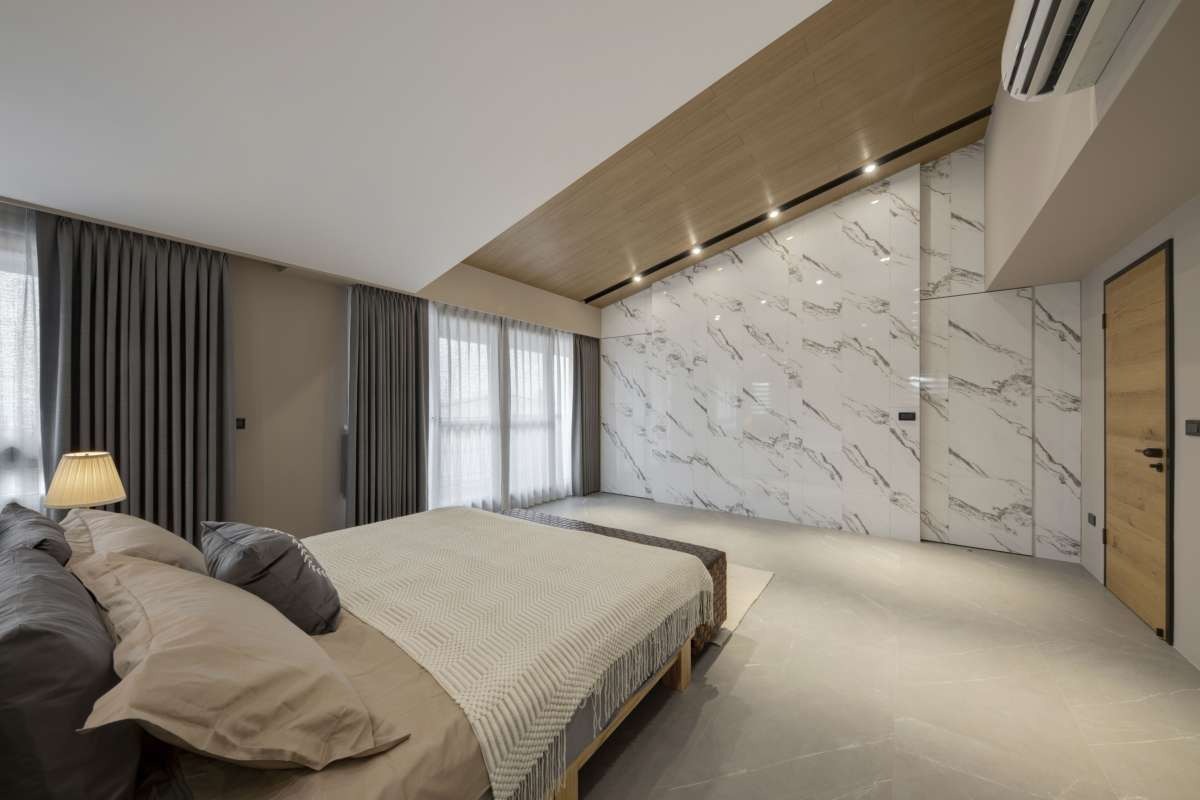
Drawing inspiration from the cultural landscape and aesthetics of the surrounding environment, the design embraces a bold and vibrant color palette paired with natural, unadorned materials, echoing the homeowner’s love for lively hues. Through the interplay of textures and light, a gentle warmth is infused into the space, merging function with minimalist design. Eschewing superfluous embellishments, the home achieves an effortless sense of ease and openness, subtly evoking the charm of a tranquil, resort-like villa with a touch of exotic flair.
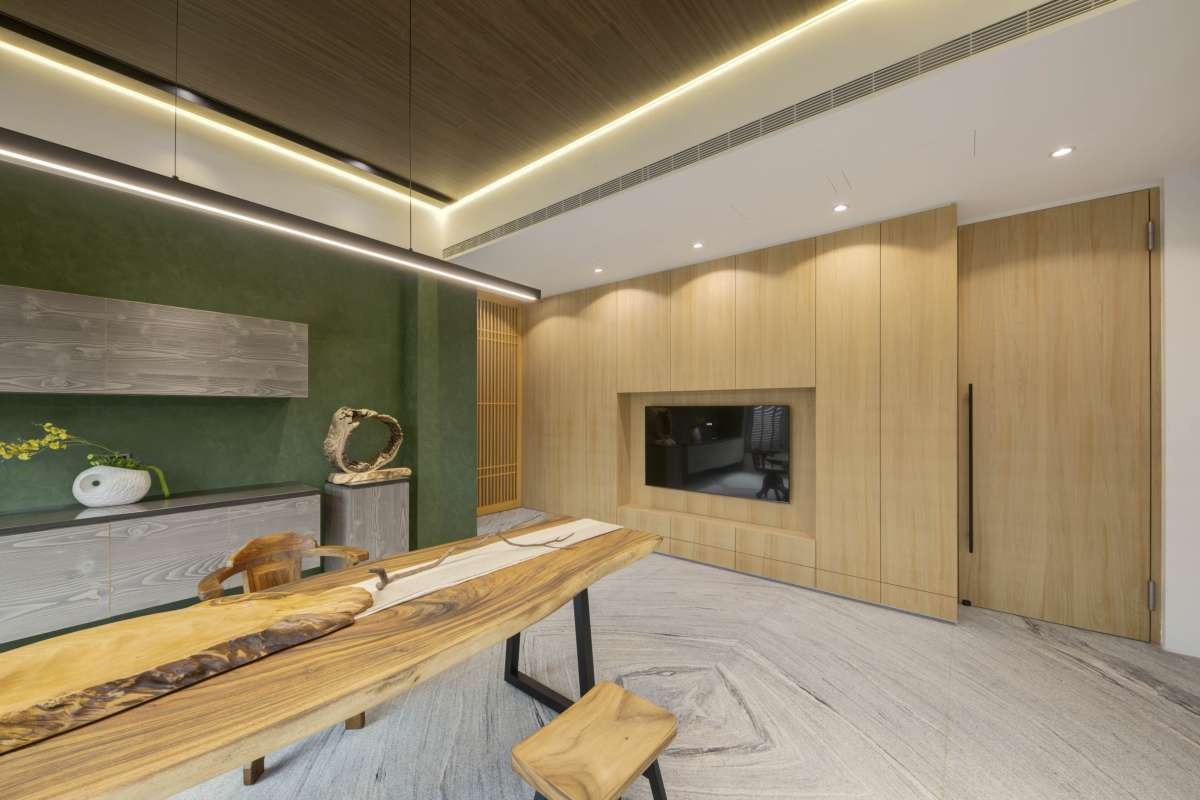
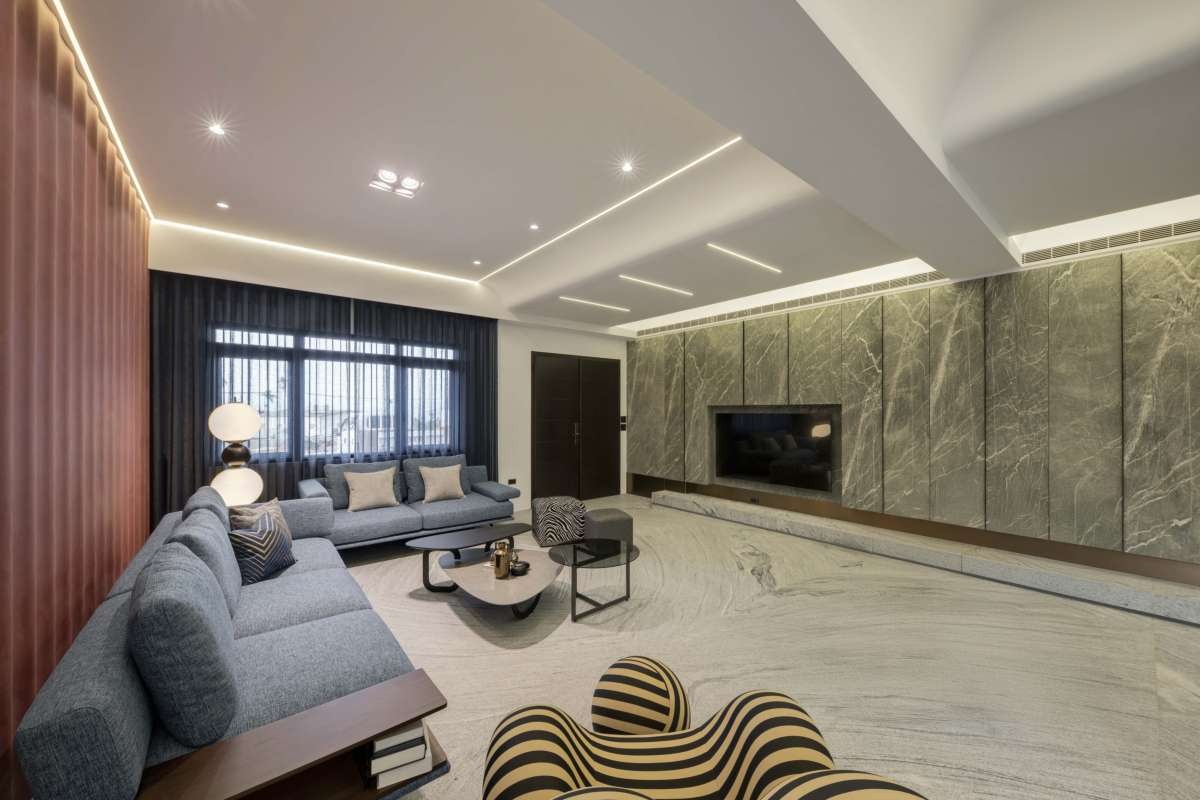
The sofa backdrop wall in the living room features a custom-crafted finish—achieved through a combination of troweling techniques and material layering—to create flowing, wave-like textures that add visual depth and evoke a distinctive ambiance. Both the living room and tea room include dual-sided TV cabinets, designed with structural considerations such as load-bearing capacity, support points, and secure anchoring, thereby enhancing both practicality and spatial efficiency.
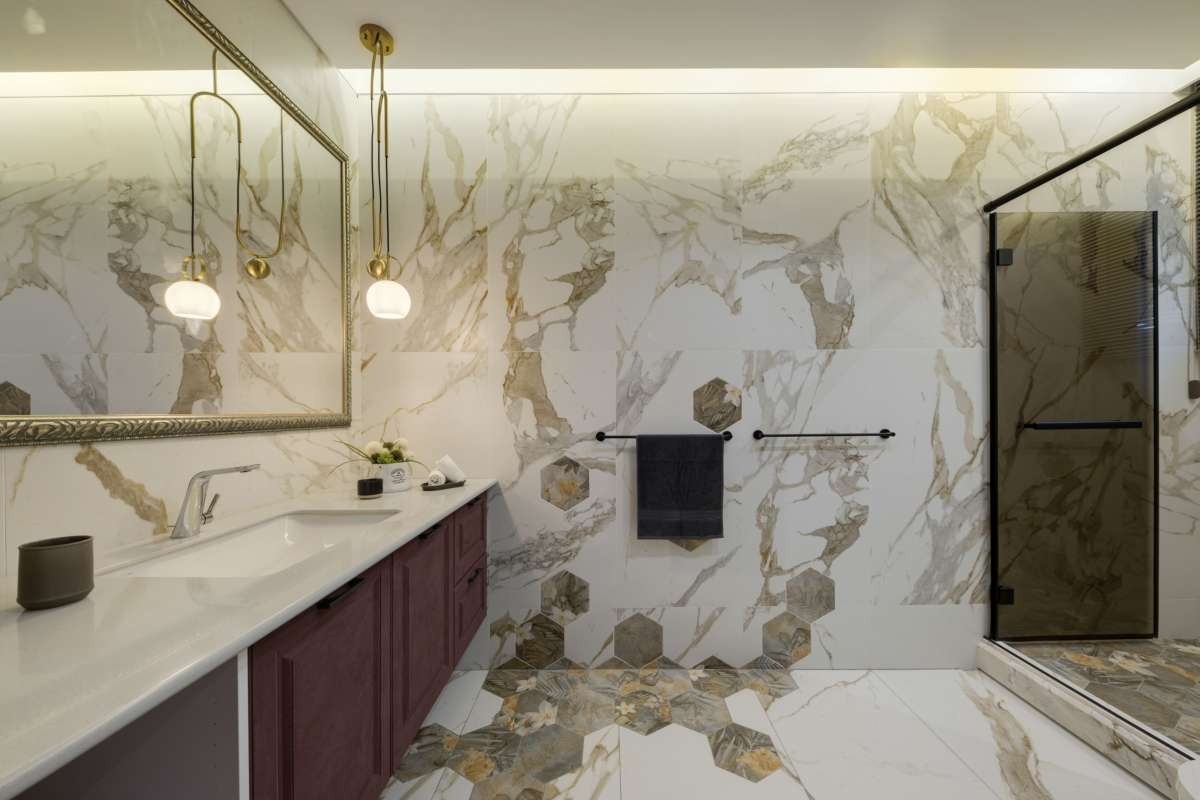
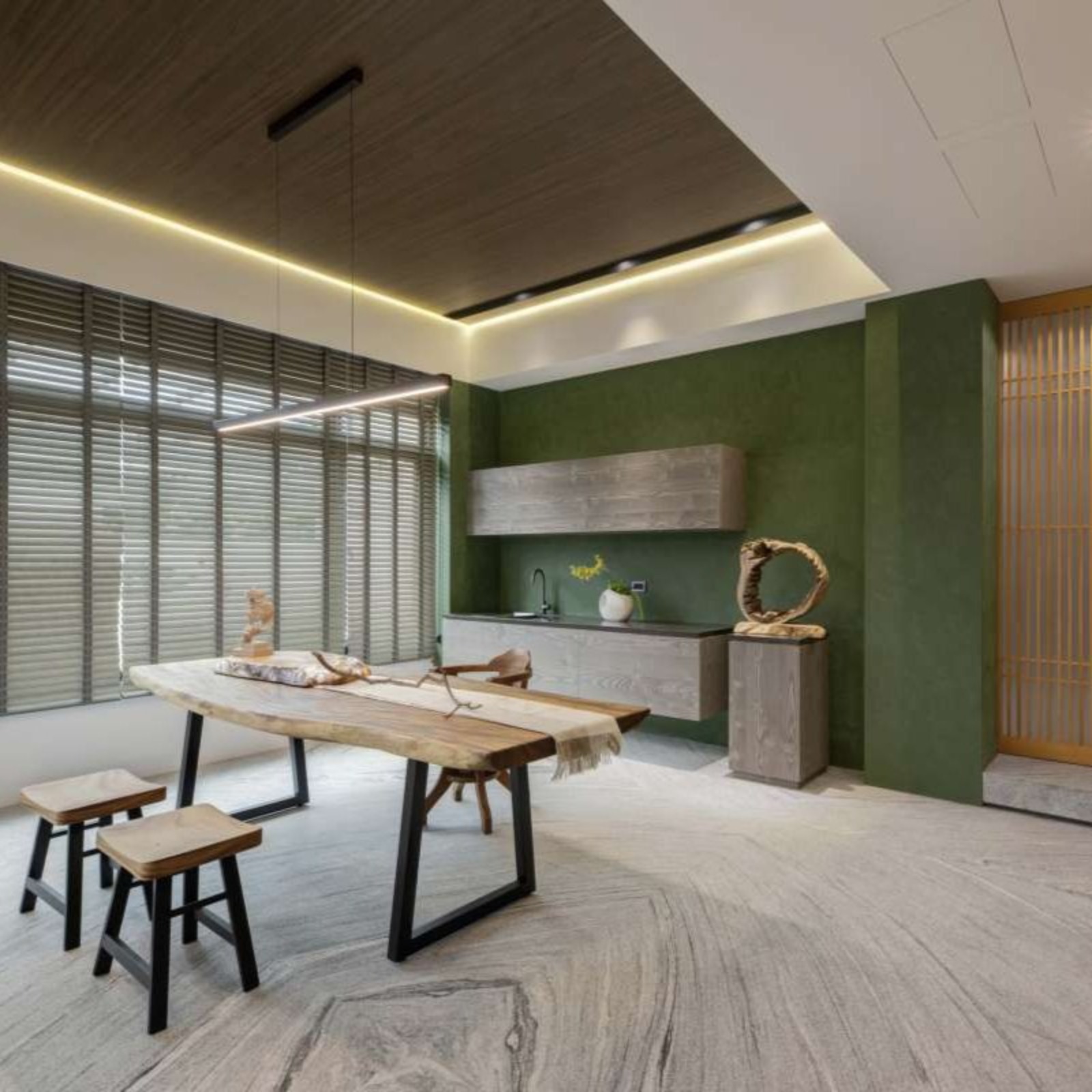
The flooring throughout is finished in granite, chosen for its dense texture, hardness, heat resistance, and corrosion resistance, while the sofa wall is adorned with a deep ochre-toned mineral paint. In the living room, large-format stone veneer clads the double-sided cabinet, exuding a bold, organic aesthetic. In contrast, the tea room’s cabinet is crafted from hinoki wood, enveloping the space in a soothing natural aroma. In the bathrooms, hexagonal tiles are artfully combined with large slabs using specialized techniques to highlight clean, minimalistic stone patterns, creating a visual extension that enhances spatial depth.
Eco-friendly materials such as water-based paint, mineral paint, and modular system boards were used to improve indoor air quality and reduce potential health hazards. LED lighting was adopted along with segmented lighting circuits to lower electricity consumption and reduce carbon emissions.
An open-plan layout minimizes partition walls and redundant functions, reducing material use and decoration costs. Low-E glass effectively prevents external heat from entering the home, achieving energy efficiency, while anti-smog mesh screens on windows help block outdoor pollutants and maintain fresh indoor air.
Rounded profiles were employed at corner transitions to replace sharp edges, reducing the risk of accidental collisions and enhancing both safety and ease of movement within the home. Non-slip tiles were installed in wet areas, and circuit breakers with leakage protection were integrated to prevent electrical accidents. These thoughtful safety features support a universally accessible and age-friendly living environment.