 International Architecture & Design Awards 2026
Regenerative Vegan House
tono Inc.
Household & Residential Building Design
Regenerative Vegan House — IADA 2026 award
Regenerative Vegan House received Platinum Winner recognition at the International Architecture & Design Awards 2026 in Household & Residential Building Design. Project status, design team and credits are listed alongside the presentation.
About the project
Regenerative Vegan House
Yakushima, located in the south of the Japanese archipelago, receives a lot of rain throughout the year and takes advantage of high rainfall and mountainous terrain to supply almost 100% of its electricity demand through hydroelectric power.
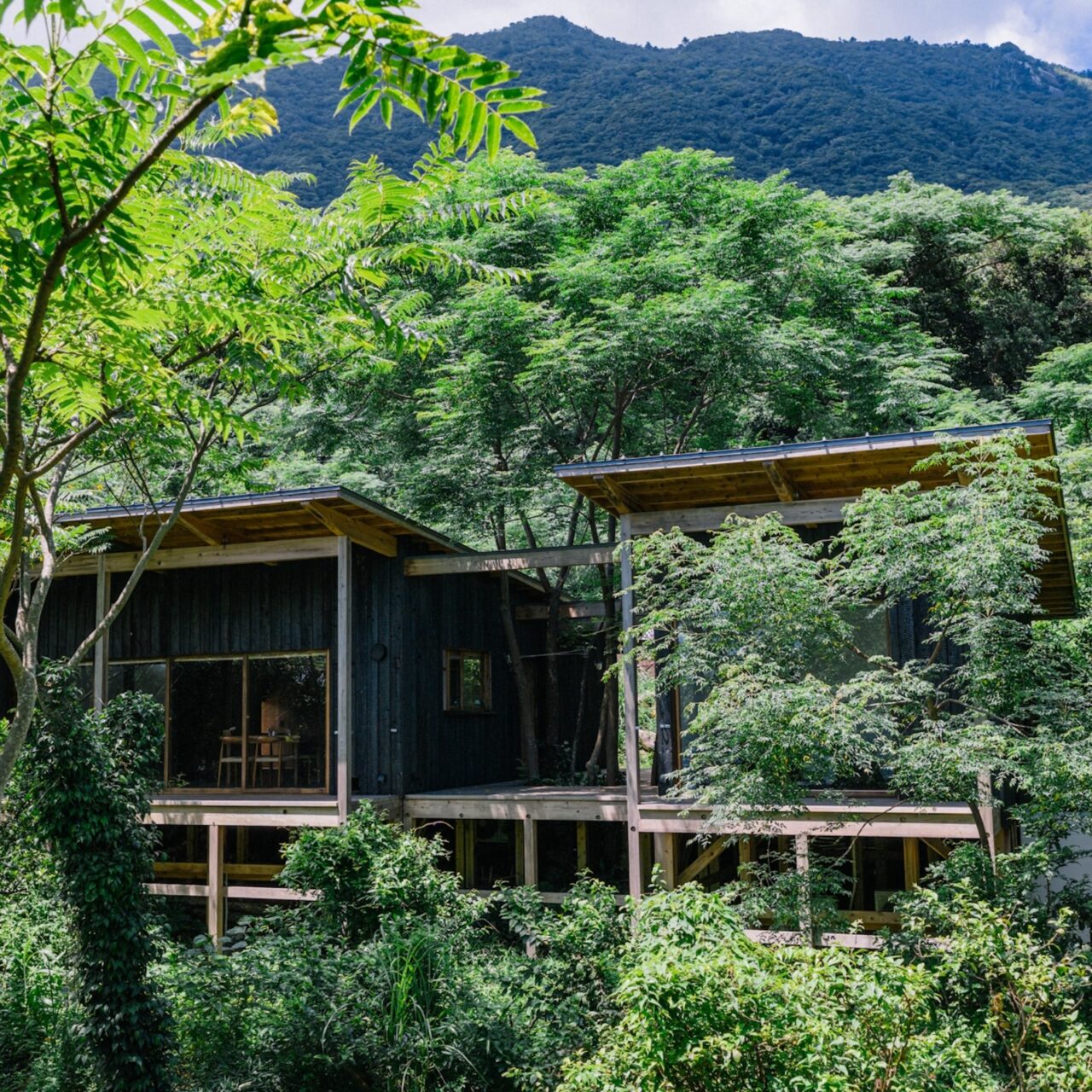
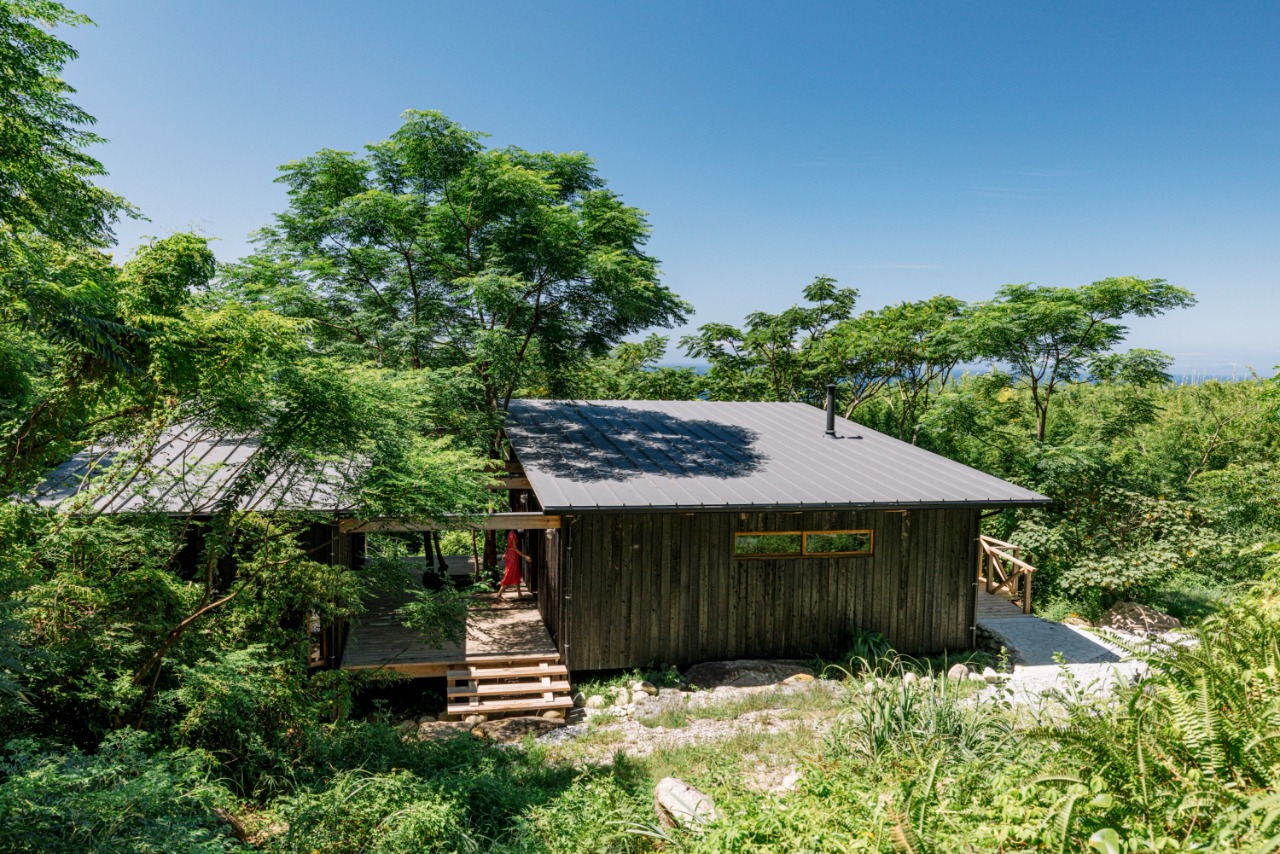
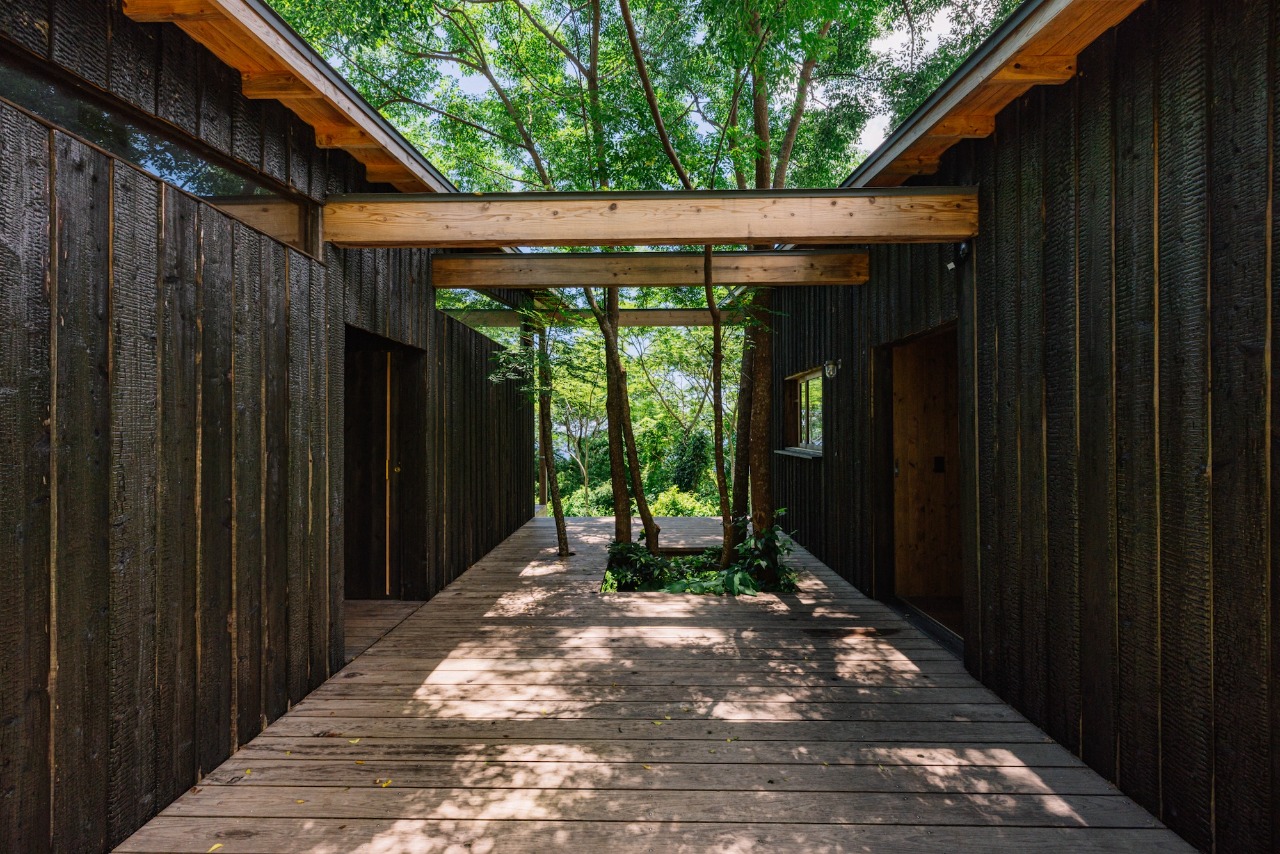
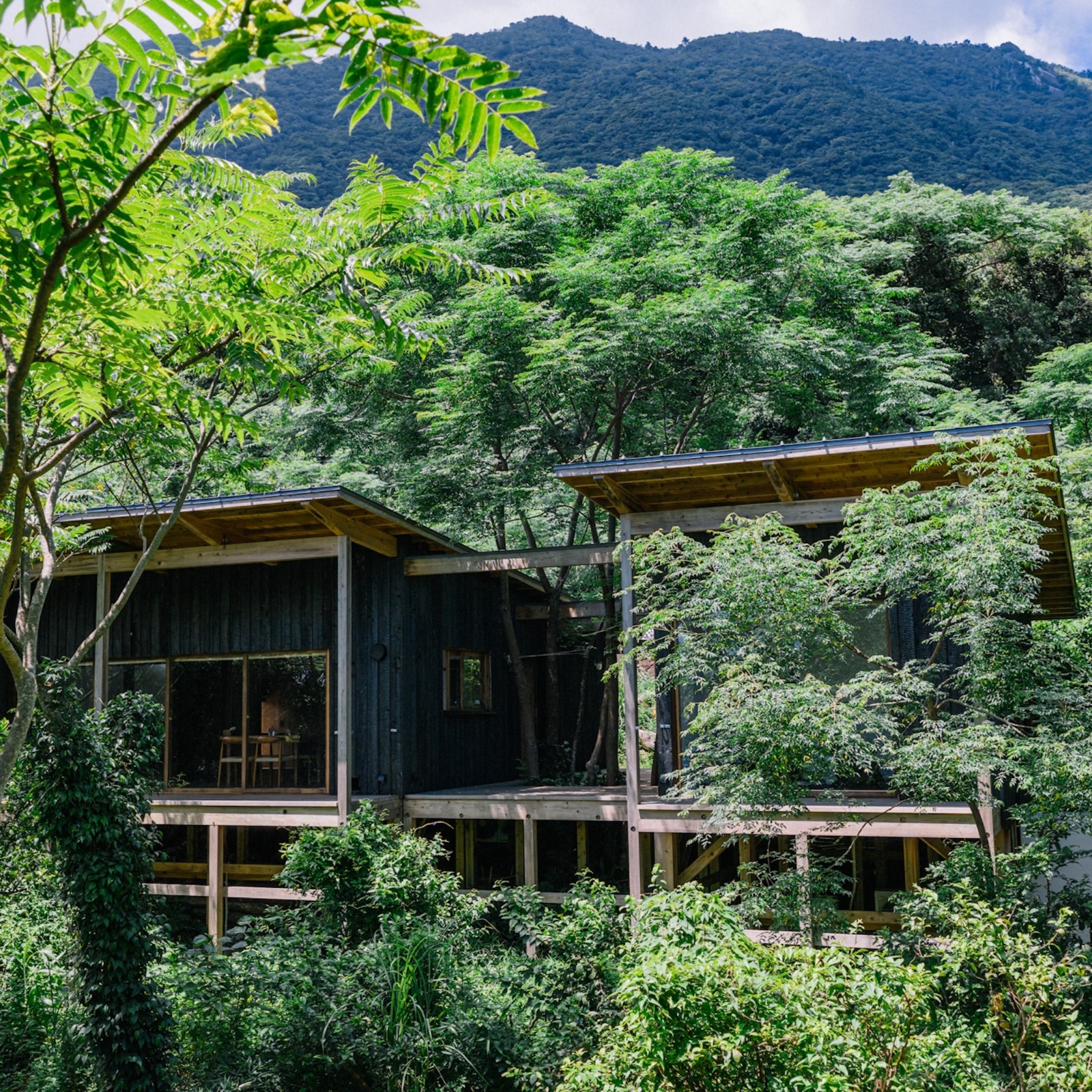
The building, which is positioned to make use of the existing vegetation, rocks and natural spring water, it is a regenerative house that not only allows the residents to feel close to nature, but also aims to positively contribute to the natural cycle and enrich it.
This building, which is made from natural, plant-based materials and has a low environmental impact, can also be called a "Vegan House," as it is in-tune with the lifestyle of the residents. Its ethical framework that respects life is a concept that redefines the principles of sustainability to date.
The rule of regenerative vegan house:
1. Plant-Based Materials – No animal-derived products
2. Ethical Integration – Protecting habitats and
fostering symbiosis
3. Regenerative Practices – Restoring and
enriching the environment
“Vegan House” respects all life.
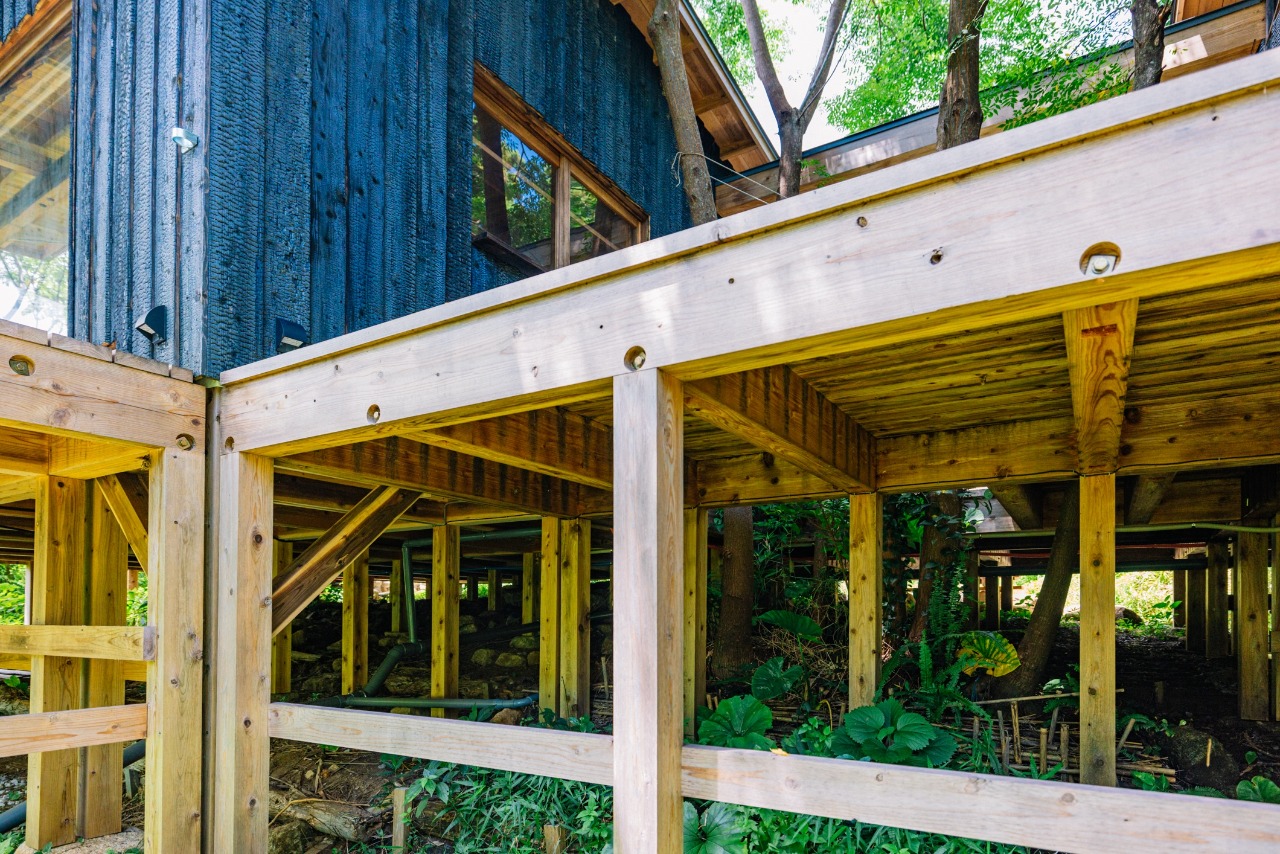
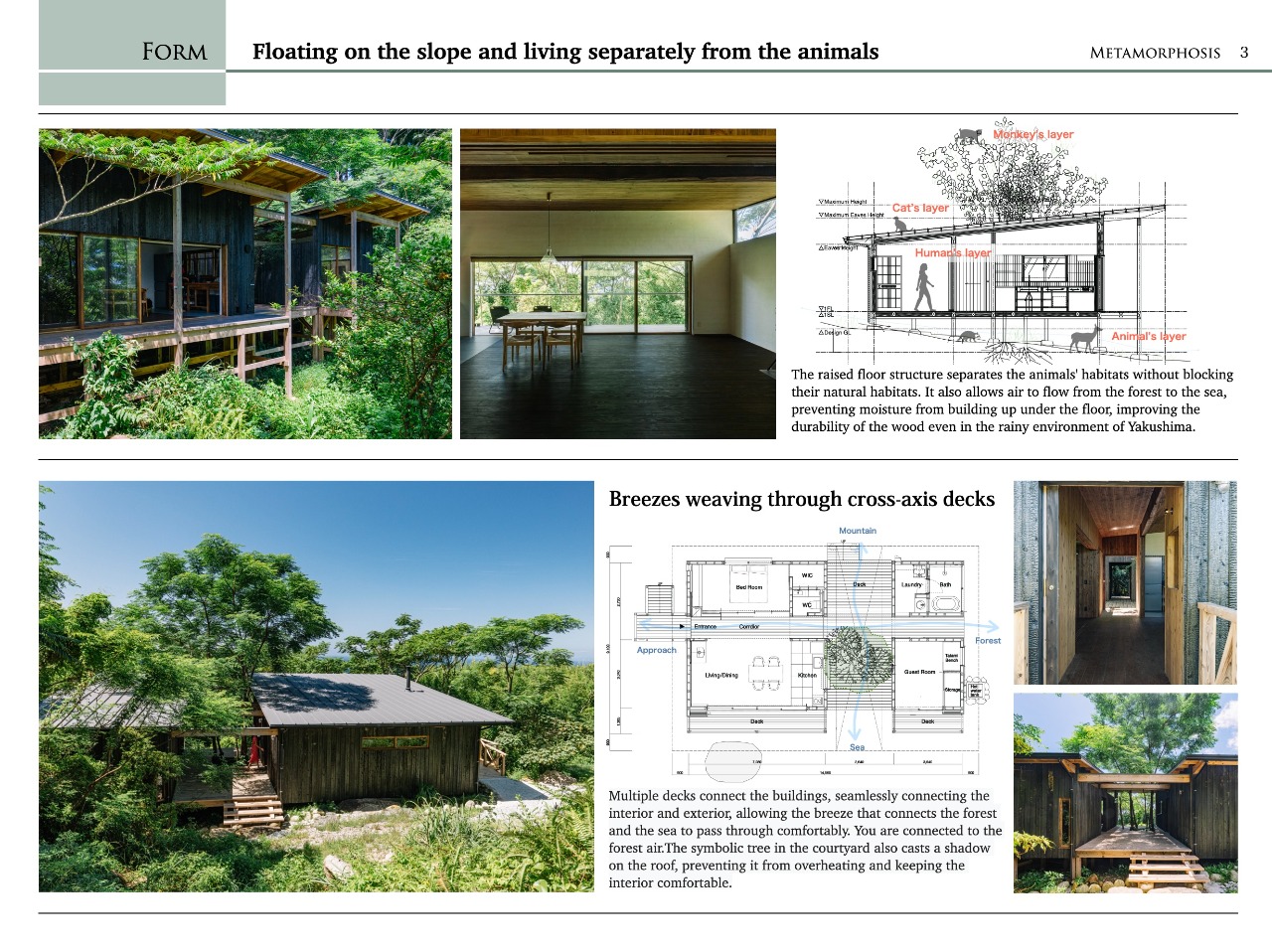
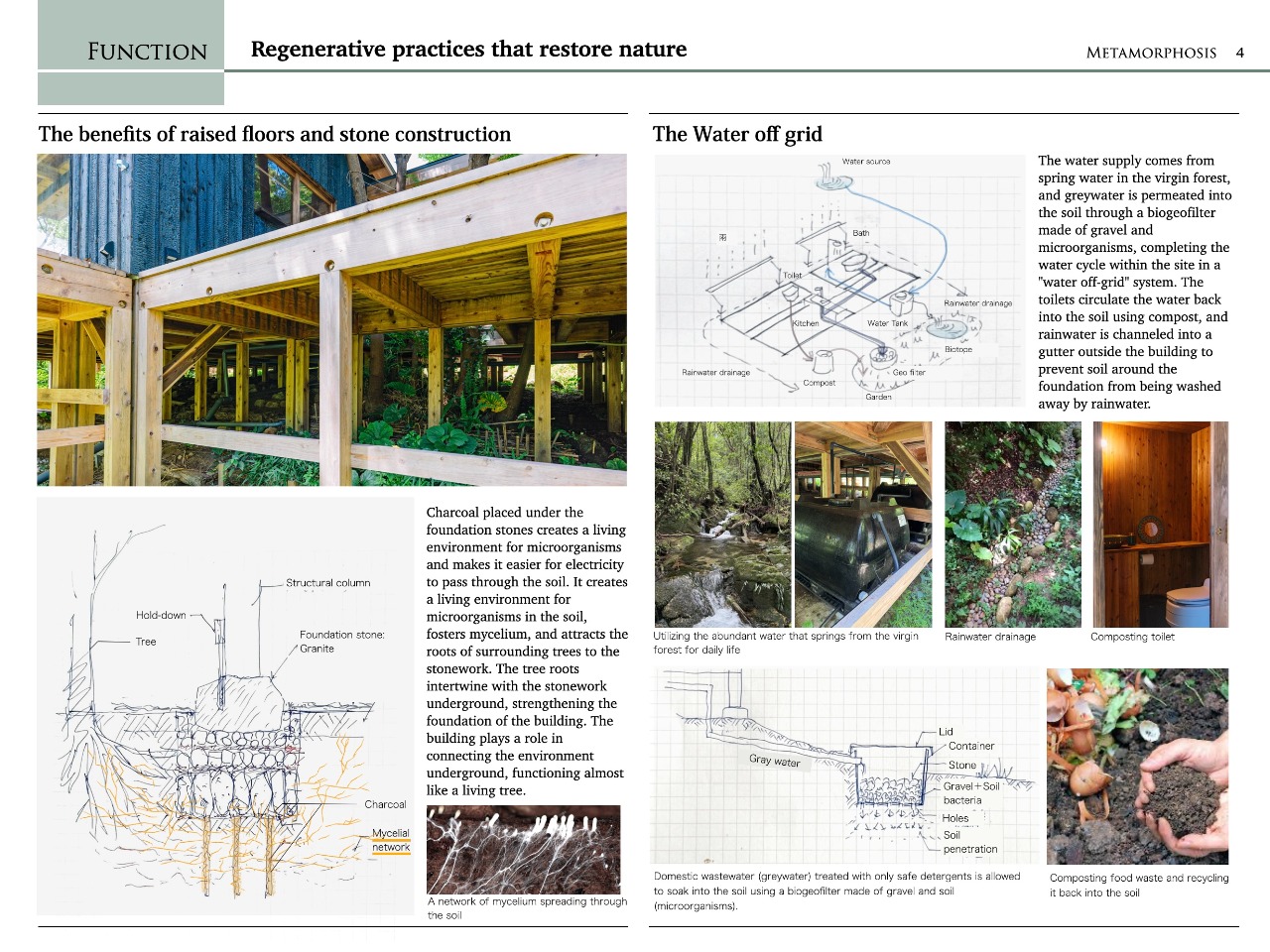
It nurtures the underground environment through the traditional Japanese ishibadate—a dry-laid stone foundation without concrete. Using granite from the site, the base is layered with stones enriched with charcoal and organic matter, an ancient Japanese wisdom.
The design shapes the distance between nature and daily life, separating human and animal paths to enable coexistence. Poised as if floating on the sloping terrain, the house coexists with local wildlife.
A regenerative architectural practice that restores nature.
Charcoal beneath the foundation stones nurtures soil microorganisms, spurs mycelium growth, and draws nearby tree roots toward the stonework. As roots intertwine underground, they reinforce the base. The structure connects underground ecosystems, functioning almost like a living tree.
Water is sourced from forest springs, while graywater passes through a gravel–microbe biofilter to infiltrate the soil, completing an on-site “water off-grid” cycle. Composting toilets return nutrients to the earth, and rainwater is guided into perimeter drains to prevent erosion around the foundation.
Effects of Vegan Materials
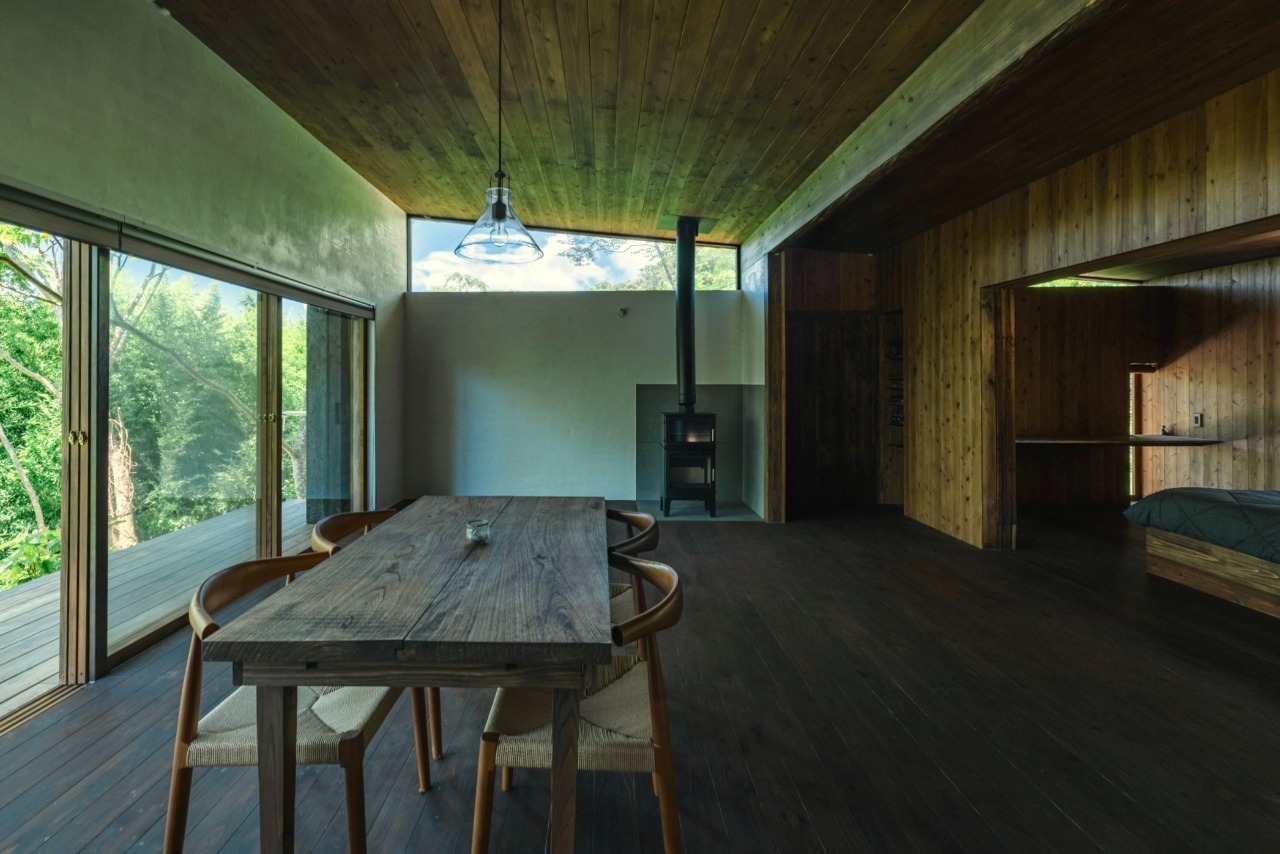
Using plant-based resources such as charred cedar, hemp-fiber insulation, and local cedar with natural plaster creates a comfortable living environment.
Sustainability for next 100 years
Architecture born from the land and destined to return to it. Building with materials sourced from the site allows repairs with local resources and ensures that, when dismantled, nothing becomes waste—everything returns to the land.
tono Inc.

Based on the World Heritage Site of Yakushima, tono Inc. is a regenerative architecture design studio led by microbial architect Tsukasa Ono.
"Tono" means "with" or "together," and we embrace the philosophy of designing architecture that fosters positive relationships between nature and people.
Our mission is to continually practice the regeneration of the Earth through architecture.
We move away from a human-centered approach and embrace life and cycles,
building relationships in which all beings can thrive together.
Our goal goes beyond "protecting nature" to create architecture that "regenerates with nature."
Regenerative architecture is not simply a technology or construction method; it is a system that reminds us that humans are inherently part of nature.
The act of architecture sends a wave of ecosystem enrichment spreading throughout the world—tono is shaping that future.
Project films