 International Architecture & Design Awards 2026
Villas de San Pablo Cultural Center
Urban Transformation Program Colombia: ETH Zurich / Urban-Think Tank_next / UPB Medellín / Santo Domingo Foundation / SECO
Urban Design & Master Planning
Villas de San Pablo Cultural Center — IADA 2026 award
Villas de San Pablo Cultural Center received Platinum Winner recognition at the International Architecture & Design Awards 2026 in Urban Design & Master Planning. Project status, design team and credits are listed alongside the presentation.
About the project
A sustainable and replicable prototype for empowering vulnerable communities
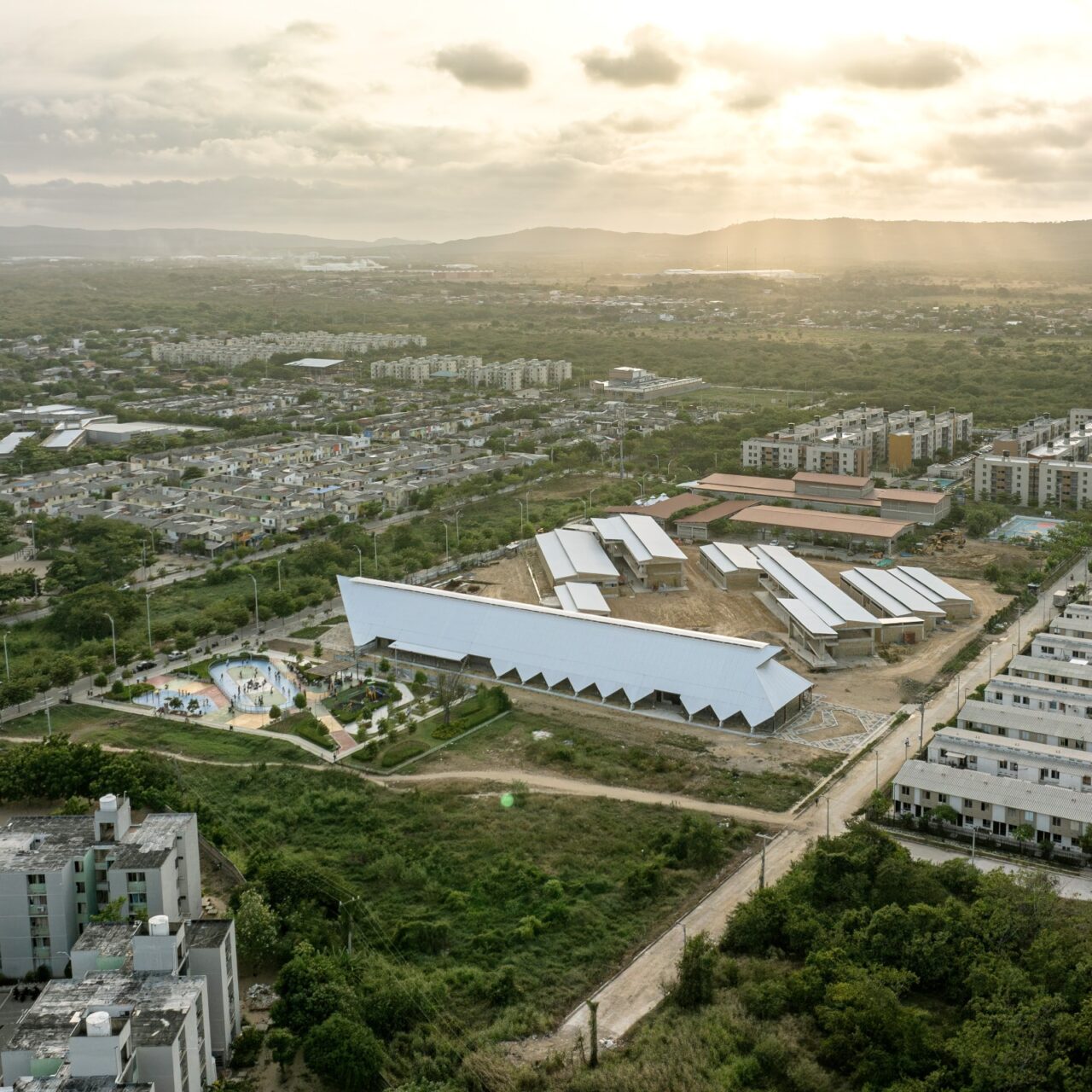
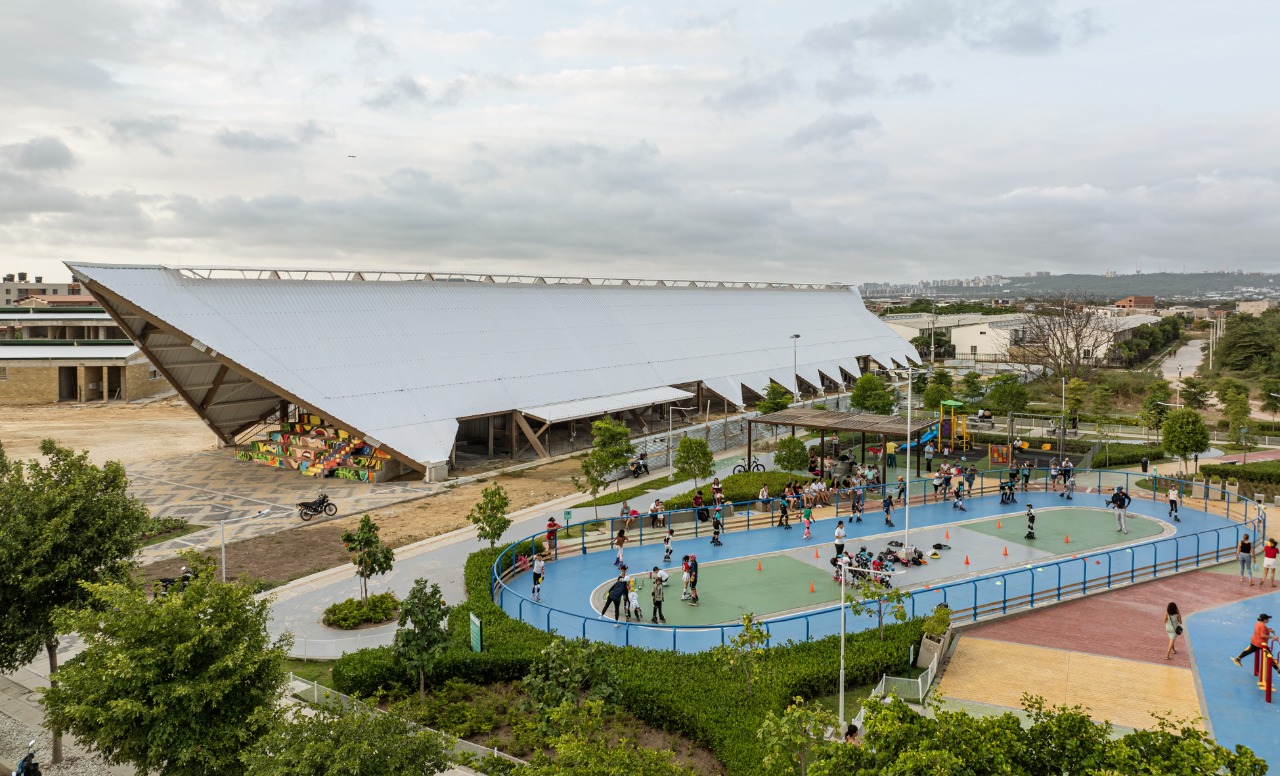
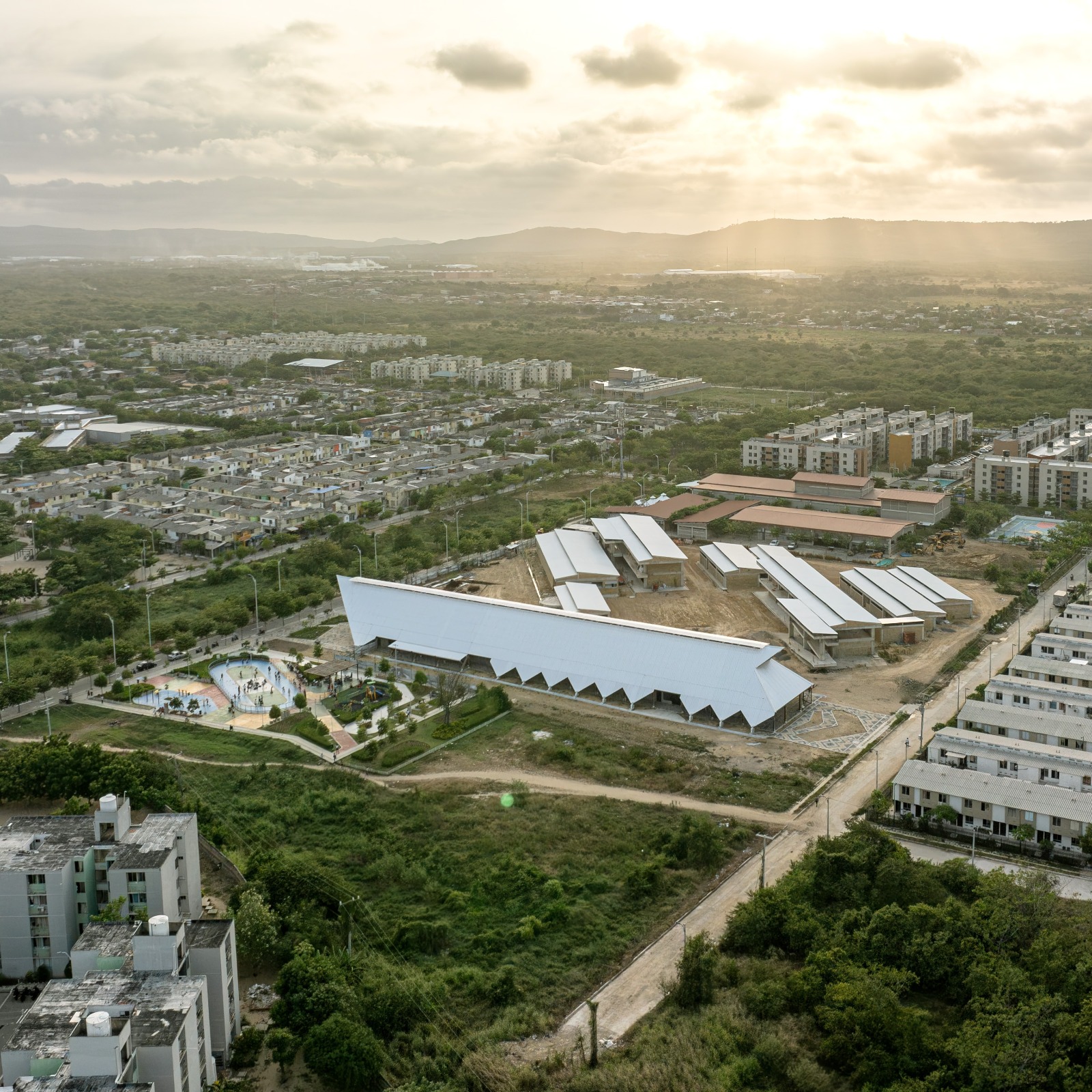
Barranquilla, the main city of Colombia’s Caribbean region, is a major cultural reference in Latin America. Its Carnival, recognized by UNESCO, reflects a rich fusion of African, Indigenous, and local traditions.Within this cultural context, the Cultural Center is located in the Megabarrio Villas de San Pablo, a large-scale urban development in the southwest of the city. Launched in 2007 by the Foundation Santo Domingo, this initiative seeks to provide dignified housing and improved living conditions for vulnerable communities, including low-income families, conflict-affected internally displaced people, and migrants.
This Megabarrio functions as a “15-minute city” laboratory, placing residents at the center of urban development. Within this framework, the Cultural Center is conceived as a community-driven, replicable prototype that positions culture and education as essential social infrastructure. It promotes inclusion, resilience, and collective identity by bringing together traditional knowledge and local cultural practices within the Caribbean region’s hyper-diversity.
The recent opening of the center expands access to culture, education, and recreation. In doing so, it strengthens social cohesion and opens new opportunities for children and youth. The Cultural Center also operates as a hub for environmental education, with programs focused on climate change adaptation, circular economy, and sustainable production, supported by an enhanced public space with facilities for exchange, recreation, and professional training.
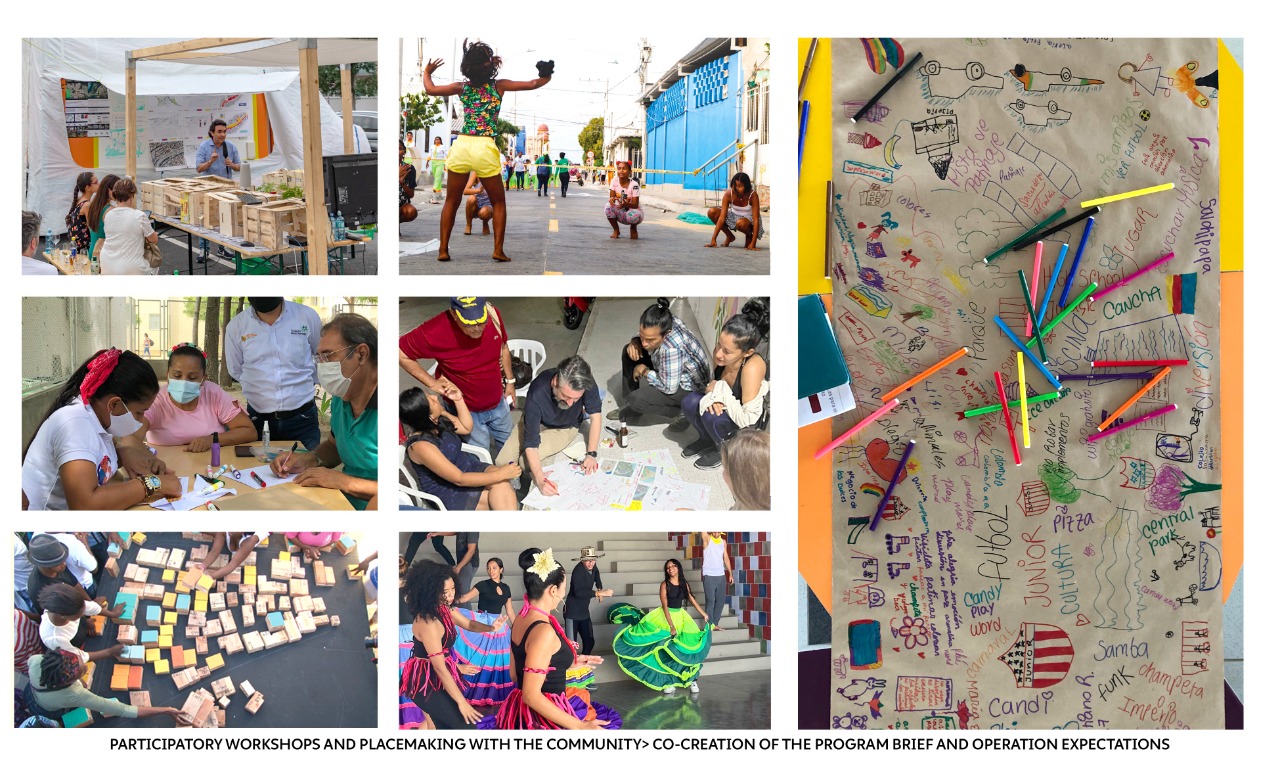
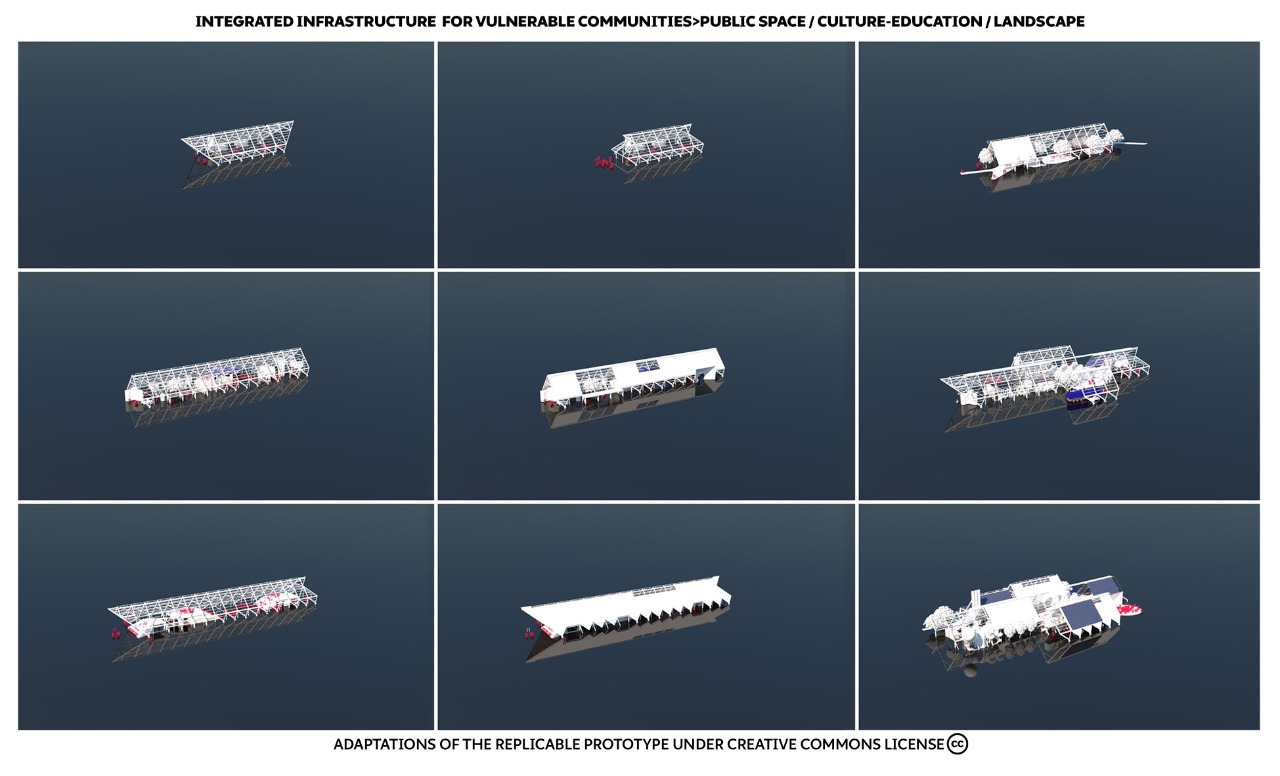
This pilot project is the result of a participatory design process involving residents, community leaders, artists, public institutions, universities, and sustainability experts. This collaborative approach ensures the development of flexible and inclusive spaces that respond to community dynamics, complemented by a cultural program centered on artistic education, creative entrepreneurship, heritage preservation, and environmental protection. Published under a Creative Commons license, the modular and scalable design can be adapted to multiple uses and contexts.
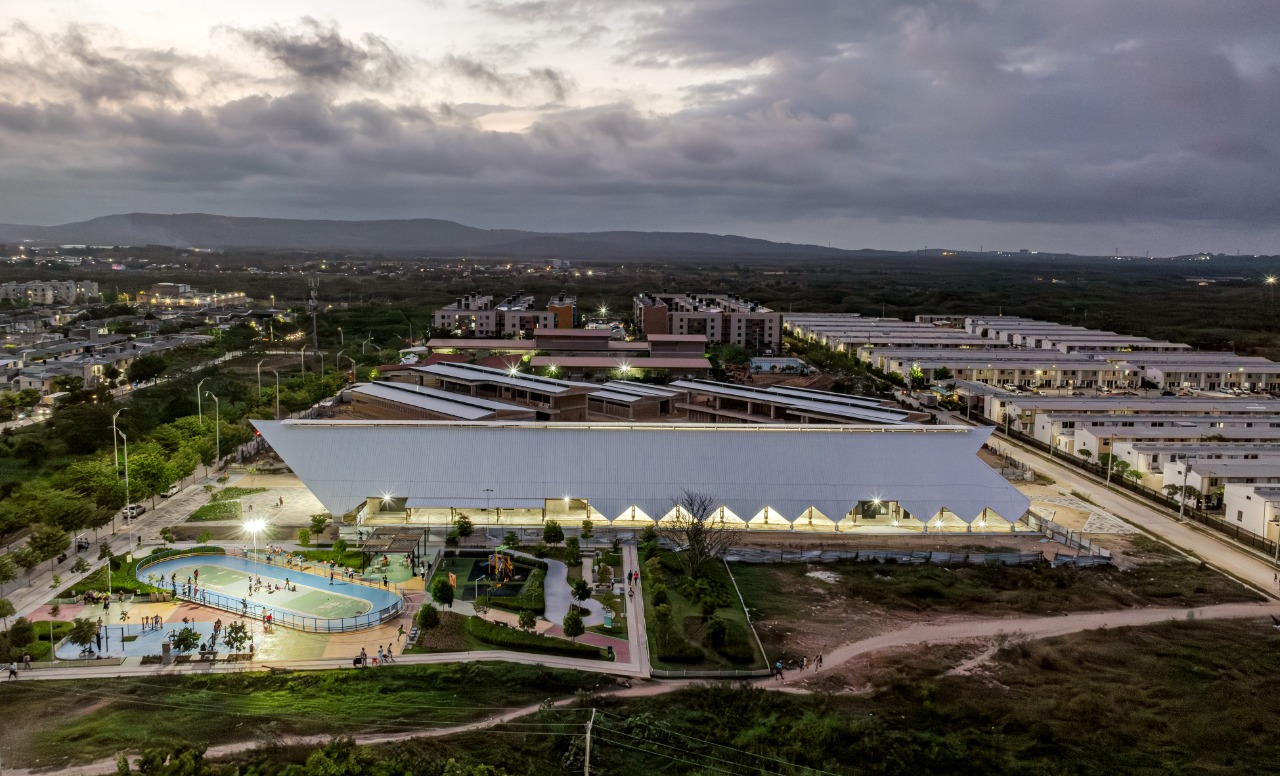
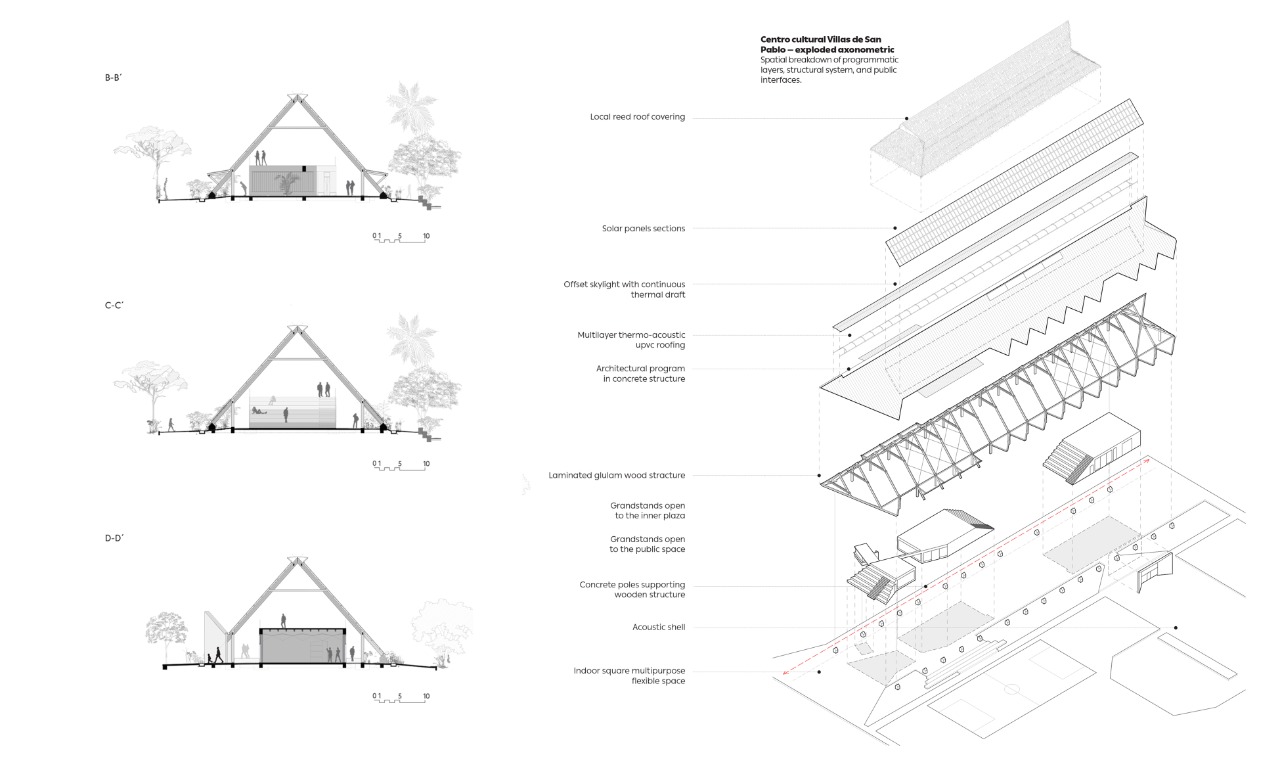
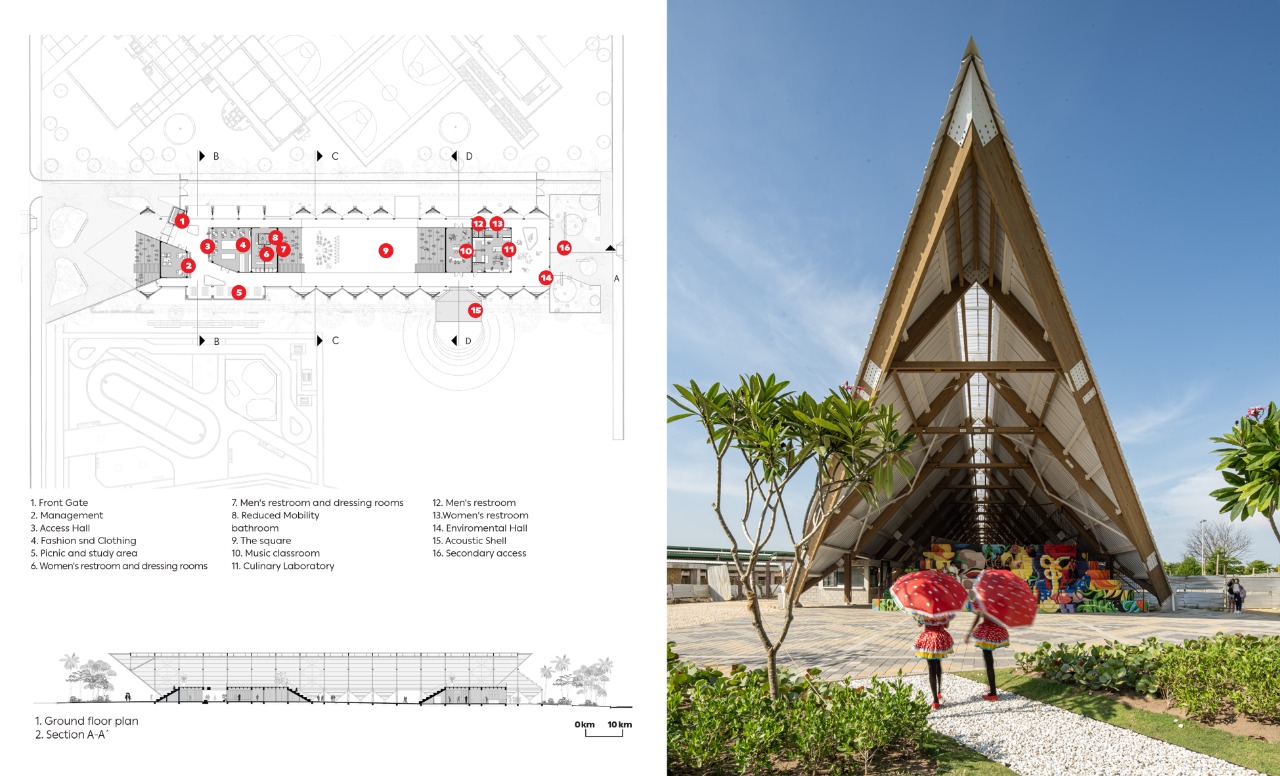
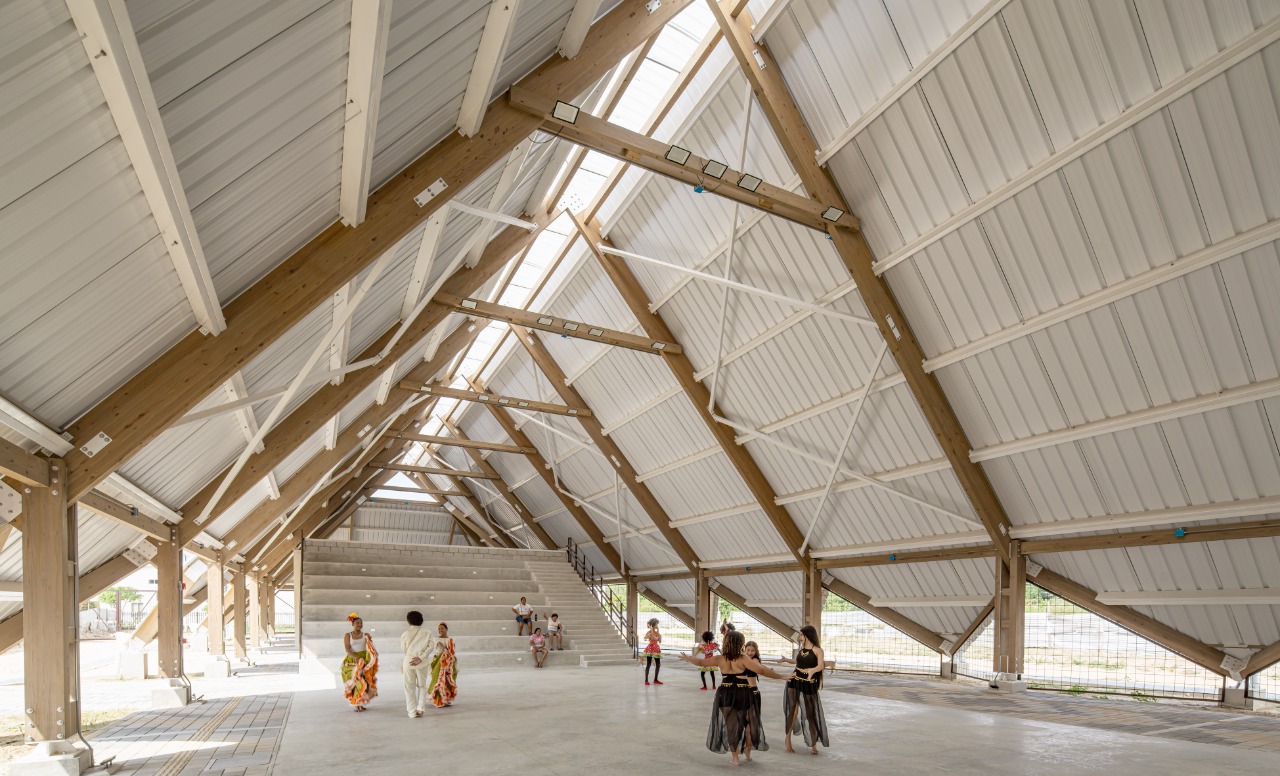
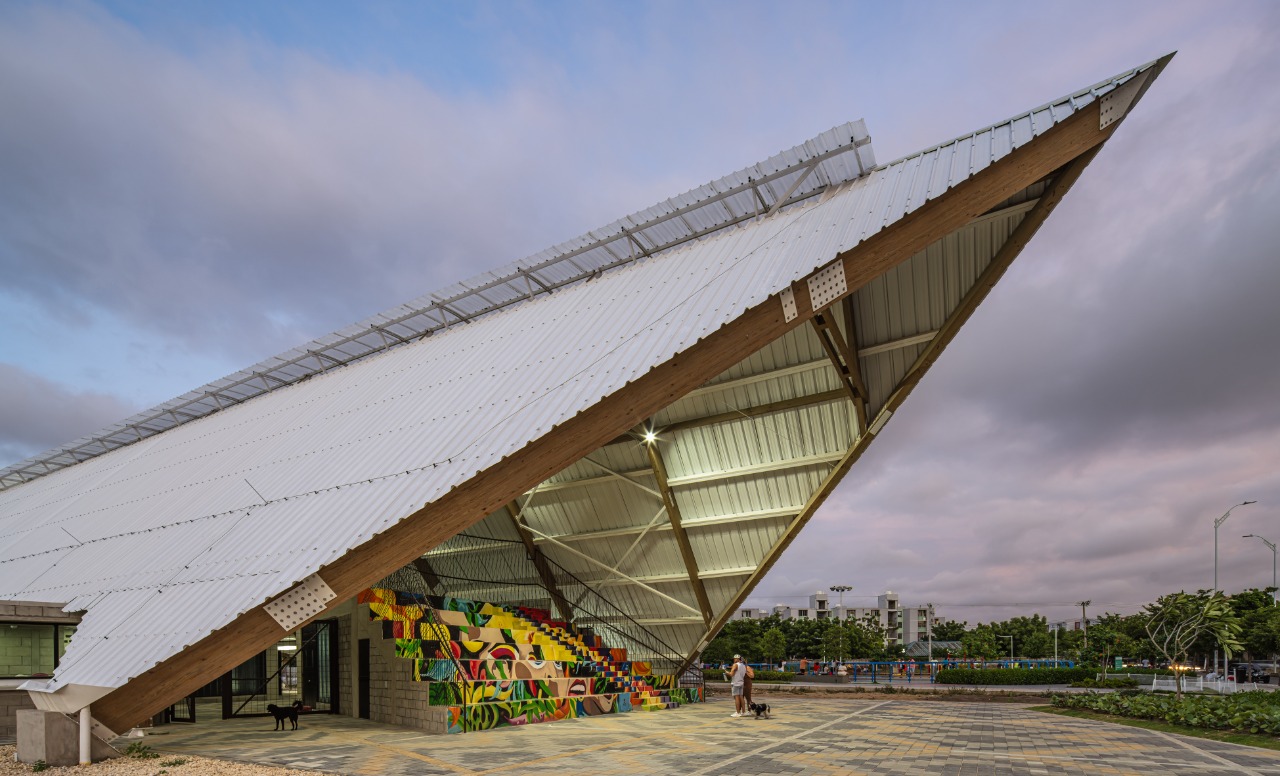
Architecturally, the project responds to Barranquilla’s hot climate through passive design strategies for shading and natural ventilation. A large continuous roof improves thermal comfort while reducing energy consumption. The laminated timber structure, the largest manufactured in Colombia, enables a lightweight and efficient construction with a low carbon footprint, supporting the emerging national timber industry.
Integrated into a green corridor and a network of public facilities, the Cultural Center Villas de San Pablo acts as a social, environmental, and economic catalyst. It strengthens creative economies linked to the Carnival, preserves cultural memory, and consolidates a replicable model in which culture drives equity, inclusion, resilience, and sustainable urban development.
Urban Transformation Program Colombia: ETH Zurich / Urban-Think Tank_next / UPB Medellín / Santo Domingo Foundation / SECO

The Urban Transformation Program Colombia (UTPC) is an initiative of ETH Zurich / Urban-Think Tank_next aimed at implementing innovative prototypes and facilitating knowledge transfer to promote sustainable urban growth and social justice through cultural and educational spaces.
The UTPC is an international cooperation platform involving local universities (UPB Medellín and UniNorte Barranquilla), governmental actors (with the support of the Swiss Government / SECO), and local municipalities, with vulnerable communities at its center.
This prototype is the third implemented project developed in collaboration with the Santo Domingo Foundation, developer of the Megabarrio Villas de San Pablo (Barranquilla), driven by the following principles:
• Spatial designs adapted to community dynamics and social interaction
• Architectural integration of local cultural identity
• Flexible, multifunctional spaces focused on arts education
• Promotion of emerging, sustainable timber industry
Project films